Ghost of Tsushima: Unveiling the Untold Stories of Tsushima’s Silent Warriors

Set against the tumultuous backdrop of the Mongol invasion of Japan, “Ghost of Tsushima” emerges not only as a resonant action-adventure game but also as a profound narrative experience delving into the nuanced legacy of Tsushima’s silent warriors. Much has been chronicled about this historic confrontation, yet the subtle tales of those who stealthily wove through the shadows of this ferocious epoch remain mostly obscured. In this exploration, we aim to unveil the layers of these untold stories that resonate within the folds of Tsushima’s complex history.
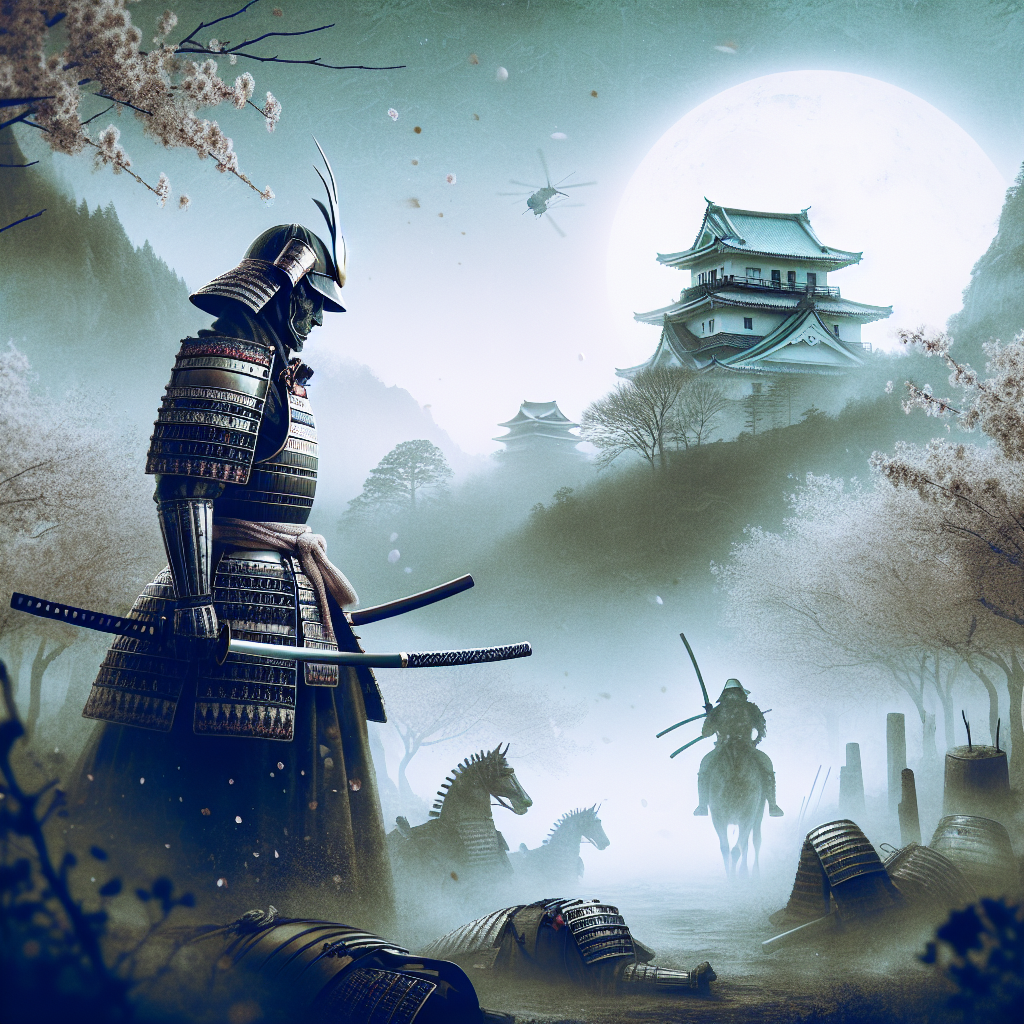
Central to the narrative is Jin Sakai, a samurai warrior whose journey from staunch traditionalist to the elusive “Ghost” epitomizes the struggle and transformation that characterize many warriors during this era. Jin’s internal conflict mirrors broader ideological shifts as rigid adherence to the samurai code, Bushido, clashes with the unorthodox methods necessary for survival against the superior Mongol forces. This dichotomy between honor and necessity is expertly woven into the game’s mechanics, reflecting broader historical tensions about honor-bound warriors facing extinction against adaptable mercenaries and insurgents.
Historians often highlight that the Mongol invasions prompted a harsh re-evaluation of the samurai identity. Jin’s transition underscores this critical evolution—though a fictionalized narrative, it speaks volumes about the perseverance and adaptability of Tsushima’s defenders. The real-life warriors of Tsushima, akin to Jin, likely faced similar moral dilemmas. They were compelled either to adhere to established martial traditions or to embrace guerrilla warfare tactics—a choice that could mean the difference between survival and annihilation.
The island of Tsushima, centrally positioned between Japan and the Korean Peninsula, served as a critical point of cultural and commercial exchange long before the Mongol onslaught. As such, the local samurai had developed skills and tactics that were a melange of indigenous and foreign influences. These composite techniques were frequently overshadowed by mainstream narratives that favored linear, honorable confrontations typical of mainland samurai warfare. This broad cultural tapestry is subtly yet expertly captured in the game’s vivid depiction of Tsushima, a land where the environment itself is a pivotal storyteller. Lush forests, sweeping coastlines, and awe-inspiring shrines paint a vivid backdrop for the tales of warriors who, despite lacking formal recognition, played an indelible role in resisting foreign domination.
Diversifying the narrative landscape are the stories of Tsushima’s non-samurai warriors—artisans, villagers, and even bandits who joined the resistance. These combatants embraced tactics akin to those Jin adopts, leveraging their awareness of local terrain, subversive alliances, and unconventional weaponry. Such inclusivity of the broader populace in the defense campaign highlights an egalitarian aspect often sidelined in conventional historiography, thereby enriching the narrative with socio-cultural depth. Their contribution underscores the pivotal role of communal resistance, an element crucial for understanding the complete tapestry of resistance during the Mongol invasions.
While jinete tactics and direct combat capture public imagination, it is the understated contributions of silent warriors—characters like Yuna, a thief with unparalleled acumen for survival and adaptation—that illuminate neglected corridors of this historical saga. Their stories of personal sacrifice and cunning maneuvers resonate with longstanding Japanese tales of ronin warriors, masterless figures navigating complex socio-political landscapes. These narratives amplify the game’s depiction of a population not as passive victims but as active resistors shaping their destiny through collective ingenuity and tenacity.
The mythical allure of ninjas also finds a place within this historical retelling. Often romanticized or relegated to folklore, historical ninjas were, in essence, operators of clandestine warfare, deeply skilled in espionage, sabotage, and guerrilla tactics. Although Jin Sakai does not become a ninja in literal terms, his adaptation of ninjutsu-like strategies echoes philosophical parallels with these stealth operatives. The historical counterpart of such fighters likely existed among Tsushima’s warriors, creating a pragmatic fusion of intelligence gathering and unconventional combat techniques against a formidable enemy.
In striking a balance between historical realism and creative narrative, “Ghost of Tsushima” gives voice to the otherwise muted echoes of these silent warriors. Through engrossing side quests and dynamic character interactions, the game expands the understanding of wartime resistance beyond the main battlefield. Each tale, whether through soulful haiku, poignant side missions, or the haunting melodies of traditional Japanese instruments, reveals layers of personal and collective fortitude emblematic of all those who called Tsushima their home.
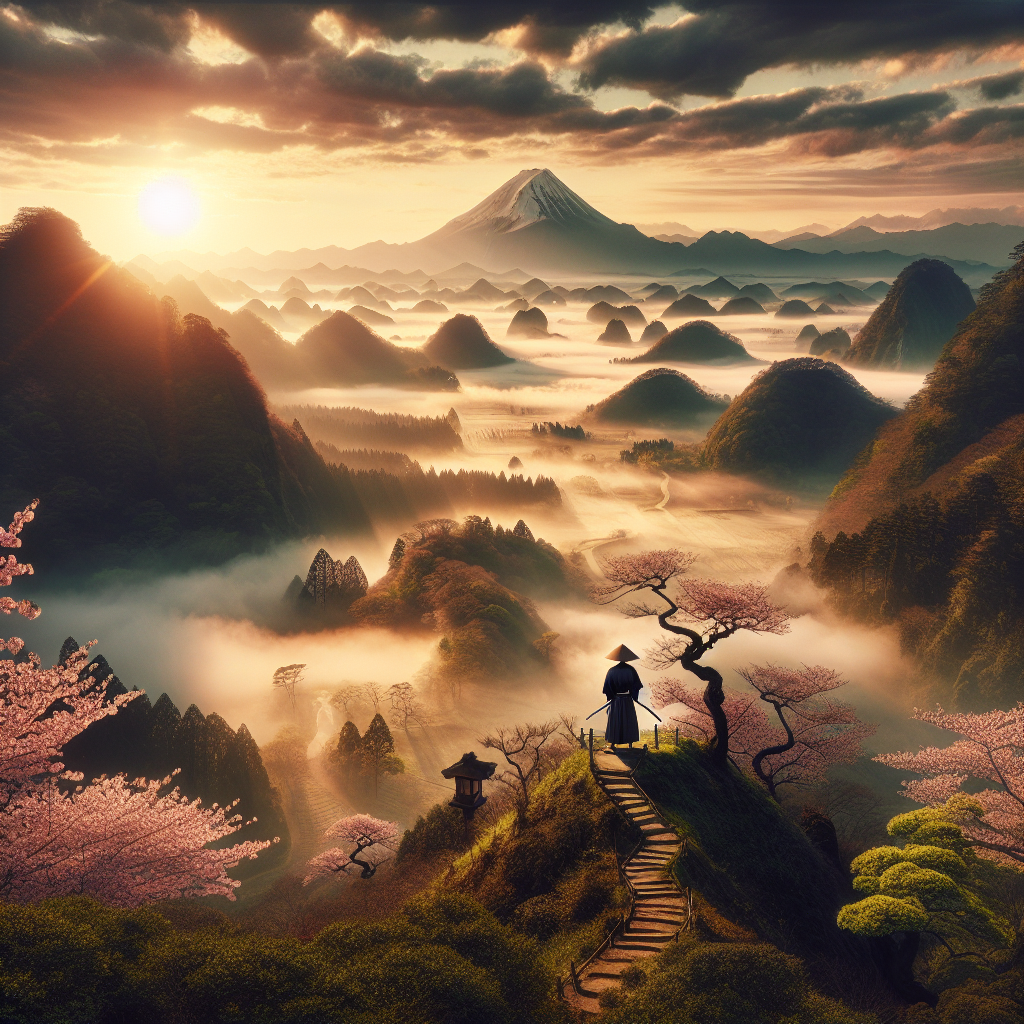
The natural environment—storm-laden skies, rustling forests, and tranquil shrine paths—act as silent witnesses to this indomitable spirit, inviting introspection about the interconnected web of nature, courage, and legacy. In this setting, the very land is alive, tracing the contours of numerous unsung stories interlaced with the winds and the whispers of those who fought against overwhelming odds.
Modern reinterpretations like “Ghost of Tsushima” encourage ongoing discussions about the historical narratives we consume, urging deep dives into overlooked perspectives. By engaging with these untold stories, players gain not only enjoyment but educational insight into the life-and-death dilemmas that shaped an era. This offers a potent reminder that the legacies of Tsushima’s silent warriors endure, echoing through history’s uncharted corridors and into the realms of modern storytelling.








Post Comment