Understanding the Meta: League of Legends in the Current Season
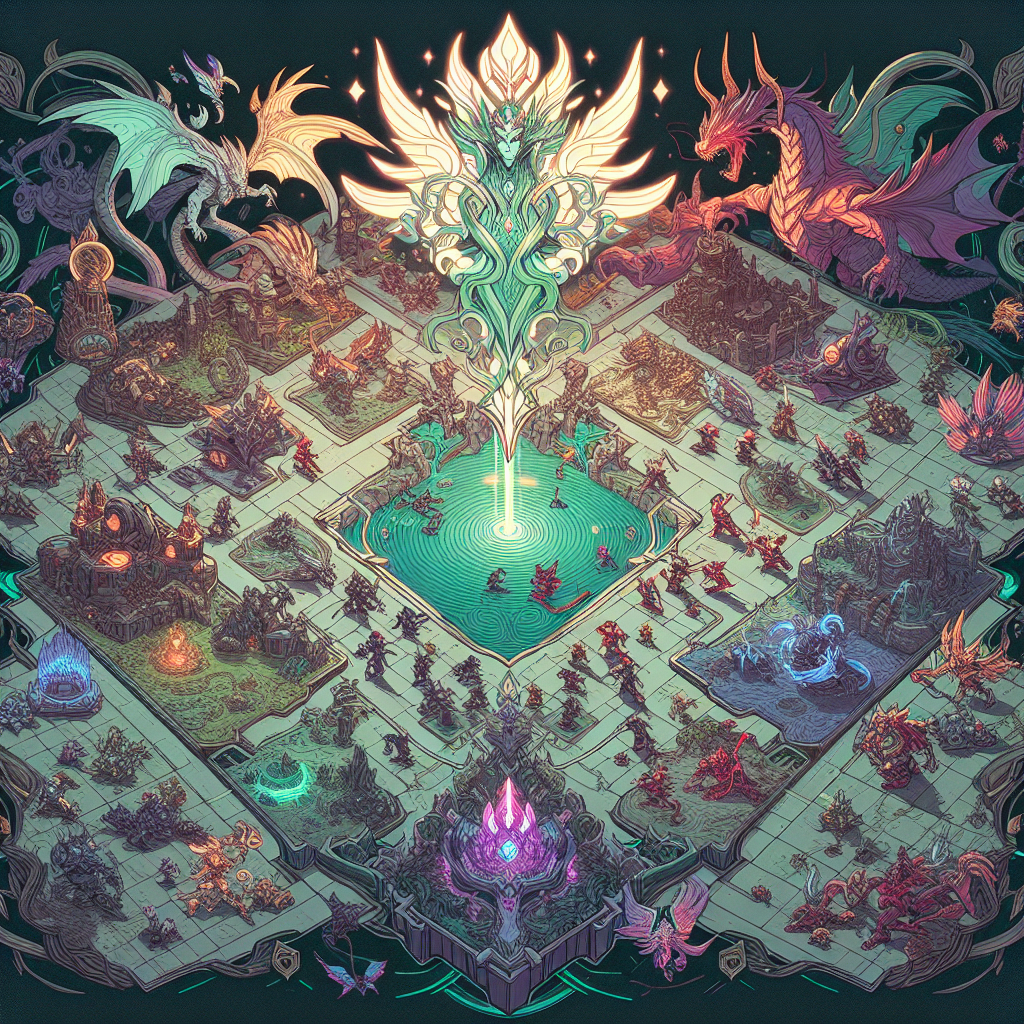
The Evolving Meta of League of Legends: A Guide for the Current Season
League of Legends, developed by Riot Games, consistently stands as a paragon of strategic gaming, captivating millions of players worldwide with its intricate dynamics and competitiveness. With each new season, the “meta” or “most effective tactics available” in the game shifts, driven by changes in champion abilities, item reworks, and balance updates. Understanding the current meta is not only essential for professional players but also for casual gamers aiming to climb the ranks.
Champion Selection: The Core of the Meta
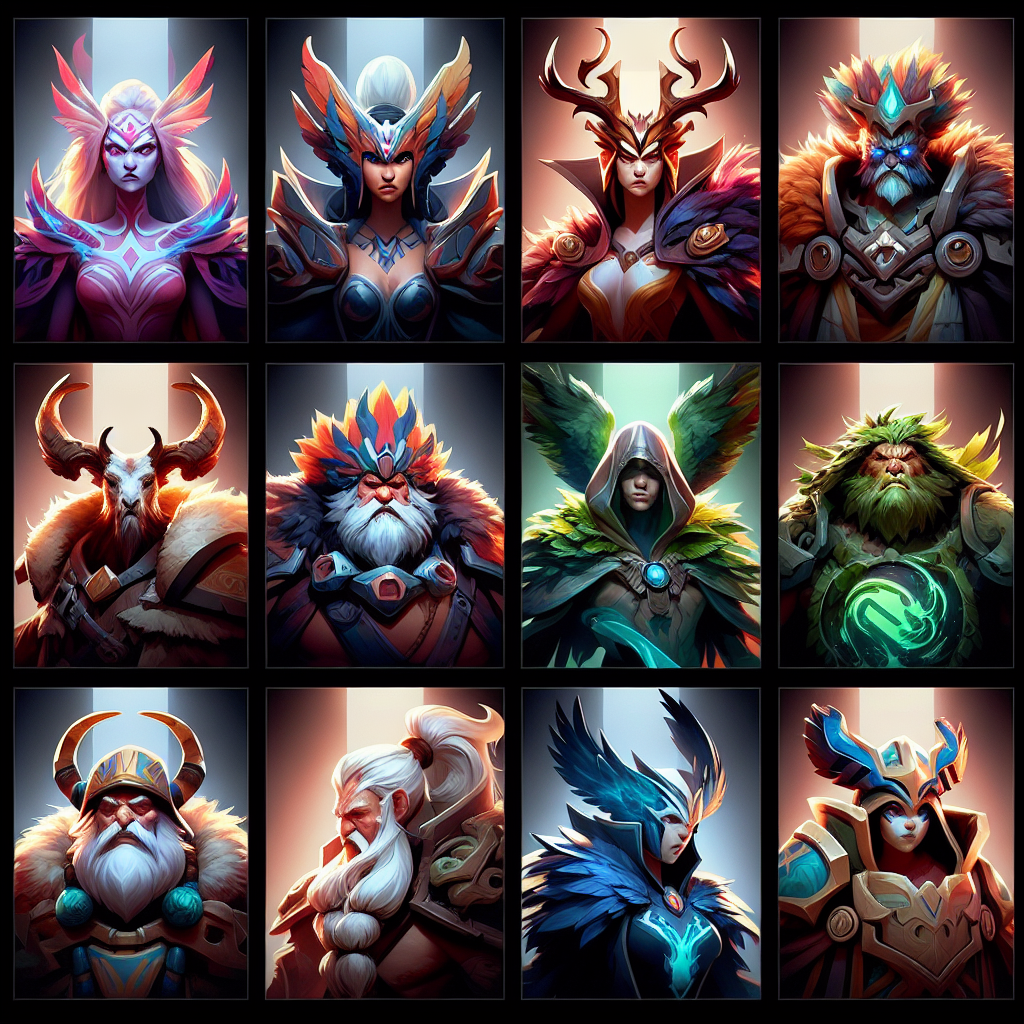
Champion selection dictates much of the meta’s flow in League of Legends. In the current season, a diverse range of champions populates the tiers, shaped by the latest patch updates. The jungle role has witnessed increased prominence with champions like Nidalee and Graves, whose mobility and damage output bolster control over objectives. Meanwhile, in mid-lane, scaling mages like Azir and hyper-aggressive picks like LeBlanc are favored for their ability to exert early pressure and scale into potent threats.
The top lane often showcases a mix of tanks and bruisers. Champions such as Sion and Camille remain popular due to their resilience and split-pushing capabilities. Bot lane dynamics frequently feature marksmen like Aphelios and Kai’Sa, whose adaptive playstyle and synergy with prevalent support picks like Leona or Lulu provide a strong team-fighting presence and sustainable damage potential.
Itemization Trends in the Current Meta
Itemization remains a crucial aspect of understanding the meta, as the power of champions is significantly enhanced or diminished based on in-game purchases. The rework of certain items this season has given rise to new build paths. Mythic items, such as Galeforce for AD carries, offer mobility, while tank items like Sunfire Aegis provide added durability and enhanced resistance in sustained engagements. The emergence of anti-tank options, such as the newly tweaked Kraken Slayer, has shifted some late-game dynamics, encouraging faster team fights and power spikes.
In particular, enchanters and supporters benefit from the current meta favoring Moonstone Renewer and Staff of Flowing Water. These items augment healing and shielding, aligning well with champions who can spam abilities to keep their allies sustained during prolonged battles.
Evolving Strategies: Objective Control and Map Awareness
With each season, the shift in meta translates into altered strategic priorities during the game. Objective control, primarily around dragon and Baron Nashor, has increasingly become a focal point. Teams that effectively manage vision and map awareness can secure these vital neutral objectives, gaining tangible benefits through buffs that facilitate sieging, team fights, and overall map dominance.
The introduction of Dragon Soul rewards for securing four drakes adds an imperative layer to strategic planning. It compels teams to gather early dragon control, creating an overarching objective that shapes the pacing and decision-making throughout the match. As a result, prioritizing jungle paths, vision placements through control wards, and rotation timings form the backbone of winning strategies.
Adaptation and Flexibility: Hallmarks of Success
Recognizing the fluidity of the meta is crucial; as new patches and champions are introduced, flexibility remains a centerpiece for success. Players who broaden their understanding and proficiency across multiple champions and roles can more readily adjust to evolving dynamics, maintaining relevance across fluctuations in power levels within the champion pool.
For example, solo queue players benefit from mastering both meta and off-meta champions to counter opponents and exploit favorable matchups. Even within professional play, adaptability in drafting phases can secure an advantage. Teams that have demonstrated agility in selection and playstyle have often managed to outmaneuver less versatile opponents, showcasing the profundity of understanding game-wide trends and their impact.
The Social Aspect of the Meta: Community and Communication
The meta isn’t solely dictated by numbers; community perception and discussions significantly influence it, contributing to shifts in tactical preferences and champion popularity. Platforms like Reddit, Twitter, and Riot’s own forums host vibrant discussions, helping elevate certain strategies as mainstream or labeling them as sleeper picks that can counter the meta’s forefront.
In team environments, communication remains paramount. Effective communication can amplify strategic synergy, ensuring that adapting to and executing the current meta’s strategies is seamless. Building trust and cooperation among teammates are often as valuable as mechanical skill, as cohesive teams can pivot and react faster to the demands of the changing meta.
Impact of Professional Play on the Meta
Professional leagues, such as the LCS, LEC, and LCK, stand as archetypes from which meta adaptations often trickle down to the general player base. The champions and strategies that dominate these professional stages typically influence broader casual pick rates and styles. Pros frequently pioneer innovative builds and compositions that redefine previously held beliefs about champions’ capabilities and game strategies.
Watching professional gameplay offers valuable insights into the meta, showcasing how top-tier teams prioritize objectives, coordinate map movements, and initiate engagements. Emulating these strategies, while tailoring them to individual skill levels and solo queue environments, can offer significant advantages.
Tools and Resources: Elevating Your Meta Understanding
In an ever-shifting meta landscape, leveraging various tools can aid in staying updated and optimizing gameplay. Online resources such as tier lists, patch notes, and gameplay analytics guide players through the latest changes, offering essential information on champion win rates, optimal item builds, and counter-strategies.
Content creators and streamers also play an instrumental role by providing gameplay demonstrations and in-depth discussions about the current state of the game. Learning from their experiences and incorporating advanced techniques and insights can accelerate understanding and adaptability.
Meta Dynamics and Esports: A Symbiotic Evolution
The intimately interconnected evolution of the game’s meta and the esports scene highlights the symbiotic relationship between top-level play and game development. Riot Games consistently tailors balance changes with both casual and competitive audiences in mind, setting the stage for ever-changing dynamics.
Event-specific metas emerge during major tournaments, where the pressure-cooker environment reveals trends that migrate into standard play. By understanding these nuances, players can sharpen their strategic focus and anticipate shifts, thus gaining competitive edges before widespread adoption at the general audience level.
Concluding Thoughts on Meta Navigation
The meta of League of Legends in the current season reflects the intrinsic complexity of balancing the game’s diverse elements. From champion viability to itemization intricacies, the current strategies owe their formation to the evolving synergy between player innovation, developer input, and community interaction. Navigating this landscape requires continuous learning and adaptation—a hallmark not only of League of Legends but of any dynamic gaming universe where the pursuit of mastery resides at its core.












Post Comment