Uncharted 4: A Thief’s End’s Legacy in the Franchise
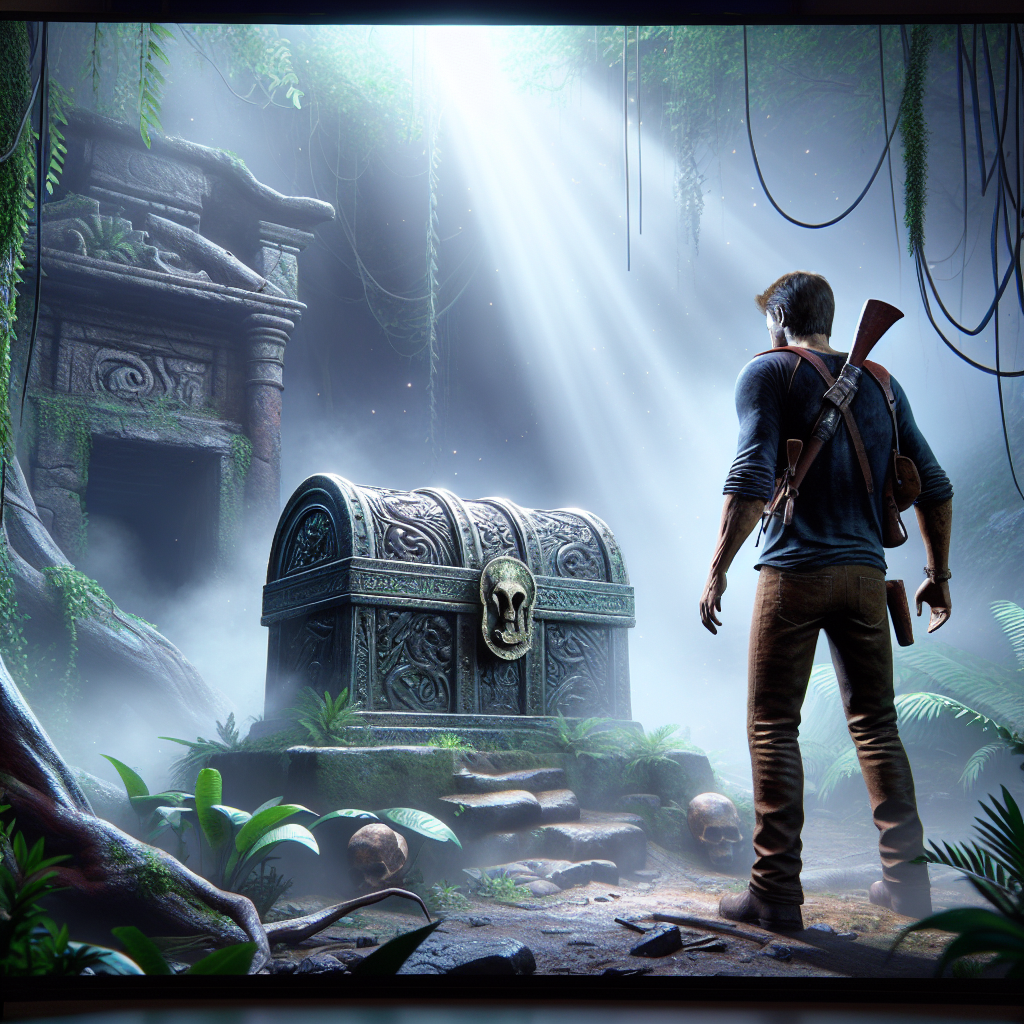
Uncharted 4: A Thief’s End marked a pivotal moment in the critically acclaimed Uncharted series developed by Naughty Dog. Released in 2016 to widespread acclaim, the game set new standards for storytelling, character development, and technical achievement within the action-adventure genre. As the fourth main installment and the conclusion to Nathan Drake’s story, it played a crucial role in shaping the franchise’s legacy.
The storytelling in Uncharted 4 elevated the narrative complexity and emotional depth of the series. It focused on Nathan Drake’s internal conflict, exploring themes of adventure, family, and legacy. Unlike previous entries that leaned heavily into the swashbuckling adventures reminiscent of pulp action stories, A Thief’s End infused a sense of maturity. The narrative introduced new character dynamics, notably between Nathan and his long-lost brother, Sam Drake. This relationship added layers to Nathan’s character, enriching the players’ understanding of his motivations and personal history. The theme of brotherhood was pivotal, with flashbacks that provided a deeper look into Nathan’s past, effectively connecting players to the protagonist’s journey on a more intimate level.
The character development seen in Uncharted 4 is one of its significant contributions to the franchise. The growth of Nathan Drake, transitioning from a treasure hunter with a boyish charm and reckless abandon to a more contemplative figure weighing his family responsibilities, demonstrated a refined storytelling craft. The game also spotlighted supporting characters like Elena Fisher, whose journey was crucial in reflecting personal sacrifices and the real-life implications of Nathan’s adventurous lifestyle. This level of character focus and development brought a new emotional resonance not just to the game, but to the franchise as a whole.
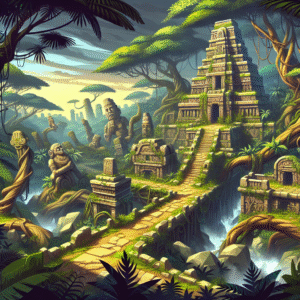
Visually, Uncharted 4 set a benchmark for graphics and animation in video games. The level of detail in environments, from lush jungles to urban landscapes, was breathtaking, showcasing the power of the PlayStation 4 hardware. This attention to detail was not only a technical achievement but also served the narrative by creating immersive worlds that were integral to the story’s unfolding. The work of Naughty Dog’s art design and animation teams ensured that every scene was both a visual marvel and a narrative tool, establishing a standard that would influence future titles in the action-adventure genre.
Gameplay mechanics saw a noticeable refinement with the introduction of new elements. The addition of a grappling hook not only provided more verticality in exploration and combat but also tied into Nathan’s archetype as a swashbuckling adventurer. Stealth elements were improved, offering players more tactical options during encounters and contributing to a more nuanced gaming experience. These mechanics broadened the scope of player interaction and engagement, setting new expectations for gameplay fluidity in the franchise.
Multiplayer was another aspect where Uncharted 4 excelled, building upon the successes of its predecessors with a more robust offering. It delivered competitive and cooperative modes that encouraged strategic teamwork and skillful play. The multiplayer component received post-launch support with new maps, modes, and characters, which helped build a sustained community around the game, significantly extending its lifespan and impact.
The game’s sound design and musical score, led by composer Henry Jackman, contributed significantly to the immersive experience. The soundtrack harmonized perfectly with the story, enhancing emotional beats and action sequences. This synergy between sound and story served as a hallmark for the attention to detail that Naughty Dog invested into the game, further solidifying Uncharted 4’s place in gaming history.
A Thief’s End also left a lasting legacy through its narrative inclusivity and representation. The cast was notably diverse, with complex characters from various backgrounds. Critics and players praised the game for moving the series forward in terms of representation, showcasing that a blockbuster title could balance character inclusivity with mainstream appeal.
Digitally, the game was a massive success, selling over 15 million copies worldwide, a testament to its widespread appeal and critical acclaim. Its commercial success ensured the Uncharted franchise’s vitality in the market, influencing Sony’s strategic decisions about future developments and adaptations. In a broader context, Uncharted 4’s achievement demonstrated the potential narrative depth and character engagement possible in video games, encouraging other developers to aspire to similar storytelling heights.
The game’s influence extended beyond gaming into other media, serving as a basis for discussions about film adaptations that culminated in the release of the Uncharted movie. Uncharted 4’s well-crafted narrative and cinematic presentation made it ripe for adaptation, proving that the storytelling ambitions of video games are well-suited for transmedia exploration.
Moreover, Uncharted 4’s legacy includes its influence on industry standards for digital storytelling and character depiction. The game’s balance of compelling character arcs, technical prowess, innovative gameplay, and narrative depth inspired developers and set a new template for flagship gaming titles. This impact is evident in how subsequent action-adventure games, even outside the Uncharted series, have evolved in terms of narrative ambition and character development.
Digitally preserved through remasters and continued sales models, its legacy resonates with both long-time fans and new audiences discovering the series for the first time. A Thief’s End did more than conclude Nathan Drake’s journey; it redefined what fans and creators expected from storytelling within interactive media, ensuring the Uncharted franchise remains an iconic cultural and entertainment milestone in the gaming landscape.







Post Comment