Uncharted 4: A Thief’s End and Its Groundbreaking Storytelling
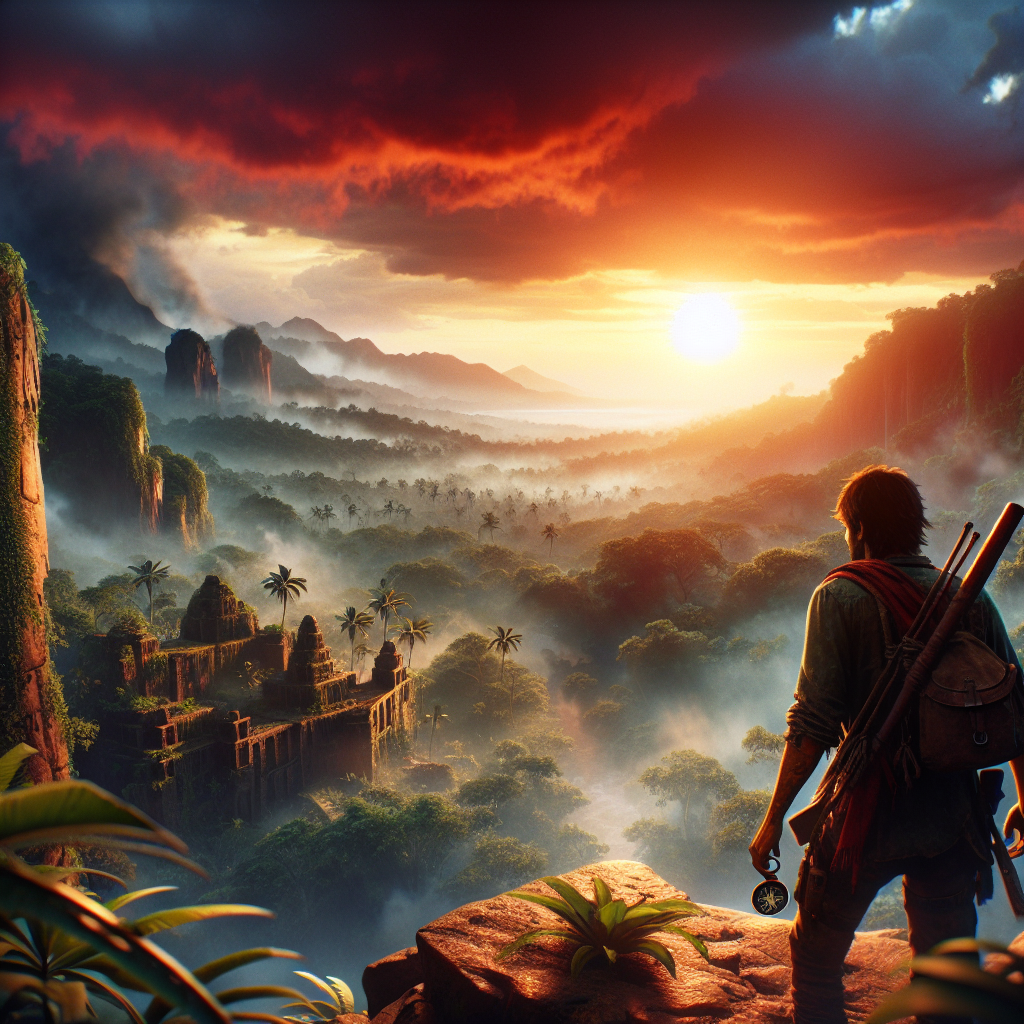
Uncharted 4: A Thief’s End remains one of the most celebrated titles in the pantheon of video games, thanks to its groundbreaking storytelling and cinematic depth. Released in 2016 by Naughty Dog, a studio renowned for its narrative-driven games, Uncharted 4 pushes the boundaries of what video game storytelling can achieve, blending Hollywood-caliber action with deeply human and relatable themes. This exploration aims to meticulously dissect how Uncharted 4 achieved this groundbreaking storytelling success.
Uncharted 4’s narrative elegance lies in its characterization and meticulous attention to detail. The game follows Nathan Drake, a relatable protagonist who is more than just an archetype of a daring adventurer. Across the series, Drake is portrayed as a nuanced character with real emotions, flaws, and depth. In Uncharted 4, this depth is explored further as players are introduced to his intricate backstory, including his relationship with his long-lost brother, Sam. Through expertly crafted dialogues and cutscenes, we witness a profound brotherhood that drives the plot forward. The authenticity of this relationship enhances player engagement, creating a narrative that feels genuine and lived-in.
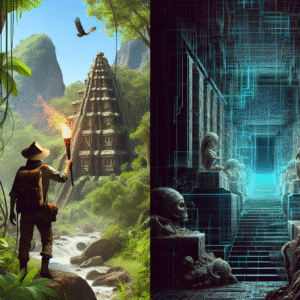
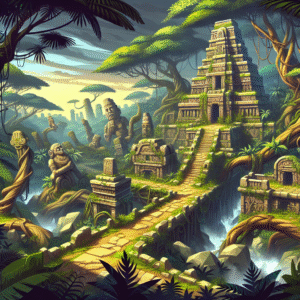
Naughty Dog excels in using environmental storytelling, a technique where the environment itself narrates part of the story. In Uncharted 4, every scene is meticulously crafted to serve as a narrative device. The environment is not just a backdrop but a character in its own right, reflecting the emotional state of the characters and the stakes of their adventure. Whether Drake is exploring forgotten pirate strongholds or lush tropical landscapes, each setting unfolds layers of backstory and hints at the characters’ emotional journeys. The abandoned pirate paradise of Libertalia stands out as a poignant reminder of ambition and betrayal, paralleling the evolving dynamics among the characters.
Moreover, Uncharted 4 succeeds in balancing high-octane action sequences with moments of introspection, a feature that many games struggle to achieve. This delicate balance keeps players deeply engaged. High-stakes treasure hunts and perilous expeditions are interspersed with sobering moments. One such moment is a beautifully rendered epilogue, which presents a reflective view of Nathan Drake’s life beyond adventure. By doing so, the narrative engineers a storytelling rhythm that includes peaks of excitement and valleys of introspection, mirroring the unpredictable journey of life itself.
The technological advancements utilized in Uncharted 4 cannot be overlooked when discussing its narrative prowess. Naughty Dog employed cutting-edge motion capture technology to render lifelike performances that convey nuanced emotions. The facial expressions and body language of characters are so lifelike that players can infer characters’ thoughts and feelings even in the absence of dialogue. This attention to detail creates an immersion hitherto unseen in gaming, drawing players deeply into the world and its stories.
The voice acting in Uncharted 4 is another noteworthy aspect. Performers such as Nolan North and Troy Baker bring palpable life to their characters, ensuring that every interaction, whether lighthearted banter or intense confrontation, is both believable and impactful. The voice actors’ performances are intricately interwoven with the script, delivering lines with such authenticity that players may forget they are witnessing fictional characters.
Uncharted 4 is noteworthy for tackling themes not often explored in action-adventure games. Concepts such as the intricacies of familial bonds, the morality of thievery, and the consequences of obsession are weaved intricately into the storyline. While the search for a mythical pirate city and its fabled treasure drives the plot, it’s the personal struggles and emotional journeys of the characters that leave a lasting impression on players. The game challenges players to ponder complex questions about sacrifice, legacy, and the true cost of pursuing one’s dreams.
Interactivity, a unique aspect of gaming, is harnessed brilliantly in Uncharted 4’s storytelling. Players are not passive observers but active participants in Nathan Drake’s story. Simple actions, such as choosing dialogue options, solving intricate puzzles, or exploring seemingly mundane objects in the environment, contribute to a larger narrative tapestry. This interactivity fosters a profound connection between players and the story, as they feel responsible for shaping the outcomes and experiences of the characters.
The pacing of Uncharted 4 is also a masterclass in storytelling, allowing events to unfold at a deliberate speed that hones tension and anticipation. Whether players are stealthily navigating enemy terrains or engaged in pulse-pounding chases, the game’s pacing ensures that there’s never a dull moment. Yet, it never feels rushed. Transitioning smoothly between action-packed sequences and story-driven cutscenes, the pacing contributes to an experience that feels cohesive and seamless.
Attention to small details reveals the storytelling brilliance in Uncharted 4. The game is peppered with Easter eggs and subtle nods to previous entries in the series, providing a sense of continuity and reward for longtime fans. Furthermore, optional dialogues and hidden journal entries unveil layers of storytelling that enrich one’s understanding of the characters and their motivations. Collectibles scattered throughout the world serve a dual purpose, acting as both a gameplay mechanic and a narrative tool that elucidates backstory and world-building.
Uncharted 4 harnesses the power of contrast to ennoble its storytelling. Light-hearted humor and camaraderie counterbalance the adventure’s darker moments, creating a rollercoaster of emotions for the player. Scenes of comic relief and witty exchanges add levity, enhancing the relatability of the characters and the authenticity of their relationships. This juxtaposition amplifies the emotional stakes, allowing the audience to breathe in between moments of high drama and tension.
Graphically, Uncharted 4 stands as a sterling example of how visual fidelity can bolster storytelling. The lush, photo-realistic environments, rendered with stunning attention to detail, enhance the narrative experience. Players can almost feel the grains of sand on a Caribbean beach or the humidity of a dense jungle, fully immersing them in Nathan Drake’s epic journey. These graphical accomplishments are not mere aesthetic achievements but integral components of storytelling that elevate immersion and emotional impact.
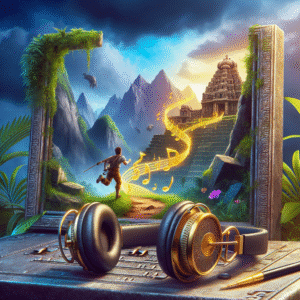
A crucial element of the game’s storytelling resides in its score, composed by Henry Jackman. The music in Uncharted 4 underscores the emotional ebb and flow of the story, subtly enhancing the narrative without overpowering it. Melodic themes are deftly tied to characters and events, evoking feelings of nostalgia, tension, and triumph that mirror Drake’s journey. The score follows players through the highs and lows of the narrative, making it a silent, yet potent character in its own right.
Collaboration is another fundamental pillar of storytelling evident throughout Uncharted 4. The dynamic between Nathan and his companions, especially Sam, Elena, and Sully, drives the narrative forward. Their teamwork is not only crucial for overcoming physical challenges but also serves as a metaphor for overcoming personal and emotional barriers. The dialogue and interactions between these characters expose layers of personality and history, fostering a sense of ensemble storytelling where every character adds a vital piece to the narrative puzzle.
One could analyze Uncharted 4’s narrative success by examining its culmination of thematic, character-driven, and environmental storytelling elements. Each facet, from richly developed characters and cutting-edge technology to dynamic pacing, humor, and an evocative score, coalesces to forge an unparalleled narrative experience. Uncharted 4 doesn’t just tell a story; it invites players into a world teeming with adventure, emotion, and introspection, leaving a profound impact that lingers long after the final credits roll.






Post Comment