The Social Dynamics of Playing Ludo King Online
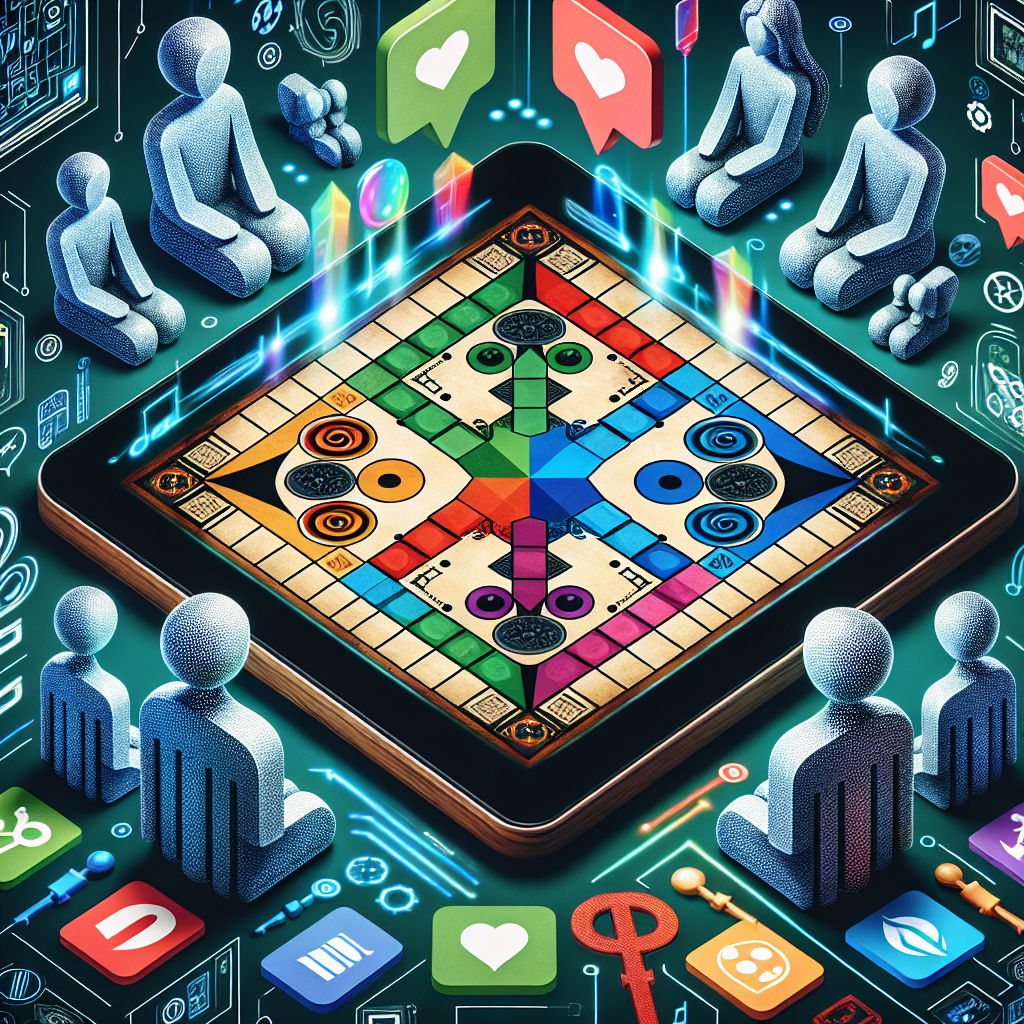
The Rise of Ludo King: A Digital Reinvention of a Classic Game
Ludo King has become a quintessential online gaming platform, amassing a huge user base by digitizing the classic board game Ludo. This game, rooted in India’s history, has found new life online, attracting players of all ages globally. The digital adaptation offers convenience and accessibility, elements crucial for its widespread appeal and social dynamics.
Psychological Triggers Driving Engagement
Ludo King cleverly leverages psychological elements such as nostalgia, competition, and reward systems. The game taps into childhood memories, drawing players back into the comfort and familiarity of past experiences. In contrast, the competitive nature of the game fuels ambitions and drives engagement, offering both in-game rewards and social recognition. This psychological blend is potent, turning casual users into regular players and further forming communities and social circles around the platform.
Social Connectivity and Interaction
At its core, Ludo King promotes interaction, whether between friends, family, or strangers. COVID-19 heightened this need for connection when physical interactions were limited. The in-game chat and voice features offer players the chance to socialize, strategize, and even engage in light-hearted banter. This aspect of connectivity is significant, serving both as a tool for socialization and a playful arena for strengthening relationships within and beyond established networks.
The Role of Technology in Bridging Distances
Technology fundamentally enhances Ludo King’s social component by facilitating real-time interactions across vast distances. High-speed internet and smartphone proliferation have ensured that players, regardless of geographical separation, can play simultaneously. This connectivity has led to international friendships, cross-cultural exchanges, and even fostered a sense of global community.
Competitive Social Dynamics
Ludo King’s ranking system and leaderboards heighten competitive dynamics by providing players with status symbols and tangible goals. As players climb the leaderboard, their achievements earn them bragging rights within their social circles. This system not only encourages skill development and strategic planning but also facilitates a form of healthy competition, nurturing both individual and group dynamics within the gaming community.
Virtual Economies and In-Game Purchases
Ludo King has introduced virtual economies where players can purchase in-game currency, bonuses, or aesthetic enhancements. This adds an additional layer to social dynamics as gifted items can strengthen alliances and virtual wealth may alter player interactions. These purchases may serve as social currency, enhancing one’s status or facilitating direct competitive advantages.
Gender and Social Play: A Balancing Act
Interestingly, Ludo King showcases a balanced gender participation rarely seen in online gaming. It provides a non-threatening entry point for those who might be intimidated by typical fast-paced or violent games. Female players often report feeling equally competitive and capable, indicating that Ludo King offers an inclusive space conducive to varied social interactions.
Building Cognitive and Emotional Skills
While Ludo King is a source of entertainment, it also aids in developing cognitive functions and emotional skills. The strategic element of the game necessitates forethought and planning. Additionally, players must learn to manage emotions such as frustration and elation, equivalent to real-life social interactions, fostering emotional intelligence over time.
Social Stratification and User Demographics
Ludo King attracts a diverse range of players cutting across age, social status, and global cultures. However, it’s worth noting that social stratification manifests in how different demographics utilize the game. Younger players often seek competition and skill enhancement, while older demographics might view it as a social tool for maintaining contact with dispersed family members.
The Dark Side of Social Gaming
Despite its benefits, the game isn’t exempt from challenges. Social accountability can sometimes spiral into online bullying or manipulation, and given the game’s competitive nature, some players might experience anxiety or addiction. Awareness and moderation are keys to mitigating such issues, ensuring the game remains an inclusive social platform.
The Educational Potential of Ludo King in Social Contexts
Educational institutions and psychologists have also started leveraging games like Ludo King for learning purposes. The game’s elements teach mathematics, strategic thinking, and probability, with educators exploring its potential in classroom settings. Furthermore, the safe and familiar environment of Ludo King can be an excellent tool for social learning, helping children manage wins or losses gracefully.
The Future of Ludo King and Social Dynamics
As Ludo King continues to evolve, it’s likely to expand its features to further amplify its social dynamics. The integration of augmented reality or the potential for educational modules could create new dimensions for user interaction and engagement. The social possibilities this game might explore could directly influence the development of future online social platforms, pioneering ways in which digital games modulate social dynamics.
Conclusion
Ludo King’s profound impact on online social dynamics signifies not just a successful game but an evolving social phenomenon. By promoting interactivity, competition, and connection, it offers a robust model showing how online platforms can harness traditional games to foster human connection in an increasingly digital world.














Post Comment