The Evolution of Graphics in Temple Run 2
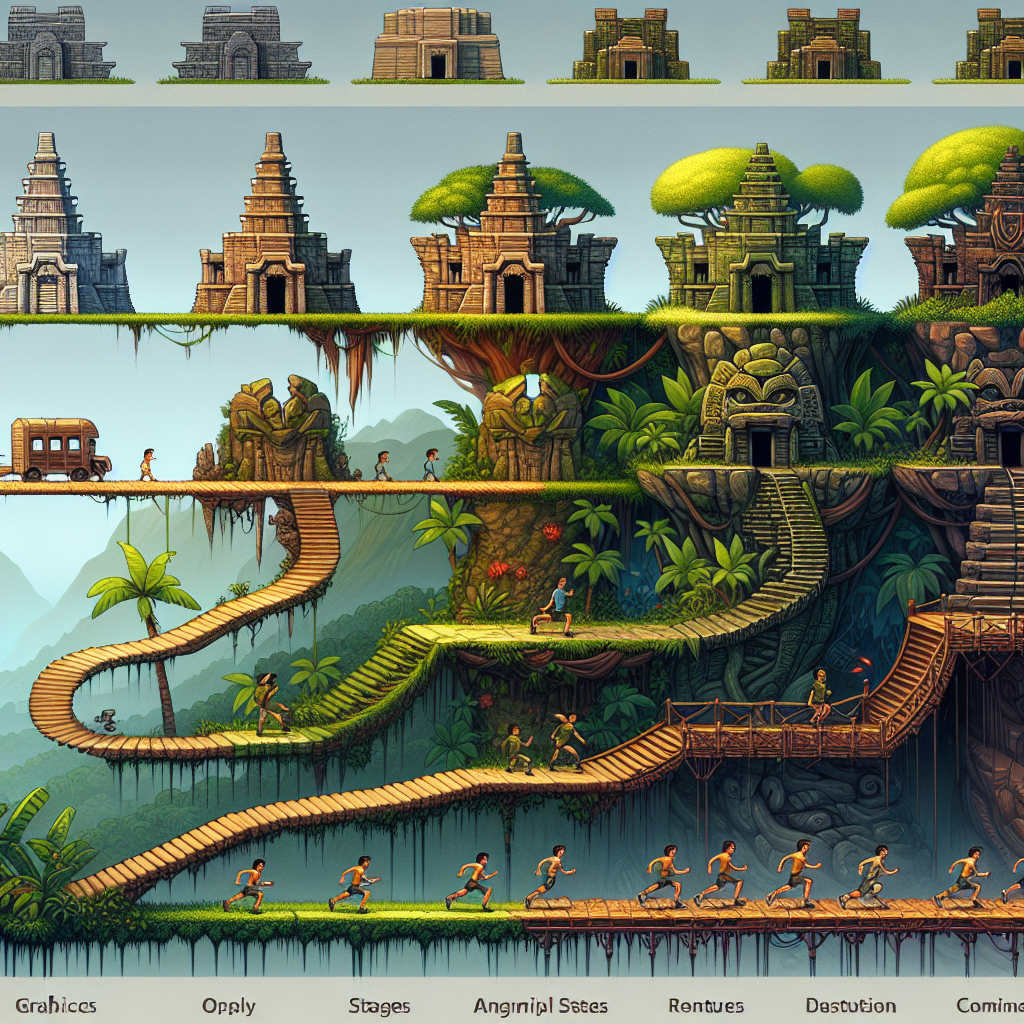
The mobile gaming industry has seen dynamic shifts over the past decade, and among its myriad of success stories, Temple Run 2 stands out as a particularly fascinating case study. Graphics have played a crucial role in its continued popularity and success. The evolution of graphics in Temple Run 2 not only reflects technological advancements but also reveals shifts in user preferences and expectations in the mobile gaming experience.
### Origins of Temple Run 2’s Graphics
When Temple Run 2 was released in January 2013, it was immediately apparent that it was designed with significant improvements over its predecessor. The original Temple Run featured relatively basic graphics, built on the Unity game engine, which was adequate for its time but not groundbreaking. However, Temple Run 2 marked a stark contrast. It offered enriched, vibrant environments that were more engaging and immersive for players. The enhanced visual fidelity was a strategic move to captivate a broader mobile audience who were beginning to expect more from their gaming experiences.
### Technological Advancements and Improved Visuals
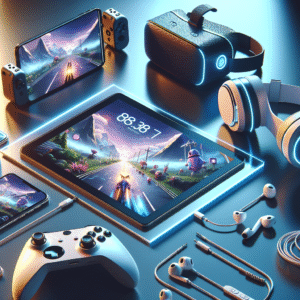
The evolution from Temple Run to Temple Run 2 coincided with advancements in mobile device hardware. Smartphones and tablets had started supporting better graphics processors, rendering more detailed and complex images possible. Developers at Imangi Studios capitalized on this by upgrading the textures, lighting, and environmental details in Temple Run 2. Players were introduced to a myriad of new terrains, including rivers, zip-lines, mine tracks, and forests, each with unique visual aesthetics that the preceding generation of devices could not have managed as smoothly. These elements significantly contributed to the longevity and ongoing appeal of the game.
### Art Style and Design
The art design in Temple Run 2 was more polished and stylistically coherent than in its predecessor. While maintaining the core theme of an endless runner set in a hazardous temple environment, designers opted for a more stylized and cartoonish approach, which appealed to a broad demographic, including younger audiences. This intentional choice reflected a shift towards more approachable and universally appealing visuals in casual gaming, contrasting with hyper-realistic graphics commonly sought after in console and PC games.
### Environmental Diversity and Animation
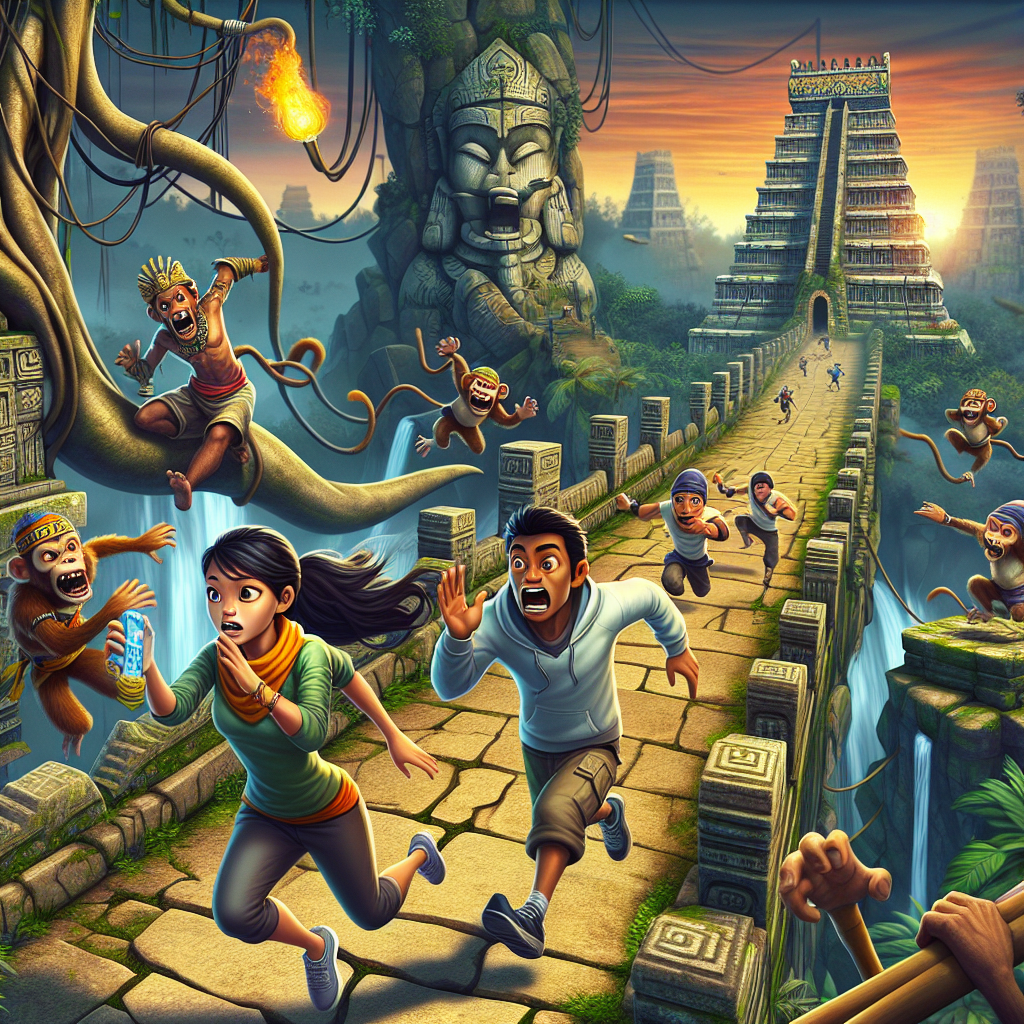
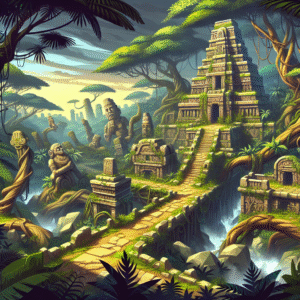
One of Temple Run 2’s significant graphical milestones was the introduction of diverse environments that broke away from the monochrome palette of the first game. Each environment within the game was intricately designed to offer unique gameplay mechanics and visual stimuli. The lush forests, for example, provided a stark contrast to the treacherous cliffs, while the dark caves added an element of suspense with their dim lighting and echoing sounds. This diversity not only kept players engaged but also showcased the capabilities of mobile graphics at the time.
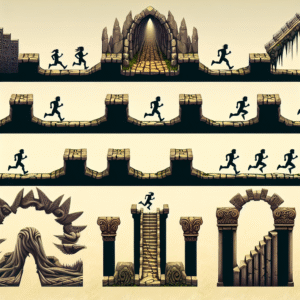
Moreover, the animations of the characters and obstacles were refined. Characters moved with a fluidity that was not possible in the first game. Obstacle animations, like the crumbling passageways and swinging logs, were more intricate and realistic, enhancing the feeling of immersion and urgency.
### Use of Color and Lighting
The color palette in Temple Run 2 was enhanced to include richer and deeper colors, which contributed to an eye-catching and enchanting gaming experience. Lighting played a vital role in setting the mood within different settings. Dynamic lighting effects, such as the play of shadows and light reflections, were employed to create more atmospheric environments. This graphical choice helped in conveying depth and dimension, vital aspects in making the endless runner format more engaging visually.
### Integration of Graphics in Gameplay
Graphics in Temple Run 2 were not just about aesthetics; they were intricately linked with gameplay mechanics. The diverse environments often presented new challenges that required players to adapt their strategies. For instance, the introduction of varying terrains and obstacles, visualized through improved graphics, compelled players to approach the game with renewed strategies. The consistency and clarity of graphic design were crucial in ensuring that players could seamlessly interpret their surroundings and react appropriately.
### Community Influence on Graphic Evolution
Player feedback and community engagement played a significant role in driving graphical updates in Temple Run 2. As the user base expanded globally, players expressed a desire for more variety and richness in the game’s visuals. Imangi Studios responded with regular updates, each introducing new themes and scenarios, such as the addition of Sky Summit and Blazing Sands, each packed with distinct graphical enhancements. These updates kept the game fresh and players engaged, a strategy that has proven successful in retaining long-term users.
### Challenges and Developments
Developing graphics for a continually evolving mobile game like Temple Run 2 involves several challenges. The developers needed to ensure compatibility across a wide range of devices with varying capabilities. This required optimizing graphics to balance performance and visual appeal. Imangi Studios managed to achieve this through selective use of graphical elements that showcased quality without compromising the gameplay experience on less powerful devices.
Moreover, as mobile display technology improved with higher resolutions and refresh rates, Temple Run 2 had to adapt its graphics to leverage these capabilities fully. Regular updates from the developers ensured that the game remained visually appealing on the latest devices while still maintaining playability on older hardware.
### Future Prospects and Innovations
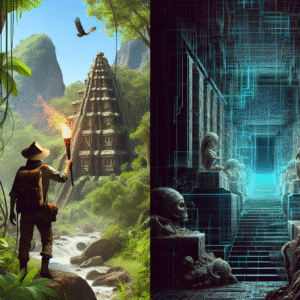
As we reflect on the evolution of Temple Run 2’s graphics, it is evident that the game is poised to embrace future technologies such as AI-assisted rendering and augmented reality features, which could further enhance its visual splendor. As mobile devices continue to close the gap with consoles in terms of graphical capability, Temple Run 2 remains a prime candidate for adopting cutting-edge technologies that can offer even more immersive and visually stunning experiences.
In conclusion, while Temple Run 2 may appear to be a simple endless runner game on the surface, its evolution stands as a testament to the importance of graphics in shaping player experiences in mobile gaming. As the game continues to evolve, leveraging advancements in technology and user feedback, it underscores the critical role of visual elements in ensuring longevity and user engagement in the crowded mobile gaming marketplace.





Post Comment