Temple Run 2: Cultural References and Inspirations
In the ever-evolving world of mobile gaming, “Temple Run 2” stands out as a notable sequel to the groundbreaking endless runner game, “Temple Run.” Released in 2013 by Imangi Studios, this game has garnered a massive following, partly due to its captivating gameplay and partly due to its rich tapestry of cultural references and inspirations. These elements breathe life into the game’s universe, engaging players with familiar yet thrilling landscapes, challenges, and aesthetics.
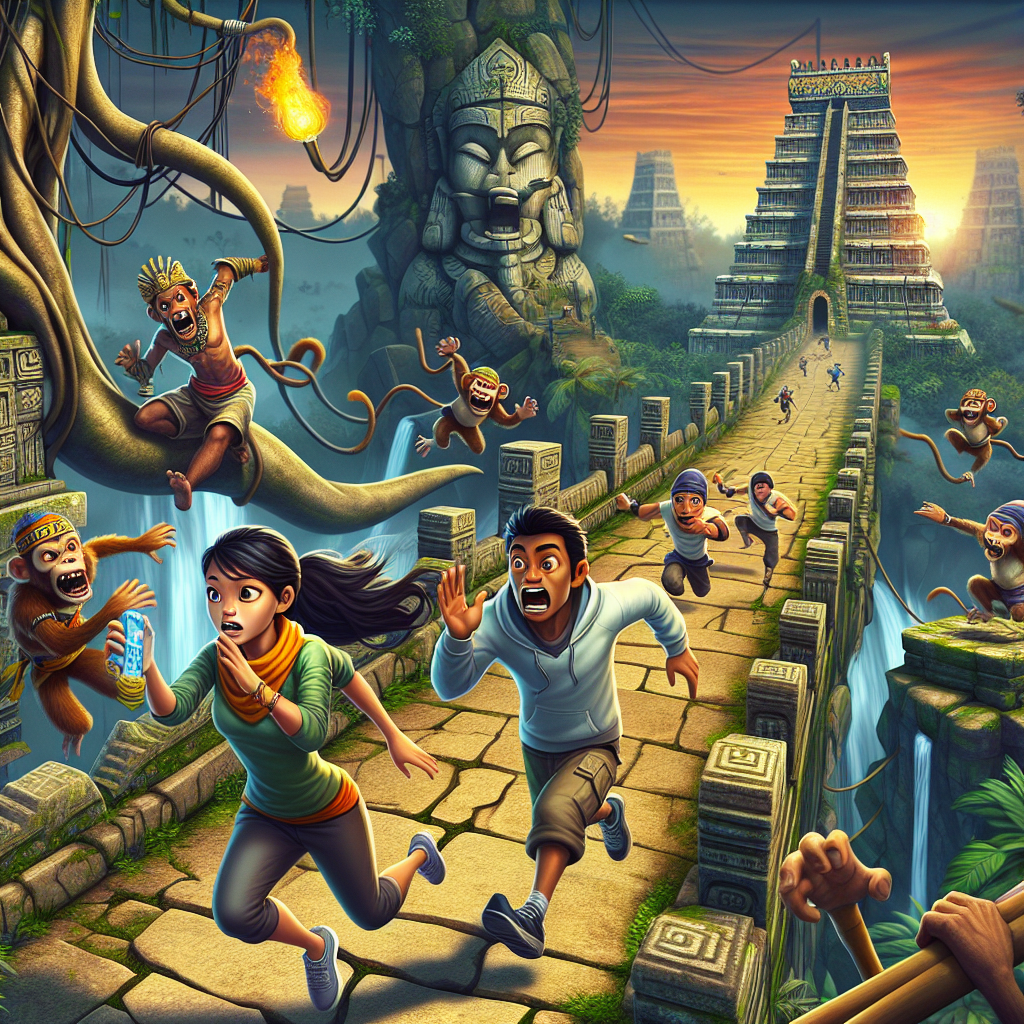
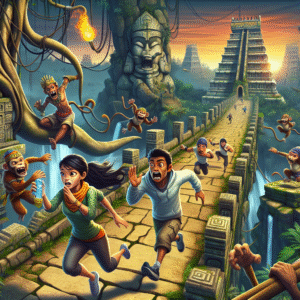
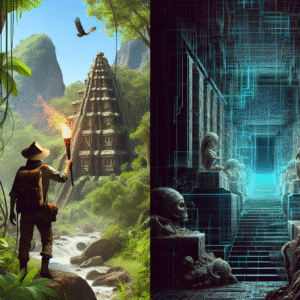
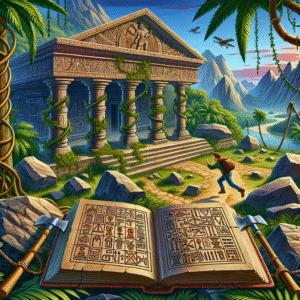
One cannot discuss “Temple Run 2” without acknowledging the influence of adventure films, particularly those from the golden era of Hollywood. The game evokes nostalgic memories of high-stakes treasure hunts and daring escapades reminiscent of classic movies like “Indiana Jones.” This homage is evident in the game’s premise: a relentless chase through treacherous terrains as players attempt to escape with a prized idol, pursued by the ominous demon monkey. The game’s design replicates the pulse-pounding tension found in these adventure classics, providing users with an immersive experience.
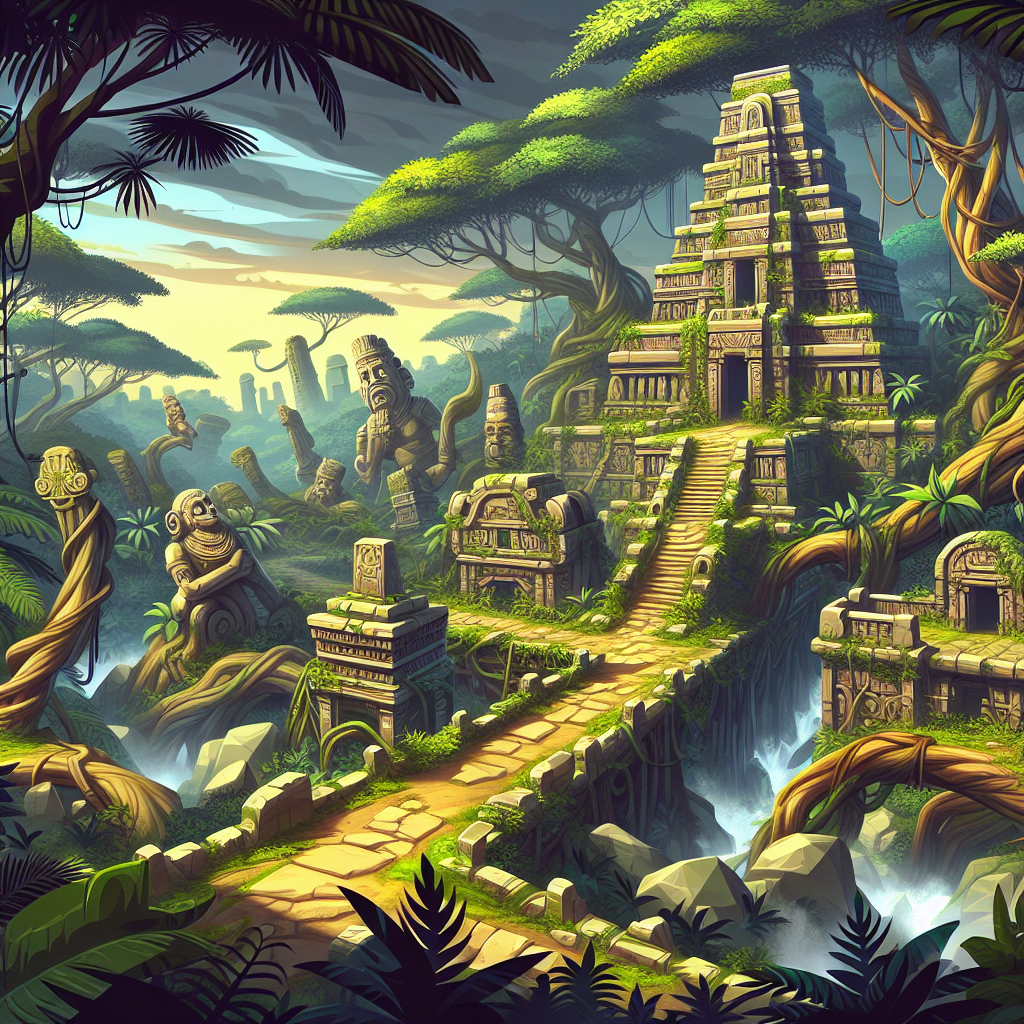
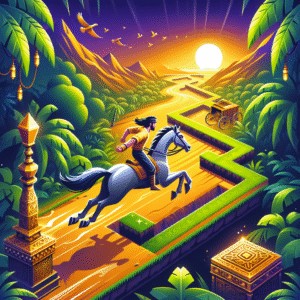
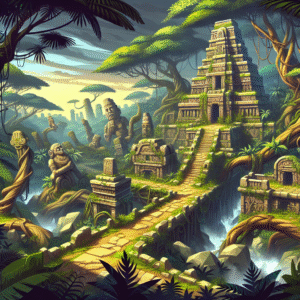
The cultural palette of “Temple Run 2” is as varied and dynamic as the game itself. The diverse set of environments — from jungles and mines to cliffs and temples — offers players a virtual tour across the globe. These settings are inspired by real-world geographies and architectures, giving players a sense of movement through globally varied locales. The temple structures draw inspiration from ancient civilizations, with intricate carvings and mystic symbols reminiscent of Incan, Mayan, and Southeast Asian temples. Players often compare the lush jungle scenes to the dense forests of the Amazon, thereby connecting in-game experiences to real-world places.
The expansion packs and updates of “Temple Run 2” further introduce elements from various cultures, enhancing the depth of the gaming experience. For example, the “Frozen Shadows” expansion plunges players into an icy wonderland, reflecting Nordic and Alpine environments, with glacial landscapes and frosty air, reminiscent of Norse mythology and winter festivals found throughout Europe. The “Blazing Sands” update, on the other hand, transports players to a desert environment inspired by Middle Eastern and North African cultures, with golden dunes and ancient ruins that echo tales from Arabian Nights.
Music and audio cues in “Temple Run 2” are another significant avenue through which cultural references are embedded. The soundtrack, with its rhythmic and adventurous tones, is akin to the epic scores that accompany adventure films. These audio elements, coupled with sound effects of wildlife and environmental factors, enhance the sense of realism and adventure. Cultural rhythms and instruments, subtly integrated into the score, pay homage to the regions depicted within the game—be they the sitar-like strings associated with the jungles or the tribal drums found in the electrically charged mines.
Moreover, “Temple Run 2” features various unlockable characters, each representative of different cultural archetypes and lore. These diverse characters, from explorers and archeologists to mythical heroes, allow players to engage in the game from multiple cultural perspectives. Characters’ backgrounds hint at real-world professions and legends, making them relatable archetypes within a fantasy setting. The introduction of holiday-themed characters and costumes, such as those inspired by Halloween or Christmas, further ties the game to global cultural celebrations, enhancing the festive experience for players around the world.
One cannot overlook the visual aesthetics and artwork that signify a convergence of art styles across different cultures. The game utilizes vibrant colors and patterns that are staples of certain cultural art forms. In the “Sky Summit” setting, the lush greenery and bright blossoms bear a resemblance to East Asian landscapes and garden artistry, paying tribute to the detailed and harmonious approach of traditional Chinese and Japanese gardens.
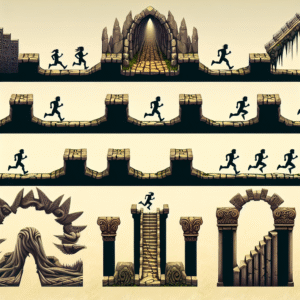
The obstacle designs are likewise infused with cultural elements. Rolling logs and zip lines echo adventures through the Amazon, while spinning blades and ferocious traps mimic ancient myths and folktales that warn of cursed treasure trails – universal stories of caution and bravery. Additionally, the game’s use of totemic and animal imagery can be linked to indigenous cultures that revered such symbols as protectors or omens within their mythos.
The global phenomenon of “Temple Run 2” is a testament to its ability to resonate with a wide audience through these cultural references. By weaving elements of history, mythology, and global aesthetics, the game transcends borders and speaks to the universal human spirit of adventure. The developers’ ability to seamlessly blend these inspirations into an engaging, heart-pounding chase captivates players, inviting them on a never-ending journey filled with mystery and excitement.
Through its intricate design and rich cultural tapestry, “Temple Run 2” continues to capture the imagination of millions. The game not only offers an adrenaline-fueled escape from reality but also serves as an interactive canvas reflecting the rich diversity of human culture and mythology, making every run through the temple a unique and culturally enriching experience.




Post Comment