League of Legends: Balancing Fun and Competition
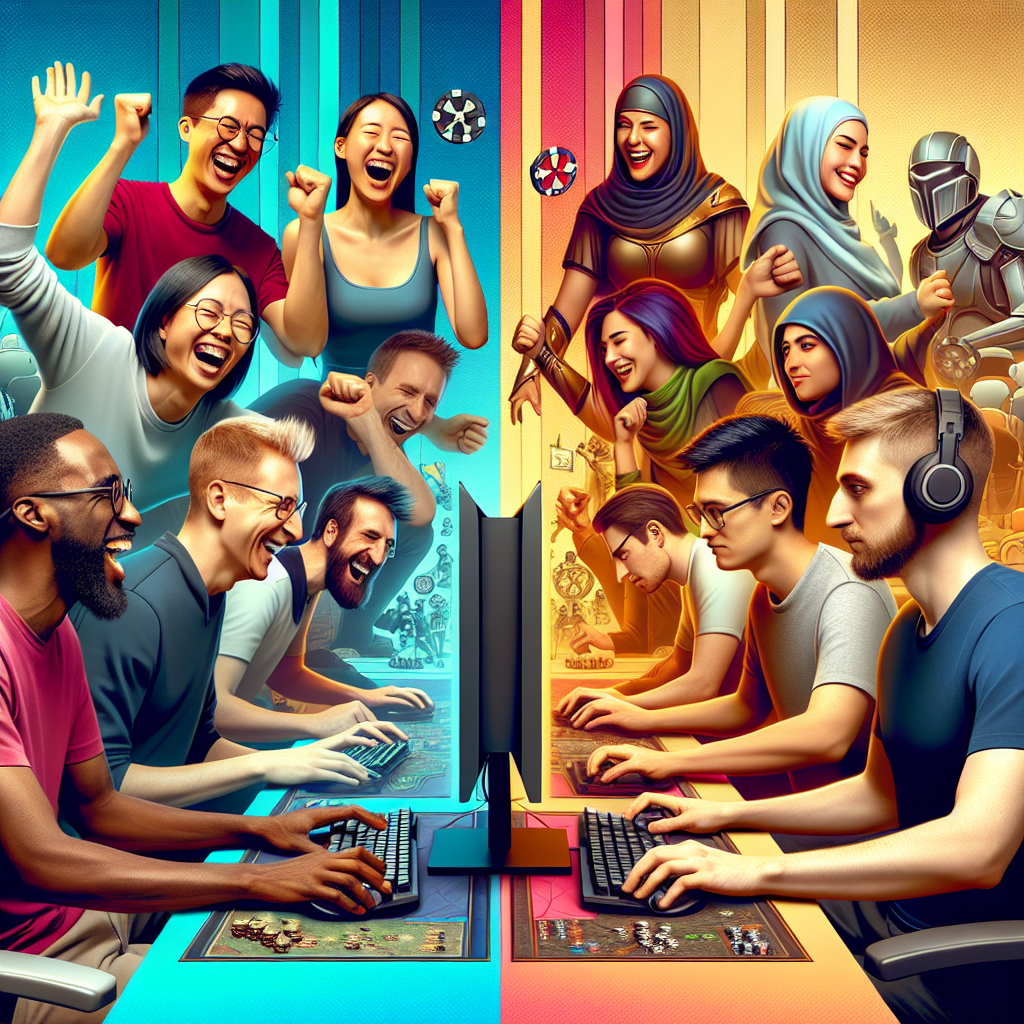
League of Legends: Balancing Fun and Competition
League of Legends (LoL), developed by Riot Games, has been a titan in the gaming world since its debut in 2009. With millions of active players worldwide, LoL stands out not only because of its strategic depth but also its ability to foster a vibrant community. The crux of its enduring success lies in how it balances fun and competition, which is no small feat in the realm of multiplayer online battle arenas (MOBAs). This balance is crucial, attracting a wide variety of players ranging from casual gamers to professional esports athletes.
The Dynamics of Gameplay
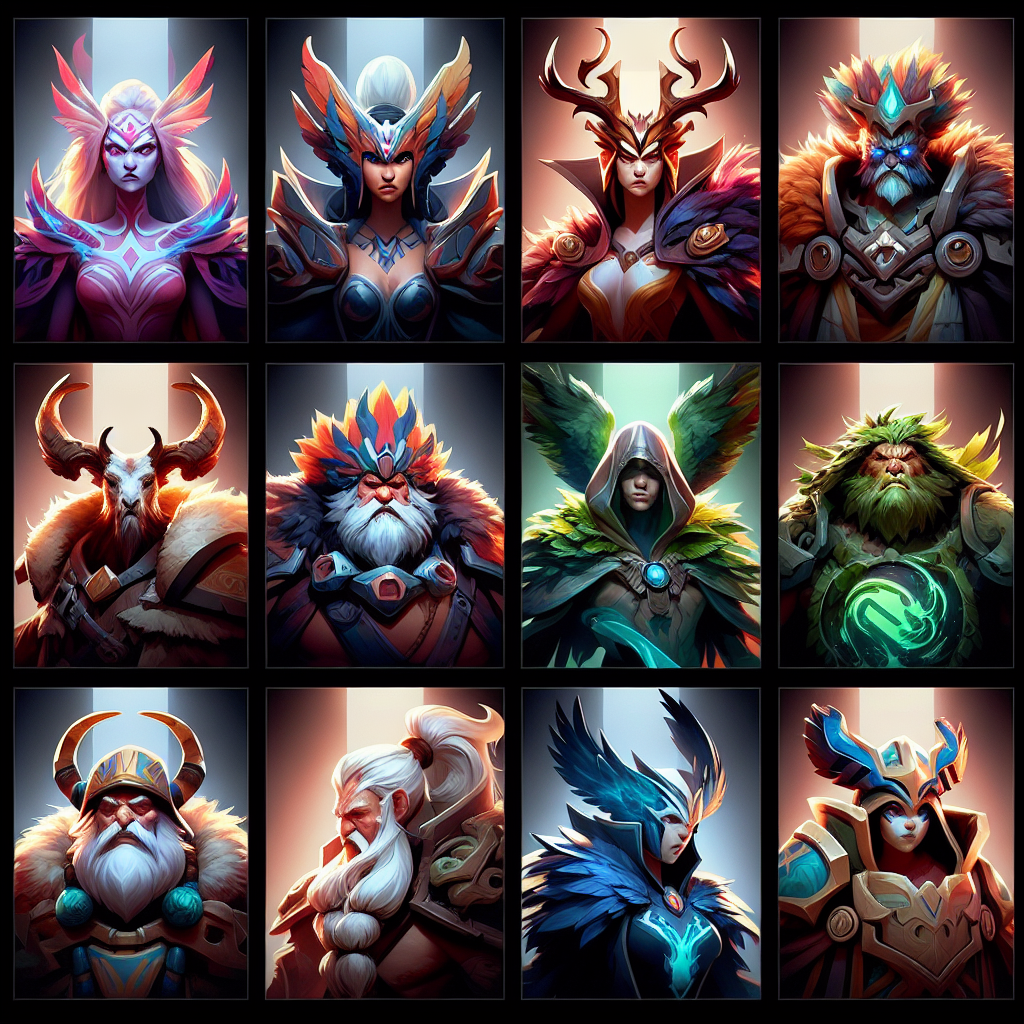
At the heart of League of Legends is its intricate gameplay, where each player controls a “champion” with unique abilities, engaging in team battles to destroy the opposing team’s Nexus, a structure located in their base. The charm of LoL lies in its complexity—boasting over 150 champions, each bringing distinct skills and strategic options to the field. This variety ensures that no two games are ever the same, keeping the experience fresh and exciting.
The game is structured around a five-versus-five format, emphasizing teamwork and coordination. Each player assumes a role: Top, Jungle, Mid, ADC (Attack Damage Carry), or Support, each requiring different skill sets and strategies. This structure is designed to promote diversity in gameplay, enabling players to explore various tactics and to build synergies with teammates.
The Competitive Edge
League of Legends thrives in its competitive nature. Ranked matches, seasonal championships, and global tournaments exemplify the high-stakes environment players engage with. Players value ranked matches for providing a measure of their mastery and skill progression. Riot Games routinely adjusts champion abilities and game mechanics in response to player feedback to ensure a balanced and fair competitive environment.
At a professional level, the League of Legends World Championship is a prestigious event in the esports calendar, drawing competitors and spectators from around the globe. The existence of regional leagues, like the LCS (League Championship Series) in North America and the LEC (League of Legends European Championship), shows that the competitive ladder extends from individual players to global esports collectives, further solidifying LoL’s status in competitive gaming.
Balancing Gameplay
To maintain its appeal, Riot Games diligently works on balancing the game, ensuring that no particular champion or strategy becomes overwhelmingly dominant. This intricate process involves analyzing vast quantities of game data, community feedback, and insight from professional players. Patches are regularly issued, where champions may be buffed (made stronger) or nerfed (weakened) to maintain equilibrium.
Moreover, Riot Games introduces new champions and reworks older ones, often to prevent stagnation and to refresh the meta, a term used to describe the most effective tactics currently known in the game. These updates keep the community engaged, as players eagerly analyze patch notes to adapt their playstyles accordingly.
Cultivating a Fun Environment
Creating a fun environment in League of Legends involves more than just ensuring balanced gameplay. Riot Games has invested significantly in crafting a rich lore and diverse universe to immerse players beyond the battlefield. Each champion is embedded with a backstory, voice lines, and aesthetics that contribute to the expansive world of Runeterra. This lore provides an additional layer of engagement, inviting players to connect with the game on a deeper, narrative-driven level.
The game also features rotating game modes and special events, which often come with unique rules and themes. These modes provide a refreshing break from standard gameplay, allowing players to experience the game in unconventional and often lighthearted ways. Events are cleverly integrated with the game’s narrative and are typically announced alongside new lore expansions or thematic shifts, sparking excitement and anticipation among players.
The Role of Community and Feedback
Community feedback is fundamental in shaping the League of Legends experience. Riot Games frequently interacts with its player base through forums, social media, and dedicated feedback channels to understand player concerns and desires better. Developers host “ask me anything” (AMA) sessions and frequently post developer updates to maintain transparency and open dialogue.
The game also promotes community interaction through features like clubs and clans, enabling players to form in-game communities. Partnered streamers and content creators further enrich the community experience, offering guides, commentary, and entertainment that augment player engagement. Such content not only highlights the depth of gameplay strategy but also fosters a sense of camaraderie and shared learning among players.
The Influence of Esports
Esports has significantly bolstered League of Legends’ status, creating a professional realm where high-level play is celebrated and broadcast globally. The professional scene brings high visibility to the game and provides fans with the excitement of watching the best players and teams compete for glory. The established ecosystem involves team franchising, player contracts, and even revenue sharing, reflecting the maturity of LoL’s esports model.
The impact of LoL’s esports scene extends to gameplay influence as well. Strategies employed by professional teams often trickle down to casual players, affecting the meta at all levels. Pro players and coaches contribute to the discussion around balance, providing perspectives that inform game tweaking and future updates.
Psychological Aspects
It is important to recognize the psychological aspects of balancing fun and competition in League of Legends. The game must address varying player motivations, from those seeking casual entertainment to those pursuing a rigorous competitive experience. Riot Games acknowledges this through features tailored to different aspirations, such as Casual Normals for laid-back gaming and the Solo/Duo queue for those seeking ranked progression.
Managing toxicity, a prevalent issue in competitive games, is another crucial aspect. Riot has instituted measures to combat negative behavior, including reporting systems, community guidelines, and penalties for disruptive conduct. Positive reinforcement mechanisms, such as the Honor System, reward players for demonstrating sportsmanship, reinforcing a constructive environment.
Technological and Developmental Innovation
Balancing an online game of League of Legends’ magnitude requires technological innovation and robust infrastructure. The game runs on a sophisticated engine that supports a high volume of concurrent users while delivering a seamless experience. Riot’s commitment to continual infrastructure improvements is evident in server upgrades and client optimizations.
Additionally, innovative use of artificial intelligence and machine learning helps Riot analyze gameplay data effectively to inform balancing decisions. This information is used not only for champion adjustments but also for matchmaking systems to ensure equitable team compositions and player experiences. By employing cutting-edge technology, Riot Games can swiftly respond to and address emerging gameplay trends.
Conclusion
While the balance between fun and competition in League of Legends might seem like a daunting proposition, Riot Games has consistently refined and enhanced the experience through community engagement, technological prowess, and a deep commitment to player enjoyment. Their approach ensures the game remains accessible and engaging while providing an intense competitive platform for those who seek it. Balancing these elements has ensured League of Legends’ place at the apex of both the gaming and esports landscapes, showcasing a model that many other games aspire to emulate.








Post Comment