How PUBG Mobile Became a Global Phenomenon
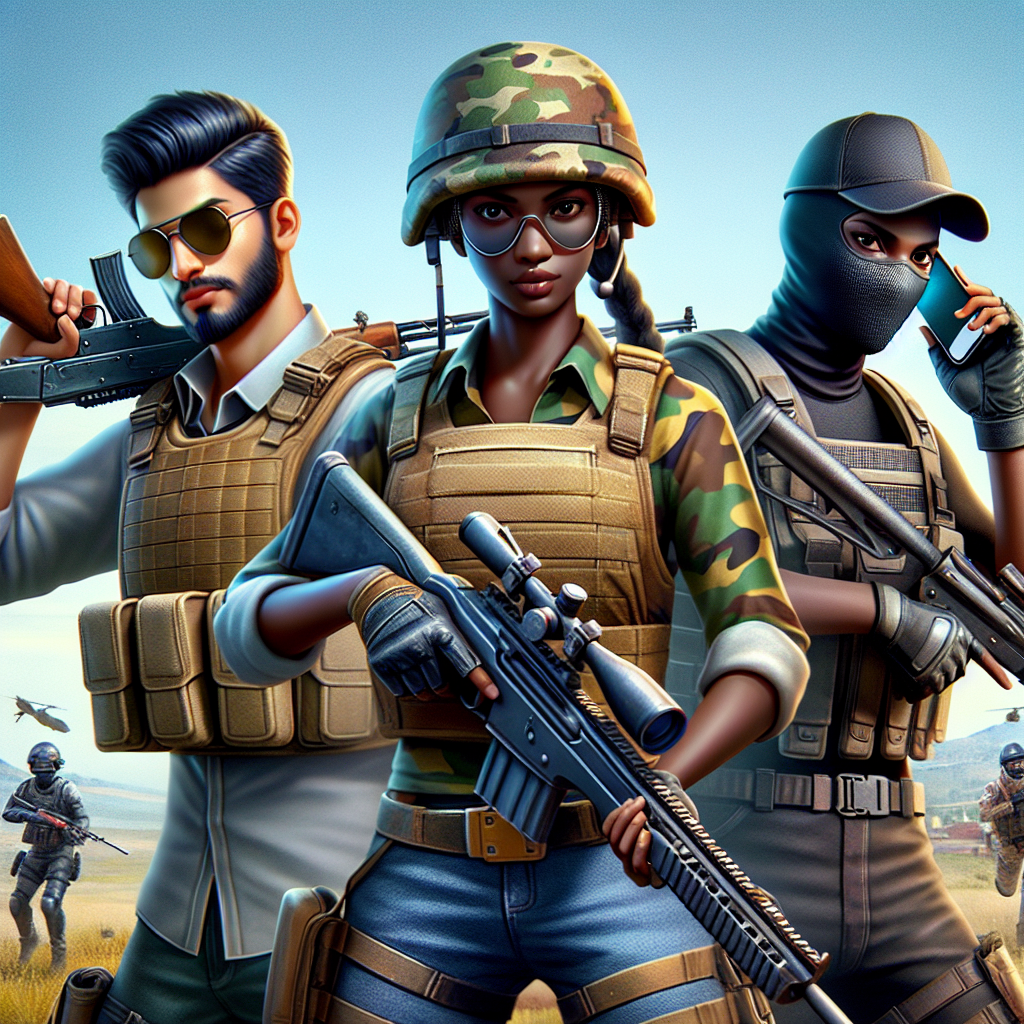
Battle Royale games have become a staple in the world of gaming, and at the forefront of this genre’s surge into mainstream popularity is PUBG Mobile. Originally an extension of the immensely successful PlayerUnknown’s Battlegrounds (PUBG) for PC and console, PUBG Mobile has paved its own path to become a standalone success. Its ascension to global phenomenon status was not by accident but rather the result of strategic planning, innovation, and a keen understanding of its audience.
The concept of a battle royale format was not entirely novel, yet PUBG Mobile leveraged the immense popularity of its predecessor and brought it to handheld devices. The core allure of the game lies in its immersive playstyle, which drops 100 players onto an island where they must scavenge for weapons and eliminate opponents, with the last person standing being the winner. This “winner-takes-all” format, combined with expansive open-world maps, created an experience unlike anything that had been successfully executed on mobile platforms before.
Central to PUBG Mobile’s success is its development pedigree. Developed by Tencent Games subsidiary Lightspeed & Quantum Studio, the developer skillfully transformed the experience from high-end PCs to mobile screens without losing the essence that made PUBG a hit. The commitment to maintaining optimal graphics and smooth gameplay has been crucial, drawing in players who previously doubted the feasibility of such gaming experiences on mobile devices. Tencent’s possession of significant resources and technical expertise facilitated regular updates, ensuring that the game remained fresh and enthralling.
One of the game’s pivotal selling points is its accessibility. Unlike its console and PC counterparts, PUBG Mobile is free-to-play, which markedly lowered the barrier to entry. This move democratized access to the game across the globe, allowing individuals from varied economic backgrounds to participate. The free-to-play model is monetized via a microtransaction strategy—players can purchase in-game items like skins and upgrades. Although non-essential for gameplay, these items provide personalized gaming experiences, thereby maintaining an enthusiastic buyer base. This model not only brought financial success but also expanded the game’s reach and engagement.
PUBG Mobile’s Global Esports Initiative has also played an integral role in its widespread acclaim. Through strategic organization of events and tournaments, PUBG Mobile transitioned from a casual pastime to a professional pursuit. The fierce competitions not only honed skilled players but also cultivated a vibrant community, engaged through live streaming platforms like Twitch and YouTube. PUBG Mobile Global Championship and PUBG Mobile Club Open are events ardently followed by millions, enhancing its brand value significantly and attracting sponsorship deals. Such initiatives have constructed a thriving esports ecosystem, adding layers to the game’s depth beyond mere entertainment.
Localization has been another significant aspect, with PUBG Mobile adeptly integrating into diverse cultures globally. Tencent’s strategic collaboration with local entities allowed them to tailor experiences appealing to specific regions. For instance, PUBG Mobile was rebranded as Game for Peace in China to align with governmental regulations. Further, localized events, challenges, and content exclusive to different regions helped foster community connection and loyalty. The introduction of language options and culturally pertinent in-game items also amplified its embrace in non-English speaking areas.
Social interaction capabilities embedded within the game have been pivotal in cultivating an entire community of players. Features such as in-game voice chat and the ability to form squads added social dimensions to the gameplay. The collaborative aspects allowed friends and strangers alike to forge bonds, turning gaming sessions into social events. The social infrastructure ingrained within PUBG Mobile not only heightened its appeal but also fostered user retention, as players returned to continue building relationships and conquering new battles together.
On a technological front, PUBG Mobile has consistently evolved its software infrastructure to adapt to and leverage advances in mobile technology. This has been exemplified by partnerships with mobile phone manufacturers and chipset companies to optimize the game for varied devices, from budget smartphones to high-end gadgets. Regular updates ensure compatibility with new operating systems and devices, reflecting an agile approach to technological advancements.
Marketing strategies have also been critical in pushing PUBG Mobile into the spotlight. Through a combination of digital marketing, influencer partnerships, and strategic advertisements, the game managed to capture the attention of vast audiences. Collaborations with famous content creators and celebrities further expanded its reach, introducing the game to untapped demographics. By utilizing a mixture of traditional marketing techniques and contemporary digital strategies, PUBG Mobile successfully cultivated a vibrant community and maintained its relevance.
Moreover, PUBG Mobile’s success is interwoven with smart collaborations across industries. Partnerships with brands for themed crossovers—ranging from fashion to entertainment sectors—have injected fresh elements into the game. For instance, collaborations with popular movie franchises and musicians have resulted in exclusive in-game content, enticing fans from those domains to engage with PUBG Mobile.
Another layer contributing to PUBG Mobile’s allure is its commitment to inclusivity, blending gaming prowess with social responsibility. Initiatives such as hosting virtual charity events and supporting educational causes have positively impacted public perception. By positioning itself as more than just a means of entertainment but a responsible entity, PUBG Mobile has strengthened its community’s trust and expanded its audience base.
As PUBG Mobile continues its journey, the game undoubtedly faces challenges, such as maintaining its player base in the face of emerging competitors offering similar experiences and navigating the ever-evolving regulatory frameworks across different jurisdictions. However, by remaining adaptive and attentive to the pulse of its community, PUBG Mobile has shown that it has the potential to mature even further, continuing to shape and define the global mobile gaming landscape.
The phenomenon of PUBG Mobile demonstrates how a well-executed and multifaceted approach—embracing technical innovation, strategic marketing, cultural adaptability, and social connectivity—can drive a mobile game from being merely popular to a truly global sensation. In the dynamic arena of mobile gaming, PUBG Mobile exemplifies the potent combination of creativity, capability, and community-building that modern games seek to aspire toward.










Post Comment