The Artistic Vision Behind Counter-Strike 2’s Graphics
Graphics have always played a pivotal role in the immersive experience of video games, with Counter-Strike 2 being no exception. This iconic series’ latest installment promises to redefine player expectations when it comes to in-game visuals. The artistic vision behind Counter-Strike 2’s graphics is a blend of cutting-edge technology, creative artistry, and user-centered design principles.
A key component in developing the art style of Counter-Strike 2 was maintaining a fine balance between modernizing the visuals and preserving the classic aesthetic that has made the series beloved by millions. The development team was tasked with updating the game for a new generation of gamers while honoring its roots. This story of evolution begins with the selection of a fitting game engine.
Counter-Strike 2 utilizes the Source 2 engine, a substantial upgrade from the engine used in previous iterations. Source 2 provides the graphics with unparalleled levels of detail and realism, offering enhanced rendering capabilities that bring the game’s environments to life. The decision to employ Source 2 was rooted in its ability to handle high-fidelity textures and support intricate visual effects, all while offering optimal performance on a range of hardware.
Lighting in Counter-Strike 2 embodies the core vision of realism. The use of dynamic lighting techniques ensures that in-game environments react naturally to the player’s presence and the time of day. The intricacy of these lighting effects is seen in subtle interactions, such as the way sunlight streams through windows, casting accurate shadows and giving a tangible depth to scenes. This approach not only enhances the aesthetic quality but also affects gameplay by modifying visibility and creating tactical opportunities.
Further enriching the visuals are the game’s highly detailed textures and models. The development team devoted significant resources to crafting an array of textures that cater to diverse environments, from urban arenas to desert battlegrounds. Each texture reflects a high level of detail, from the granularity of concrete in urban maps to the grains of sand in desert locales. Advanced techniques like tessellation have been employed, adding depth and complexity to surfaces, thus boosting the overall realism.
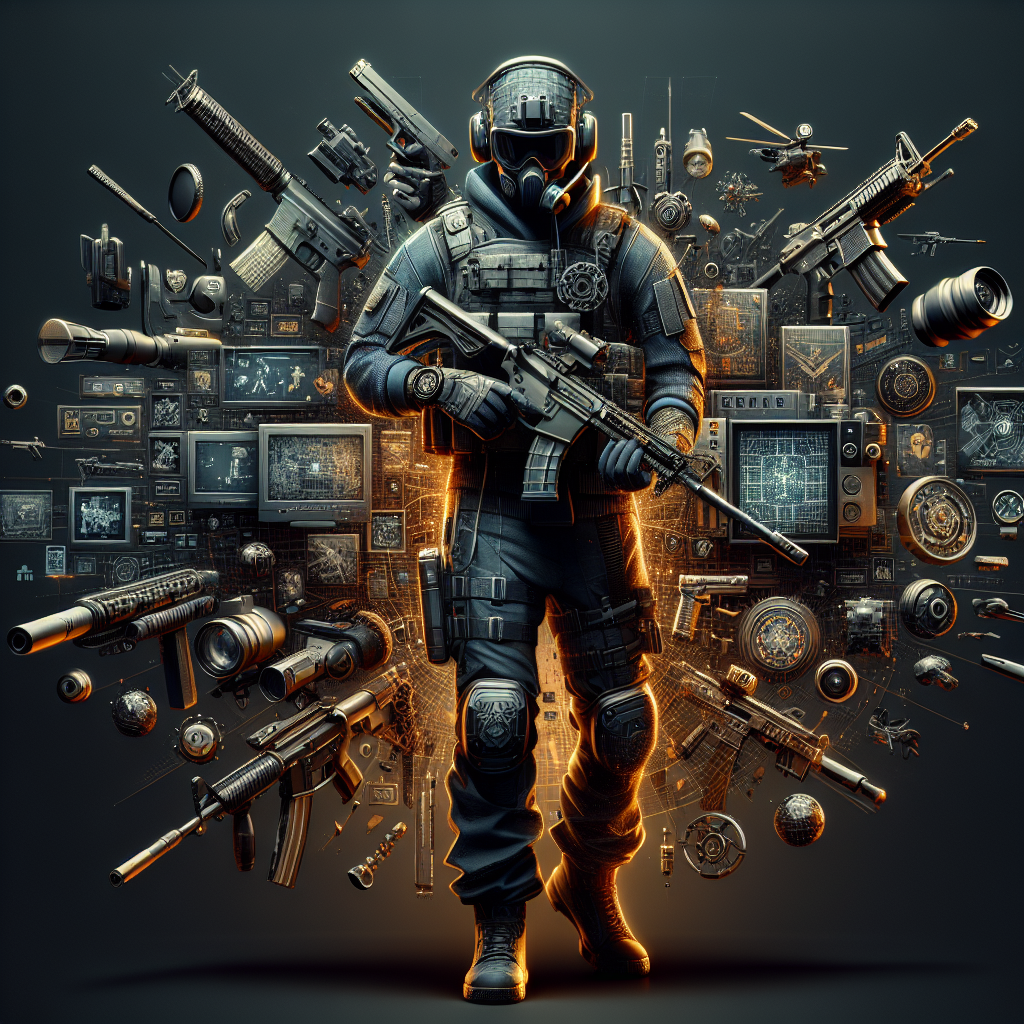
Character models in Counter-Strike 2 have been meticulously crafted to reflect the diverse cast of operatives. The attention to detail is evident in the characters’ gear, which ranges from tactical vests to weaponry, each modeled with precision and care to ensure authenticity. The focus on realistic animations is equally paramount, with characters moving fluidly across the terrain, enhancing the immersive experience.
Sound design plays a crucial role in complementing the graphics. Spatial audio techniques give players an acoustic map of their surroundings, allowing them to sense direction more accurately and react appropriately. The visual and audio synergy helps create an encompassing environment, where players feel truly part of the action.
A distinguishing factor of Counter-Strike 2’s graphics is the strategic use of color palettes to convey different moods and intensities across maps. Warmer colors are utilized to create tension and urgency in high-stake situations, while cooler tones offer a reprieve in more subdued areas. This thoughtful use of color contrasts helps in not only establishing atmosphere but also guiding player focus seamlessly through the map.
Attention to detail extends to the UI and HUD design, with visuals kept clean and intuitive. This aspect is crucial for maintaining the flow of information without overwhelming the player. The UX designers behind Counter-Strike 2 have employed minimalistic design principles to maintain clarity, ensuring that players can make split-second decisions without distraction.
Beyond the purely aesthetic enhancements, Counter-Strike 2’s graphics also integrate User Interface (UI) advancements that streamline menu navigation and in-game interactions. This facet of the design ensures that players spend less time fumbling through options and more time in the heat of battle. Consistency in visual style throughout the game’s UI further strengthens the seamless experience that players now demand.
The game’s environmental design reflects a conscientious approach to sustainability within digital spaces. With the rising awareness of ecological issues, developers have made a conscious effort to incorporate ‘green’ themes subtly within the environments, encouraging players to appreciate and reflect on the natural world, even within a virtual domain.
Facet to note is the multiplayer aspect, where graphics must perform seamlessly in real-time, high-stakes situations with multiple players from across the globe engaging simultaneously. Optimization plays a crucial role here; the graphics are designed to ensure smooth performance without compromises that could affect gameplay integrity. Balancing high visual fidelity while maintaining competitive responsiveness is a core challenge the team has addressed expertly.
The community also plays a part in shaping the artistic direction post-launch, as modification tools available with Source 2 enable players to create custom maps and skins. The developers recognize and embrace the collaborative relationship between creators and the community, leading to an ever-evolving visual landscape that reflects the shifting dynamics in gameplay and player preferences.
Unique to Counter-Strike 2’s graphics is the integration of emergent environmental storytelling. Maps are littered with small details that communicate a broader narrative, whether it be a strategically placed newspaper article hinting at the map’s backstory or graffiti marking territory. This layer of artistic storytelling draws players deeper into the game world, enhancing the narrative without explicit exposition.
Particle effects are another highlight, bringing an added layer of dynamism to in-game actions. Explosions produce believable plumes of smoke, debris, and flashes that look and behave convincingly, enhancing the visceral feel of combat. These effects have been optimized to maintain clarity and readability even during the most chaotic encounters, ensuring that gameplay remains the priority.
The artistic vision behind Counter-Strike 2’s graphics is also underscored by inclusivity. The game features a range of customizable options that allow players to adjust the visuals to their needs, making it more accessible to a wider audience. Whether it’s colorblind modes or adjustable subtitle sizes, these thoughtful inclusions demonstrate a commitment to fostering an inclusive gaming environment.
Lastly, consistent community feedback is integral to refining and evolving the graphic design post-launch. Real-time updates based on player experiences help in tweaking and enhancing visual elements to better suit the audience’s evolving tastes and technological capabilities. This open dialogue ensures Counter-Strike 2 remains a visually compelling, user-oriented, and innovative title that stands the test of time.
Ultimately, the artistic vision behind Counter-Strike 2’s graphics doesn’t merely rest in technological prowess or fidelity. It represents a holistic approach blending aesthetics, functionality, community input, and interactivity, all harmonized to create a captivating and enduring experience.





Post Comment