The Evolution of Stealth Mechanics in The Last of Us Part II
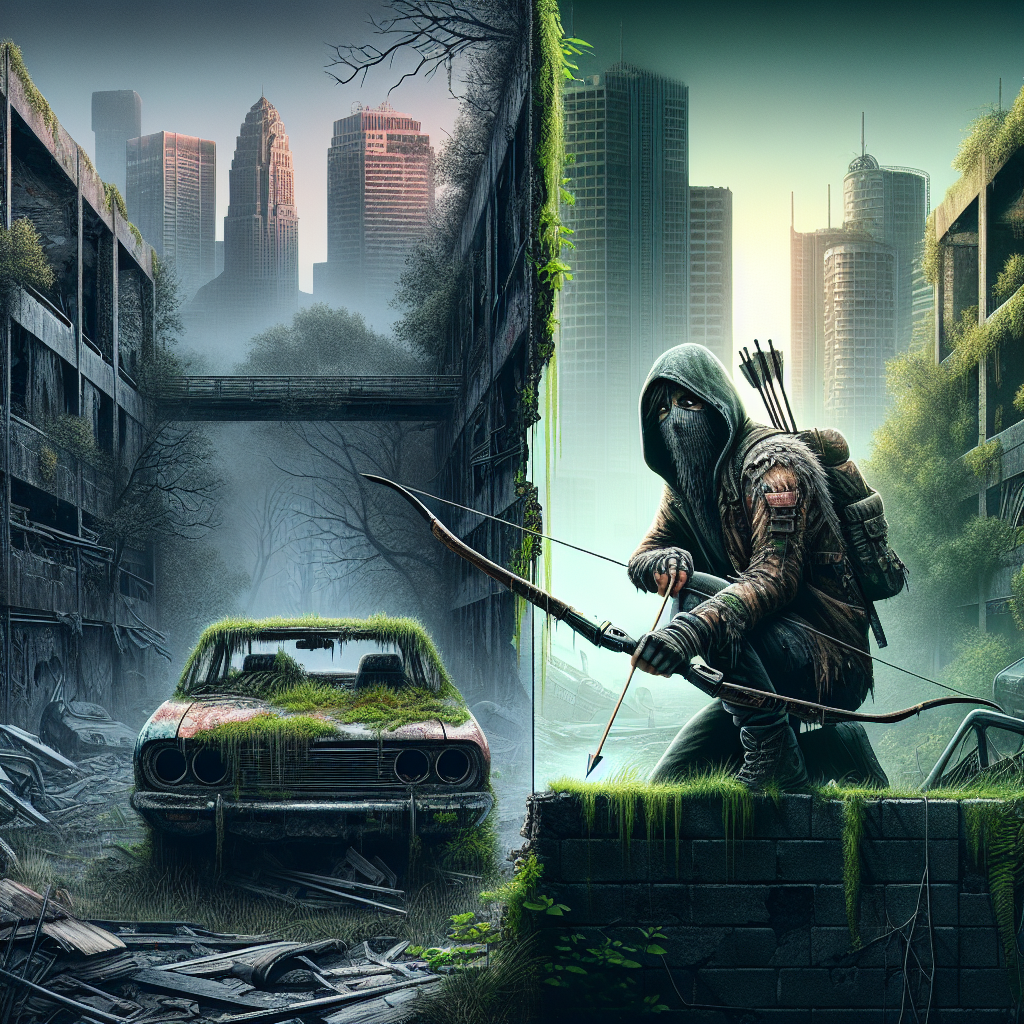
Understanding the evolution of stealth mechanics in “The Last of Us Part II” requires a closer look at how this highly acclaimed title has refined and expanded upon its predecessor, fostering a game environment where tension and stealth intertwine seamlessly. This action-adventure game developed by Naughty Dog has achieved considerable success, not only through its narrative and graphics but significantly through its gameplay mechanics, particularly in terms of stealth.
Naughty Dog made considerable improvements in the stealth mechanics of “The Last of Us Part II,” creating a more immersive and dynamic player experience. In the original game, players already encountered a rich stealth-based system, but the sequel has pushed those mechanics to new heights. One of the key enhancements comes from the AI improvements that have resulted in more believable and challenging enemy encounters. These innovations have demanded players to adapt and refine their approach to stealth, encouraging them to constantly assess the environment and think critically.
The integration of enhanced AI has fundamentally transformed the dynamics of stealth encounters. Enemies in “The Last of Us Part II” are more intelligent and responsive, capable of communicating with each other to coordinate searches, flanking maneuvers, and awareness of the player’s presence. This realistic interaction among adversaries means that players must be more strategic in their planning. The AI’s ability to adapt has made every encounter unique, increasing the sense of realism and urgency in stealth mechanics.
The environment design in “The Last of Us Part II” greatly supports stealth gameplay by offering diverse and flexible spaces for players to navigate. Wide-open areas punctuated by an abundance of cover options create a sandbox-like feel where players can experiment with different strategies. The inclusion of tall grass, crawl spaces, and destructible environments adds layers of tactical depth that encourage creativity. This rich interplay between player and environment allows for multiple approaches to a particular situation, thereby enhancing replayability and player engagement.
The game introduces mechanics that deepen the stealth experience, such as the prone and dodge features. Prone mechanics enable players to crawl under vehicles or bushes to evade enemy sightlines, adding another dimension to stealth. Coupled with the dodge ability, these mechanics allow players to engage enemies more dynamically and escape when necessary. The inclusion of silencers for certain weapons further underscores the emphasis on stealth, allowing players to take out enemies quietly without alerting others nearby.
Moreover, “The Last of Us Part II” offers a variety of enemy archetypes, each with distinct behaviors and detection capabilities. This diversity in enemy design compels players to switch strategies often, from stealth kills to distractions to direct confrontation as the situation dictates. Some enemies patrol predetermined paths, while others roam dynamically, making it crucial for players to remain vigilant and flexible. This heightened complexity necessitates a balance of patience and quick thinking from players.
Adding to the tension of survival is the inclusion of guard dogs that can track the player’s scent. This is a new complication that elevates the stakes of stealth encounters significantly. Players must now carefully plan their movements and consider how to erase trails using water bodies or complex pathways, adding another layer of strategy to the already intricate stealth system. These dogs serve as a reminder that the world of “The Last of Us Part II” is one where every decision can have significant consequences.
The psychological tension generated by the improved stealth mechanics contributes to the narrative’s emotional weight. The often-unsettling music accompaniment, sound design, and environmental storytelling all converge to elevate the player’s tension, keeping gamers on edge and fully immersed. Each stealth encounter not only demands tactical precision but also evokes the game’s thematic overtones of survival, loss, and vulnerability.
The crafting system in “The Last of Us Part II” further supplements the stealth mechanics, emphasizing resource management and offering players strategic choices. Crafting silencers, smoke bombs, and other tools supports stealth gameplay and promotes an adaptive style of play. Players must judiciously allocate scarce resources, often deciding between items that enhance stealth capabilities or those needed for survival in direct conflict scenarios.
Ellie’s journey, in particular, is tied deeply to the evolution of stealth within the game. Her abilities and options in stealth scenarios grow with her character development, allowing players to explore the nuances of her character through gameplay. The way players choose to engage with the stealth system can reflect Ellie’s psychological state and relationship with the world around her, offering a profound narrative linkage that few games achieve.
Overall, “The Last of Us Part II” provides an intricate mesh of narrative and gameplay through its developed stealth mechanics. The game encourages methodical stealth but leaves room for chaotic, nerve-wracking shifts when plans go awry. This balance captures the essence of survival horror and action-adventure genres, making stealth an integral element of the emotional resonance found throughout the title’s journey.
Understanding the depth and complexity of stealth in “The Last of Us Part II” showcases Naughty Dog’s commitment to evolving gameplay that challenges conventions and engages players on multiple levels. The game achieves a symbiotic relationship between environment, AI, and player agency, resulting in a world that feels alive and deadly in equal measure. Through stealth, the player not only maneuvers around threats but also delves into the thematic core of the story, embodying the fight for survival in a world where every shadow could be a refuge or a threat.












Post Comment