Metroid Dread: Exploring the Evolution of Samus Aran’s Latest Adventure
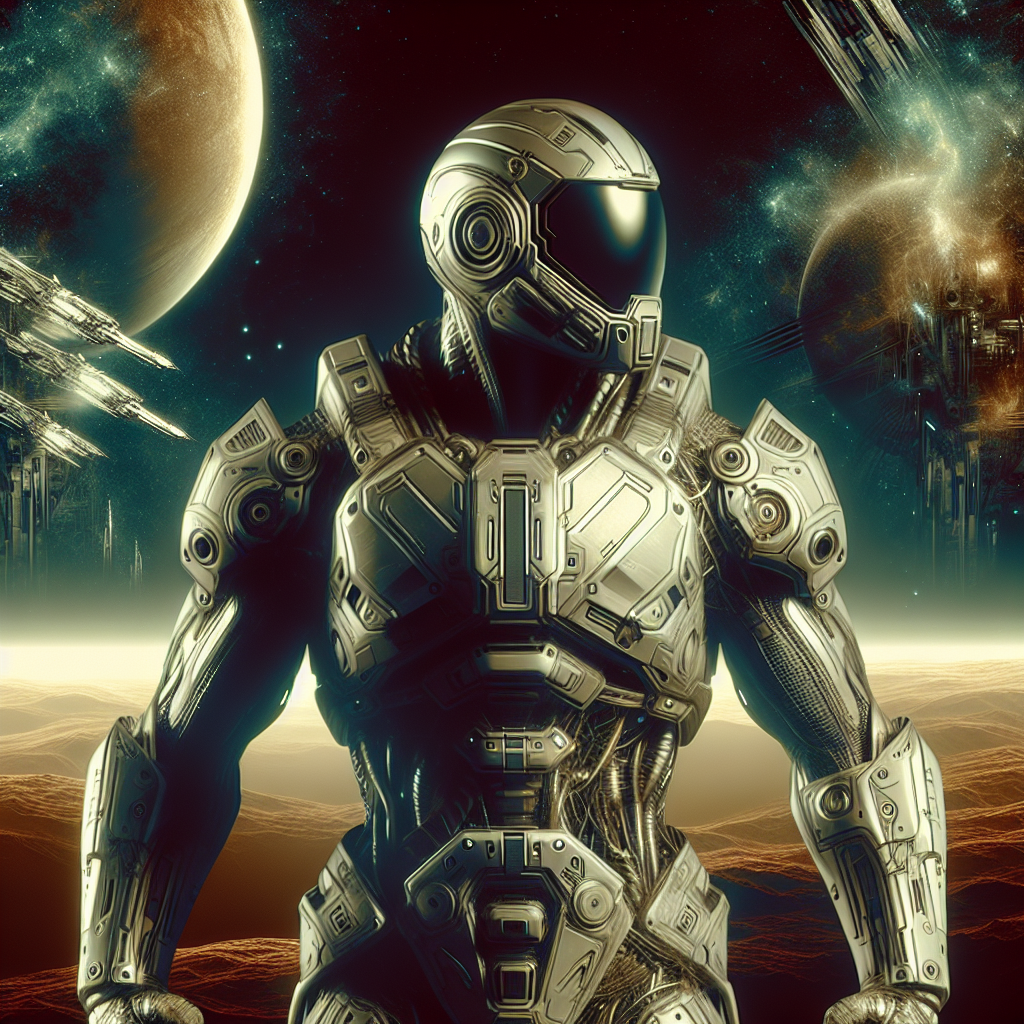
The Metroid series, a staple in the action-adventure gaming genre, has consistently pushed the boundaries since its inception in 1986. With “Metroid Dread,” the latest installment by MercurySteam and Nintendo, the series takes a bold step forward, continuing the saga of Samus Aran, the iconic intergalactic bounty hunter. This article delves into the intricate evolution that has characterized “Metroid Dread,” an adventure that redefines familiar gameplay dynamics while preserving the franchise’s core elements.
The Metroid franchise, known for its pioneering role in the “Metroidvania” genre, excels at intertwining exploration, puzzle-solving, and combat. Each installment has meticulously built upon these elements, offering players rich, atmospheric experiences. “Metroid Dread” honors this legacy by rejuvenating the series with fresh mechanical enhancements and technological advancements that present both veteran players and newcomers with a compelling reason to venture into ZDR, the mysterious planet hosting this adventurous escapade.
One of the most profound evolutions in “Metroid Dread” is its graphical advancement. The game boasts a polished 2.5D presentation, a departure from the traditional 2D sprite visuals, harnessing the power of modern hardware to present a captivating, immersive environment. Detailed character models, dynamic lighting, and meticulously designed backgrounds contribute to an engaging atmosphere that retains the series’ signature eerie aesthetic. This visual enhancement not only enriches exploration but also intensifies encounters with formidable foes, making each discovery and battle more visually impactful.
The narrative intricacy is another key aspect where “Metroid Dread” makes significant strides. The storyline builds upon the events of “Metroid Fusion,” deftly weaving a tale filled with tension and mystery. The E.M.M.I. robots introduce a new layer of fear and urgency, transforming sections of the game into a suspenseful chase where players must outwit these relentless machines. These encounters are strategically interwoven into the gameplay, maintaining a delicate balance between exploration and survival horror that deftly builds suspense.
Samus Aran, as a character, has undergone notable evolution. The game dives deeper into her persona, her internal conflicts, and her mission-driven determination. Her interactions and confrontations reveal layers of her character, strengthening her legacy as a powerful yet enigmatic hero within the gaming world. Her suit’s ability to adapt and integrate new powers as she progresses not only serves gameplay purposes but underscores her resilience and adaptability, core traits that have defined her character over the years.
Gameplay mechanics in “Metroid Dread” exhibit a sophisticated evolution, underscored by the introduction of new abilities and the refinement of existing ones. The Flash Shift and Phantom Cloak are exemplary additions. The Flash Shift enables Samus to dash instantaneously, offering strategic advantages in both combat and traversal. The Phantom Cloak, on the other hand, introduces stealth elements, allowing Samus to avoid detection by cloaking herself. These abilities add depth to the gameplay, encouraging creative approaches to challenges and enhancing the exploratory nature of the game.
The design of ZDR itself reflects an evolution in level design, characterized by expansive, interconnected areas that are meticulously crafted to reward curiosity and exploration. Each sector of the planet possesses a unique ecology and atmosphere, enriched with secrets and narrative clues waiting to be uncovered. The map, with its detailed topography and markers, aids players in navigating the complex terrain, ensuring that while exploration is challenging, it remains accessible and rewarding. This design philosophy amplifies the Metroidvania experience, encouraging thorough exploration and repeated revisits to previously discovered locales as new abilities open up inaccessible areas.
Boss battles, a hallmark of the Metroid series, continue to evolve in “Metroid Dread.” Each encounter is strategically designed to test both the player’s reflexes and strategic planning. Bosses are not merely obstacles; they are multi-layered challenges that demand an understanding of their attack patterns, weaknesses, and environmental interactions. This iteration improves upon past designs by integrating Seamless transitions between stages within each boss fight, enhancing the fluidity and intensity of battles, and ensuring that each victory feels earned and rewarding.
The auditory elements of “Metroid Dread” are another testament to the series’ evolution. The soundtrack, composed by Kenji Yamamoto and Soshi Abe, blends orchestral arrangements with ambient sounds, crafting a soundscape that amplifies tension and immersion. Each area’s musical theme is finely tuned to its environmental context, maximizing the emotional impact and reinforcing the narrative’s atmospheric tension. The sound design also excels in creating a sense of presence, with subtle audio cues alerting players to dangers and opportunities, enhancing situational awareness and immersion.
MercurySteam’s collaboration with Nintendo underscores a striking evolution in development strategy, marrying innovative ideas with traditional design philosophies. The studio’s expertise in crafting atmospheric experiences is evident throughout the game, while Nintendo’s meticulous attention to detail ensures that “Metroid Dread” remains a faithful continuation of the storied franchise. This partnership has successfully breathed new life into the Metroid saga, positioning “Metroid Dread” as a pioneering title that honors its roots while heralding a new era for the series.
In the realm of technological advancements, “Metroid Dread” leverages the capabilities of the Nintendo Switch, offering both handheld and docked experiences that retain graphical fidelity and smooth performance. The choice of platform invites accessibility, allowing a wider audience to engage with the game, and highlights Nintendo’s strategic direction in accommodating both casual and dedicated players. This focus on platform optimization ensures that regardless of how players choose to engage with the game, they experience the intricate details and fluidity that define “Metroid Dread.”
The evolution witnessed in “Metroid Dread” is multifaceted, reflecting advances not only in gameplay mechanics and narrative depth but also in technological applications and development partnerships. These elements coalesce to form an experience that is both fresh and familiar, a testament to the enduring appeal of Samus Aran’s adventures. As players navigate treacherous landscapes, outmaneuver E.M.M.I. robots, and uncover secrets of a perilous world, they partake in an adventure that underscores the timelessness and adaptability of the Metroid formula.
As the Metroid franchise looks to the future, “Metroid Dread” stands as a pivotal moment in the series’ continued evolution, demonstrating that reinvention and tradition can coexist within the framework of modern gaming. This latest entry not only captivates fans by continuing Samus Aran’s epic journey but also solidifies Metroid’s place as a cornerstone in the annals of gaming history, proving that the allure of discovery and the thrill of adventure remain as compelling as ever.




Post Comment