Discovering the Legacy: An In-Depth Look at Uncharted 4: A Thief’s End

Uncharted 4: A Thief’s End stands as a monumental achievement in the gaming industry, encapsulating the essence of adventure, storytelling, and exquisite game design. Released in May 2016 by the renowned Naughty Dog studio, it serves as the climactic finale to the saga of Nathan Drake, a charismatic treasure hunter. This PlayStation 4 exclusive captures the imagination of players worldwide with its intricate narrative, inspiring visuals, and meticulously crafted gameplay mechanics.
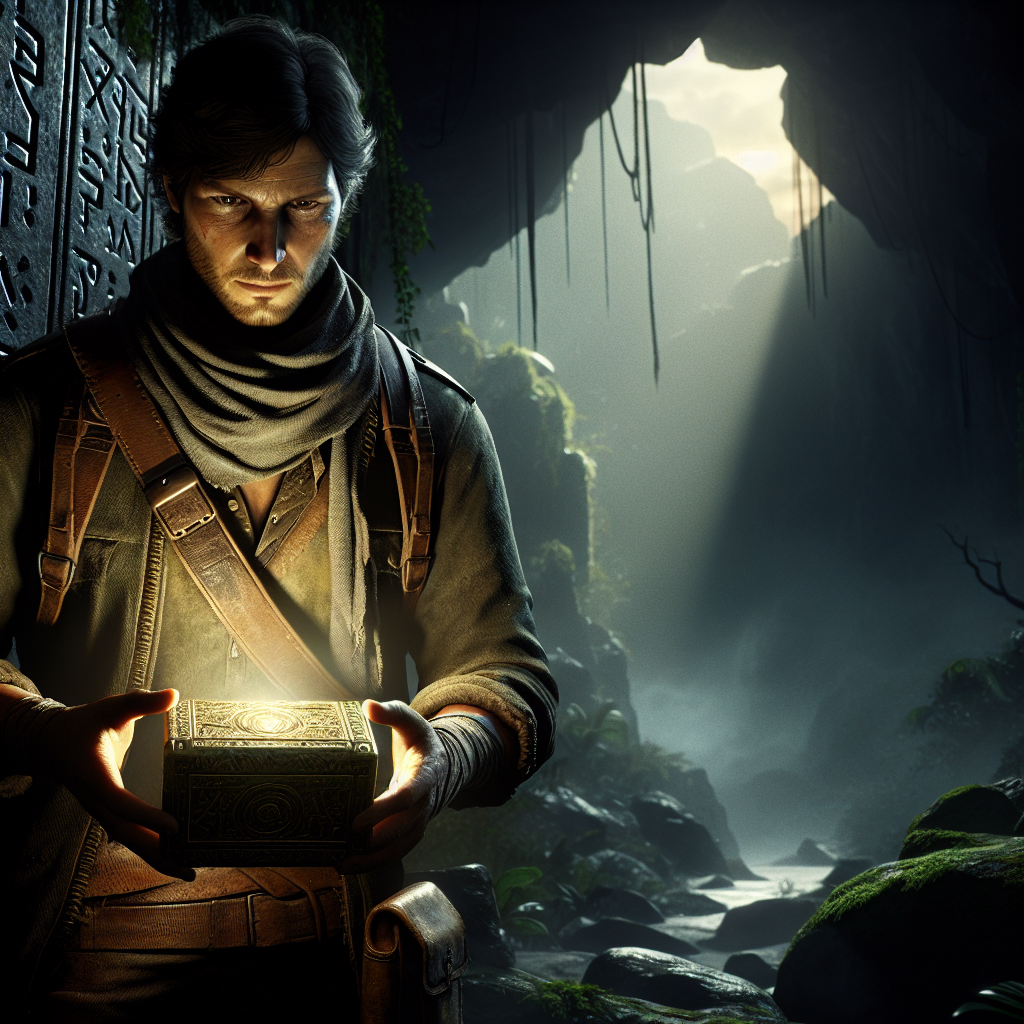
The narrative of Uncharted 4 is a tapestry woven with threads of loyalty, betrayal, and redemption. It begins several years after the events of Uncharted 3: Drake’s Deception, with Nathan having retired from treasure hunting and living a quiet life with his wife, Elena Fisher. The storyline takes a compelling turn as Nathan’s presumed-dead brother, Sam Drake, reenters his life. Driven by his brother’s reappearance and a tantalizing lead on the legendary pirate Henry Avery’s lost treasure, Nathan embarks on one final, thrilling expedition.
A significant contribution to the game’s acclaim is Naughty Dog’s dedication to character development. Nathan Drake, portrayed with remarkable depth by actor Nolan North, is both relatable and multifaceted. His internal struggles, from grappling with the lure of adventure to confronting his past, provide an emotional anchor for the storyline. Sam Drake, voiced by Troy Baker, serves as a catalyst for Nathan’s final journey, introducing new dynamics to Nathan’s longstanding relationships and contributing to the game’s emotional gravitas.
The interplay between Nathan and Elena adds another profound layer. Their relationship, portrayed with realism and sensitivity, explores themes of sacrifice and partnership. As Nathan’s partner in life and occasional fellow adventurer, Elena’s character development is substantial, offering an honest depiction of the challenges faced by their relationship amidst the chaos of treasure hunting.
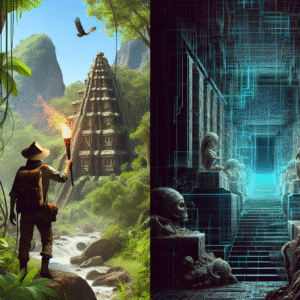
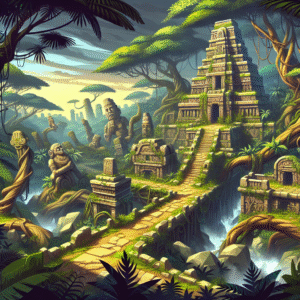
The richly detailed environments of Uncharted 4 set it apart in the realm of visual storytelling. The game leads players through lush jungles, treacherous mountains, and sun-soaked coastlines, each environment breathtakingly rendered. Naughty Dog’s use of motion capture technology extends to environmental interactions, creating seamless transitions between cutscenes and gameplay that heighten immersion.
A standout feature is the city of King’s Bay in Madagascar. Its vibrant street markets, rolling hills, and scenic terrain offer not only visual splendor but also sandbox-style exploration. This open-ended approach exemplifies a critical evolution in the series’ design, allowing players to choose multiple paths to navigate each environment. This freedom enriches the player’s sense of discovery and agency, a testament to Naughty Dog’s commitment to innovative gameplay.
Central to the gameplay experience are Uncharted 4’s refined mechanics. The game introduces an updated climbing system, utilizing a rope and piton to traverse challenging landscapes more fluidly than ever before. The combat system also underwent enhancements, with stealth elements granting strategic freedom unseen in previous installments. This change allows for more dynamic encounters, accommodating various player styles and preferences.
The AI in Uncharted 4 deserves mention for its realism and complexity. Enemies exhibit intelligent behavior, adapting strategies based on the player’s actions, thereby maintaining tension and engagement throughout encounters. The companions, Sam and Sully, significantly contribute to gameplay immersion with their competent participation and lifelike reactions to unfolding events.
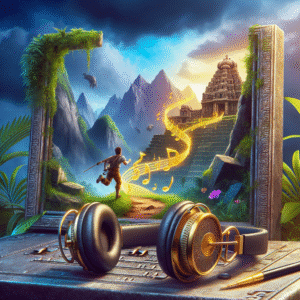
Music and sound design in A Thief’s End enrich the narrative and gameplay experience. Henry Jackman’s score accompanies the player’s journey with themes that resonate with the emotional highs and lows of Nathan Drake’s final adventure. The soundscape complements the environmental design, with ambient noises and well-timed audio cues enhancing the visceral experience of exploration and combat.
From a technical perspective, Uncharted 4 demonstrates the capabilities of the PlayStation 4. The game runs at a fluid 30 frames per second, prioritizing graphical fidelity, which pays off with stunning detail in character expressions and environments. The visual delivery is matched by the game’s stability and polished performance, a benchmark for future titles in the genre.
An area where Uncharted 4 excels is in its approach to narrative pacing. The game balances action sequences with quieter moments of introspection and world-building. Players are often treated to conversations and interactions that, while appearing optional, serve to deepen the backstory and character motivations, encouraging players to invest emotionally in the narrative.
Equally significant is the game’s treasure discovery mechanic, a signature of the series. These collectibles are cleverly integrated within the world, encouraging exploration without obstructing the narrative pace. Each treasure found is tied to historical lore, offering players educational insight into the real-world history behind the game’s fictional narrative.
A Thief’s End further expands its appeal with a robust multiplayer component. This feature extends the game’s longevity, offering competitive and cooperative play options. Players can engage in team-based matches that emphasize the series’ core mechanics of traversal and combat. Personalized loadouts and character customization ensure a tailored experience, catering to diverse playstyles.
Innovation in accessibility is another hallmark of Uncharted 4. Recognizing the diversity of player needs, the developers incorporated a range of accessibility options. These include extensive subtitle features, adjustable camera sensitivity, and customized controls, ensuring that Joseph Nathan Drake’s adventure can be enjoyed by a broader audience.
In cultural terms, Uncharted 4: A Thief’s End represents a juncture in video game storytelling, setting a high standard for narrative-driven experiences. It’s a testament to how the medium can function as a vehicle for emotional resonance and complex storytelling, engaging players on a profound level.
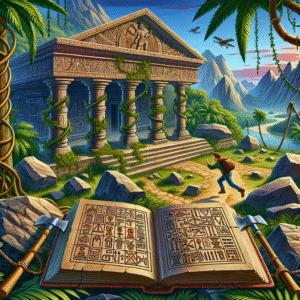
While the game marks the conclusion of Nathan Drake’s story, it leaves an enduring legacy in its wake. As both a critical and commercial success, it encapsulates the potential of video games to evoke awe and wonder, cementing its place as a classic in the action-adventure genre. Players worldwide have explored ancient ruins, deciphered forgotten languages, and unearthed long-lost secrets, all while reflecting on the human experience—a discovery of legacy far greater than any treasure.





Post Comment