Uncharted 4’s Influence on Future Video Games

Uncharted 4: A Thief’s End – Catalyzing a New Era in Video Gaming
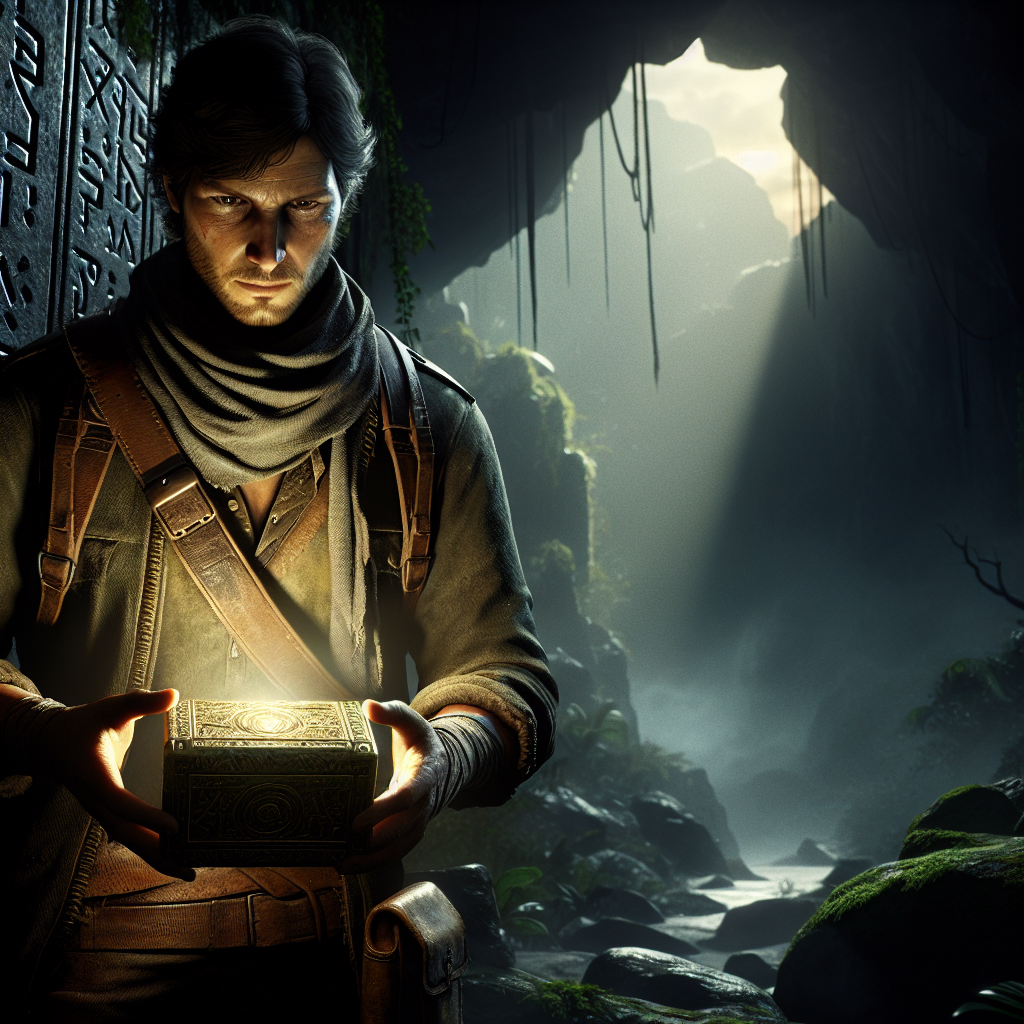
When Naughty Dog released “Uncharted 4: A Thief’s End” in 2016, it wasn’t just another addition to the ever-growing library of action-adventure titles; it was a revelation. The game not only concluded Nathan Drake’s exhilarating saga but also set a precedent for future video games. The meticulous craftsmanship embed in its storytelling, design, and gameplay mechanics has influenced subsequent games across various genres. Here’s a closer look at how “Uncharted 4” has shaped the future landscape of gaming.
Revolutionizing Storytelling in Video Games
One of the most lauded aspects of “Uncharted 4” is its storytelling depth, combining cinematic narrative with interactive gameplay. The game’s success lies in its ability to blend traditional cinematic techniques with interactive storytelling. A Thief’s End employs an emotionally engaging narrative that remains resonant with players, embellishing it with relatable characters, complex backstories, and impactful dialogues.
Notably, “Uncharted 4” weaves a tale of family, loss, and redemption, with Nate’s journey being as much about exploring cavernous ruins as it is about inner exploration. This narrative depth has become a benchmark, inspiring future games to invest in robust story arcs that provoke thought and emotional investment from players. Titles like “The Last of Us Part II” and “God of War” have adopted this comprehensive narrative style, proving that players yearn for story-driven experiences that make games unforgettable.
Pioneering Cinematic Experiences
“Uncharted 4” is a masterclass in blending cinematic elements with gameplay. The game showcases breathtaking cutscenes and set-pieces designed with intricate detail and motion capture technology. Naughty Dog’s attention to the cinematics transforms every scene into a live expression, where player actions seamlessly transition into cutscenes, maintaining immersion without breaking the rhythm of gameplay.
This approach has influenced many developers to prioritize cinematic quality in their own titles. Games like “Horizon Zero Dawn” and “Red Dead Redemption 2” exemplify the trend towards crafting experiences that mirror the grandeur of blockbuster films. The shift encourages the integration of advanced motion capture and animation technologies, pushing the limits of what video games can achieve visually and narratively.
Advancing Exploration and Environmental Storytelling
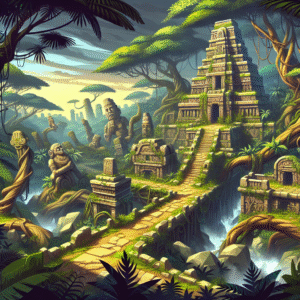
While action-packed set-pieces are a hallmark of the “Uncharted” series, “A Thief’s End” advances the concept of environmental storytelling, constructing levels rich with history and context. The game introduces expansive environments that reward exploration, inviting players to immerse themselves in visually mesmerizing locales brimming with lore.
This innovation has ushered in a new era of game design that emphasizes exploratory gameplay and environmental storytelling. Developers have recognized the potential of creating living worlds that tell stories beyond the main narrative. “The Legend of Zelda: Breath of the Wild” and “Ghost of Tsushima” are among the titles that have adopted similar philosophies, allowing players to uncover their stories through interaction with the world itself — a direct nod to Nathan Drake’s intrepid explorations.
Elevating Gameplay Mechanics and Puzzles
A significant aspect that sets “Uncharted 4” apart is its refined gameplay mechanics and integration of puzzles that complement the narrative. The seamless blend of combat, traversal, and puzzle-solving keeps the gameplay dynamic, providing a multitude of experiences that cater to varying player preferences.
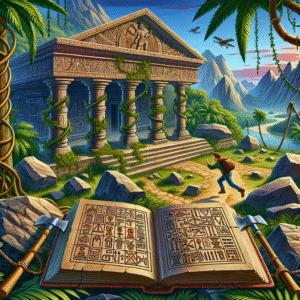
These mechanics have inspired future games to elevate their level designs and puzzle integrations, ensuring that each gameplay element has a meaningful purpose. The influence is apparent in titles such as “Tomb Raider” and “Assassin’s Creed Origins,” which incorporate physically engaging challenges and puzzles that augment their storytelling rather than merely acting as fillers.
Social and Multiplatform Gaming Impact
“Uncharted 4” made significant strides in engaging the multiplayer community with its competitively robust and well-regarded online mode. Introducing unique features such as mystical items and sidekicks, the game provides a fresh twist on traditional multiplayer formats.
This innovation has underscored the importance of creating multiplayer experiences that are not simply appended to single-player campaigns but are robust and standalone. Consequently, games like “Fortnite” and “Call of Duty: Warzone” have developed multifaceted multiplayer ecosystems that attract various player demographics and foster vibrant online communities.
Innovative Use of Technology and Graphics
The advanced graphics engine utilized by Naughty Dog in “Uncharted 4” demonstrates the pinnacle of visual fidelity through lifelike environments, character models, and lighting effects. The game’s striking visual presentation set a high bar for future releases, pushing companies to adopt the latest technology to enhance graphical performance and realism.
Developers are now investing heavily in next-gen capabilities, such as ray tracing and 4K resolution support, to emulate the precedent set by “Uncharted 4.” This has driven a competitive rush towards peak visual immersion seen in recent hits such as “Cyberpunk 2077” and “Spider-Man: Miles Morales.”
Promoting Inclusivity and Diverse Narratives
Lastly, “Uncharted 4” subtly integrates themes of diversity and inclusivity through its characters and story. The game presents powerful, multi-dimensional female characters and respects cultural contexts within its narrative, laying groundwork for a more inclusive gaming environment.
Following in “Uncharted 4’s” footsteps, developers have increasingly embraced diversity and representation, seeking to resonate with a broader audience. This cultural shift is evident in games like “The Last of Us Part II,” which champions LGBTQ themes, and the “Life is Strange” series, known for its exploration of identity and choice.
Conclusion: A Legacy of Transformation
The impact of “Uncharted 4: A Thief’s End” is not confined to its accolades and sales; it is seen in its profound influence on the gaming industry as a whole. By redefining narrative depth, cinematic quality, environmental exploration, and more, it set benchmarks that have become yardsticks for evaluating excellence in the domain. As developers continue to draw inspiration from Naughty Dog’s magnum opus, the legacy of “Uncharted 4” remains etched in the annals of gaming history, perpetually guiding the evolution of video games toward richer, more immersive experiences.







Post Comment