Infinite Runners: How Temple Run 2 Changed the Game
The Evolution of Infinite Runners: Temple Run 2’s Impact on the Genre
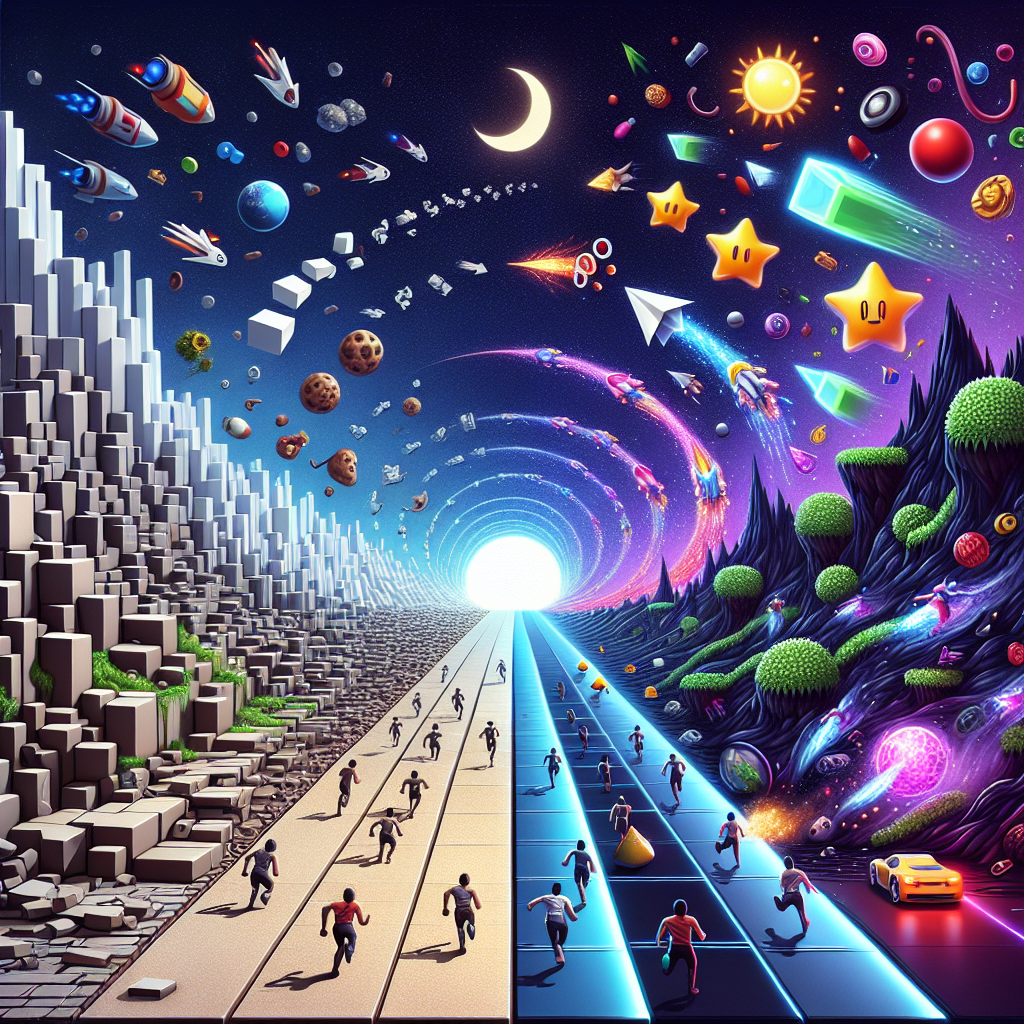
Most gamers are familiar with the adrenaline-pumping genre known as ‘infinite runners,’ characterized by endless play without level completion or end goals. These games focus on achieving the longest possible run while surpassing high scores. Among the various titles that inundate app stores, few have managed to stand out and make a significant impact. Temple Run 2, developed by Imangi Studios, is one such game that not only captivated millions but also redefined the infinite runner genre in numerous ways.
Origins and Predecessors
Prior to Temple Run 2, the foundation of infinite runners was built through early pioneers like Canabalt, which introduced players to the thrill of continuous running and jumping to avoid obstacles. Released in 2009, Canabalt was minimalist, fast-paced, and laid much of the groundwork for what would become a booming genre. However, Temple Run, launched in 2011, injected personality and new mechanics, thus heightening player engagement. Its emphasis on collectible coins, character upgrades, and power-ups offered more dimensions than the straightforward early titles.
Enhancements Over the Original Temple Run
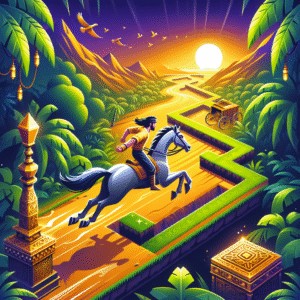
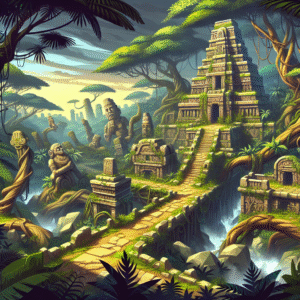
When Temple Run 2 emerged in January 2013, it presented a suite of enhancements and innovations that elevated the infinite runner experience. The graphics represented a significant upgrade, with visually appealing environments that transitioned seamlessly from jungles to mines to cliffs. This variety not only kept the player experience fresh but also upped the ante in terms of challenge and adaptability.
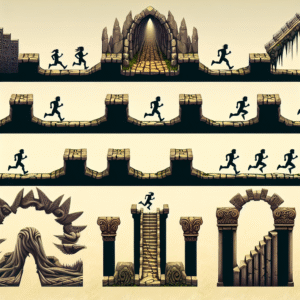
The inclusion of dynamic obstacles was another revolution. Temple Run 2 featured zip lines, mine tracks, and rotating blades, which required split-second decision-making skills beyond simple obstacle dodging. These elements expanded the narrative of an action-packed escape, allowing players to feel genuinely immersed in a cinematic adventure. The enhanced control mechanics, including tilt and swipe functions, also allowed for nuanced interactions, making the gameplay smoother and more intuitive.
Introducing Narrative and Characters
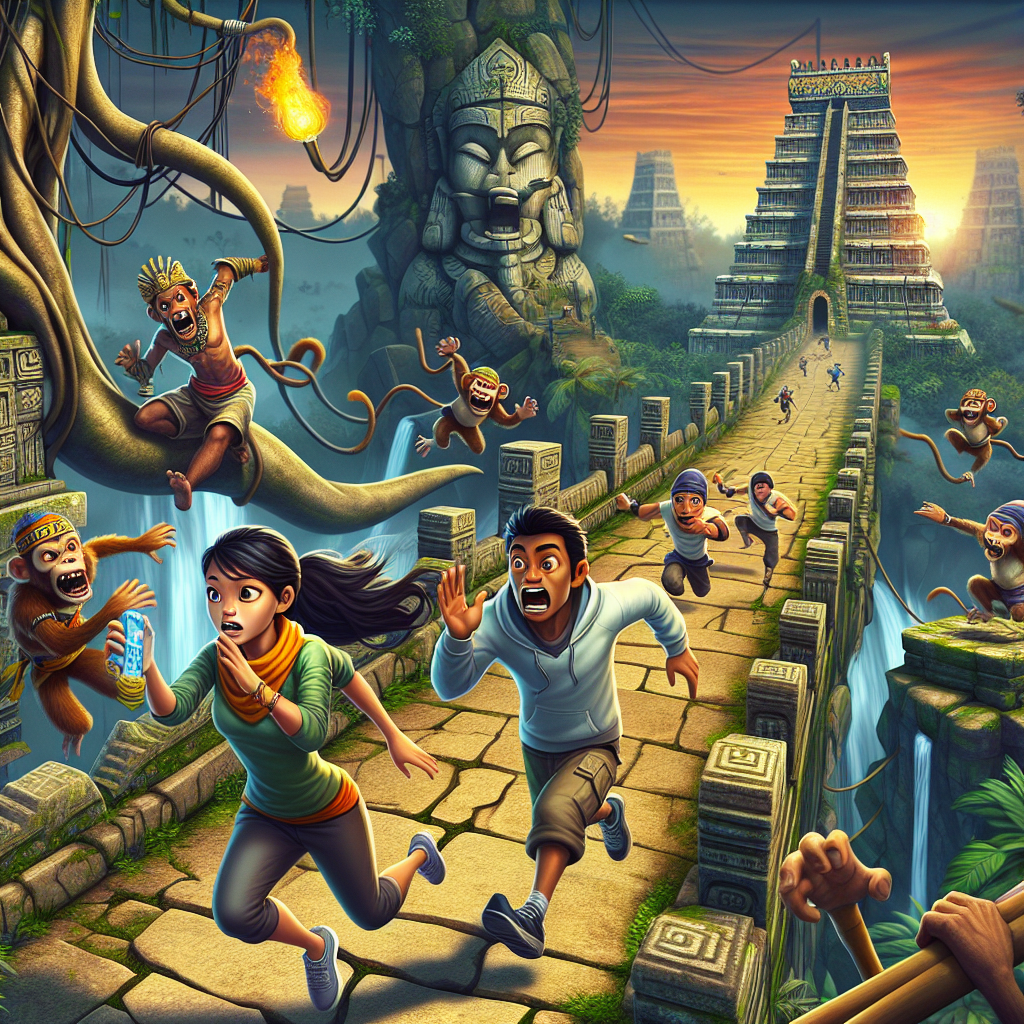
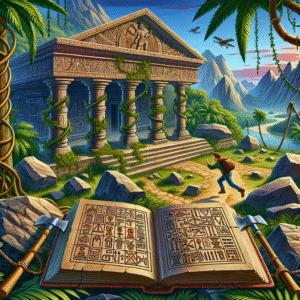
Another significant shift brought by Temple Run 2 was the introduction of a loose narrative structure and diverse characters. While earlier games in the genre provided little context for the endless sprint, Temple Run 2 employed a concept akin to an Indiana Jones-style escapade. The narrative was informal, centered on the player’s character escaping from demonic monkeys after stealing a cursed idol. This story, though simple, added purpose and a backdrop to the perpetual chase.
Character variety offered through in-game coins or purchases added an additional layer of engagement. Players could choose avatars with unique abilities, pushing them to strategize based on their chosen character’s strengths and weaknesses. Collectible artifacts scattered throughout the game further incentivized replayability, enabling players to unlock bonuses and enhance character attributes.
Monetization and Longevity
The monetization model introduced in Temple Run 2 was an intricate blend of free-to-play accessibility and in-app purchases, which ultimately became a standard within mobile gaming. By offering a game free of charge, Imangi Studios ensured a wide initial player base. Monetization through advertisement views and in-app purchases allowed players to expedite character upgrades or cosmetic changes, continually refreshing the experience for dedicated players without mandating expenditure.
Additionally, Temple Run 2 was adept at maintaining player interest through regular updates, events, and limited-time challenges that capitalized on seasonal themes or global events. This not only extended the life of the game but also built a community around it, where players were motivated to return regularly to conquer new challenges and beat personal high scores.
The Role of Social Features
One of the characteristics that highlighted Temple Run 2’s innovation within the genre was its integration of social features. Leaderboards and social media connectivity inspired competitiveness among friends and family, stirring players to improve their performances and boast their achievements. Such features tapped into the inherent human desire for competition and recognition, thereby fostering an ongoing cycle of engagement.
Impact on the Mobile Gaming Industry
The success and influence of Temple Run 2 cannot be understated within the context of mobile gaming. It demonstrated the viability of mobile devices as a platform for engaging, sophisticated games that rival traditional console and PC offerings in terms of complexity and narrative elements. Its design principles and monetization strategies have been emulated by countless other developers. Many infinite runners that followed adopted Temple Run 2’s blueprint, incorporating various terrains, customizable characters, and monetization techniques.
Temple Run 2’s entrance onto the scene marked a paradigm shift not just for its peers but also for the broader design and marketing strategies employed across mobile games. It is a testament to how a well-engineered game, capable of blending straightforward mechanics with user-centric features, can carve out a legacy and influence a genre for generations to come.
The Influence on Game Design
Temple Run 2 influenced design philosophy even outside mobile gaming. The purity of its mechanics, requiring only a touchscreen or simple device tilts, underscored how games with minimal control complexities could remain deeply engaging. Many console games have incorporated or been inspired by such mechanics in designing mini-games or alternate game modes, emphasizing ease of control yet maintaining depth in gameplay.
Moreover, the balance between skill and randomness within Temple Run 2 offered crucial insights into striking the optimal player experience. While skillful players could improve their performance with practice, the randomly generated course design ensured that no two games were identical, maintaining an element of surprise and continual challenge.
Continuing Legacy and the Future
Though the infinite running genre has faced saturation with numerous similar titles, Temple Run 2 continues to enjoy popularity, showcasing its enduring appeal. Its legacy is evident in the continuing refinement of gameplay features seen in new entrants to the genre, with innovations tailored to engage a modern audience.
Temple Run 2 undoubtedly shifted the paradigm, enriching the infinite runner prototype with nuance, intricacy, and a polished aesthetic that others foresaw. A glimpsing of future advancements in the genre could even see the integration of augmented reality or deeper narrative elements, elevating what Temple Run 2 pioneered: a taste for thrilling endless adventure, available with the swipe of a finger.




Post Comment