New Agent Analysis: How Valorant’s Latest Addition Changes the Meta
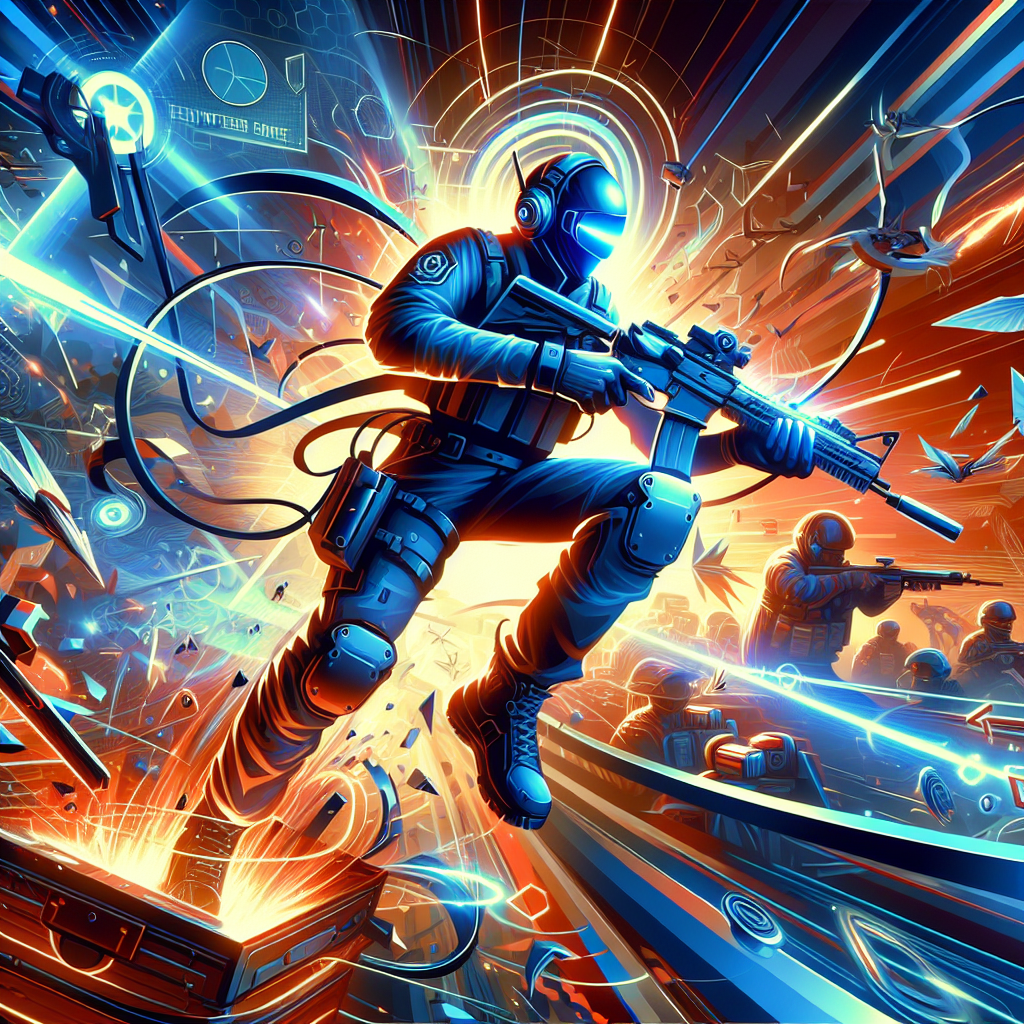
Valorant, the popular first-person tactical shooter developed by Riot Games, has continually evolved its meta with the addition of new agents, each bringing unique abilities and strategic depth to the game. The latest agent, codenamed Horizon, introduces a fresh dynamic that is set to change how players approach the game at both casual and competitive levels. At the core of Horizon’s design is a focus on area control and utility, contributing to shifts in team compositions, strategies, and counter-play tactics across the game’s diverse map pool.
Horizon’s Abilities Breakdown
To understand Horizon’s impact on the meta, it is crucial to examine their ability kit, which is designed around manipulating environments and restricting enemy movement. The abilities are as follows:
-
Nebula Grenade: This signature ability allows Horizon to deploy a smoke-like throwable that creates an opaque, spherical field, blocking vision and dangerous for opponents to walk through due to damage over time. Similar to Brimstone’s smokes but with added lethality, this tool is perfect for controlling chokepoints or denying key sightlines.
-
Gravity Well: Castable on walls and surfaces, this ability suspends enemies caught in its area in mid-air, rendering them vulnerable and disrupting their aim. The Gravity Well is exceptionally useful for site retakes or preventing enemy aggressors from pushing through narrow corridors.
-
Kinetic Wall: A deployable barrier that rises from the ground, blocking bullets and sightlines. Its strategic deployment not only provides cover but can also be used to section off portions of the map, isolating opponents or aiding executes.
- Celestial Surge (Ultimate): Horizon levitates momentarily, becoming invulnerable, and after a brief charge, releases a powerful shockwave that disorients and damages enemies within a significant radius. This ultimate is a versatile tool, ideal for breaking through defensive setups or reclaiming control over congested areas.
Impact on Team Composition and Strategy
The introduction of Horizon heightens strategic variety and adaptability in team compositions. Comparable to other control-type agents such as Viper and Omen, Horizon brings an offensive twist to area control. Teams must now weigh the utility of their selections, considering how Horizon’s unique abilities can complement or even replace established strategies.
Enhancing Defensive Play: Horizon enhances defensive play significantly. The ability to block sightlines and punish pushes with the Nebula Grenade and Gravity Well turns choke points into veritable traps. On defense-heavy maps like Bind and Split, Horizon can anchor a site single-handedly, making it difficult for attackers to execute plans without taking significant risks. Adjustments in defensive setups will revolve around maximizing Horizon’s capability to stall and deter.
Aggressive Executions and Site Retakes: Horizon’s tools are equally adept at facilitating aggressive executes. The Nebula Grenade serves as an excellent entry tool, cutting off enemy view and creating opportunities for explosive site control. Additionally, the Kinetic Wall provides temporary cover, giving attackers confidence as they push forward. During site retakes, Horizon’s Gravity Well can lift defenders from entrenched positions, allowing for cleaner and less contested re-entry into the site.
Synergy with Other Agents: Synergy plays a pivotal role in maximizing Horizon’s potential. Pairing Horizon with initiators like Sova or Skye, who can reveal enemy positions, can lead to devastating combos when combined with the Gravity Well. Duelist agents like Jett and Reyna benefit from the temporary covers Horizon can provide, allowing aggressive plays while minimizing exposure to enemy fire.
Meta Shifts and Counter-Play
The introduction of Horizon demands adaptation across all levels of play, from grassroots to professional esports. The distinct emphasis on area control challenges teams to devise counter-strategies and rethink default plays.
Countering Horizon’s Tactics: Effective counter-play against Horizon revolves around timing and positioning. Clearing Nebula Grenades with well-timed utility or baiting out the Gravity Well before committing can mitigate Horizon’s direct impact. Additionally, using agents with mobility tools, such as Raze’s Blast Pack or Jett’s Tailwind, offers avenues to evade Horizon’s more static zoning abilities.
Adaptation in Pro Play: At the professional level, Horizon’s introduction adds a new layer to the evolving meta. Teams renowned for their execution-heavy strategies will relish the control options Horizon provides. In contrast, teams focused on fast-paced, skirmish-heavy styles may need to adapt by incorporating more utility-focused agents to keep Horizon’s disruptive capabilities in check.
Map-Specific Changes: Horizon’s effectiveness varies across Valorant’s map pool. On open maps like Breeze, Horizon can struggle to impose as much pressure due to the expansive sightlines. Conversely, on tighter maps like Ascent, Horizon’s tools can entirely shut down certain areas, potentially changing how teams approach these environments. As players become more adept with Horizon, expect to see alterations in how specific maps are played, with teams focusing on exploiting or mitigating Horizon’s strengths.
Analytics and Community Feedback
The community’s reaction to Horizon offers additional insights into how Horizon influences the game’s ecosystem. Initial feedback highlights both excitement and concern regarding Horizon’s impact. Many players appreciate the strategic depth Horizon brings, offering new ways to shape engagements and control maps.
However, some players express worries about balancing issues. The damage and utility combined in abilities like Nebula Grenade could lead to scenarios where Horizon feels oppressive, potentially forcing teams to include specific counters or compositions that diminish meta variety.
Riot Games has a history of actively engaging with community feedback and is likely to monitor and adjust Horizon to ensure balanced play. This collaboration between developers and the player base is crucial in refining Horizon’s integration into the game.
Statistical insights will also be invaluable as the meta evolves. Data on Horizon’s pick rates, win rates, and effectiveness across different tiers will shed light on the agent’s influence, guiding adjustments and balancing as necessary.
Conclusion: A No-Summary Approach
In creating a strategy for integrating Horizon into gameplay, players must focus on understanding Horizon’s kit mechanics and synergy opportunities. Successful adaptation to Valorant’s dynamic meta is crucial, as new agents like Horizon necessitate both flexibility and strategic depth, influencing the landscape of competitive play and ensuring the game’s continued growth and evolution.












Post Comment