XCOM 2: Strategies for Mastering the Alien Threat
Understanding the Game Mechanics
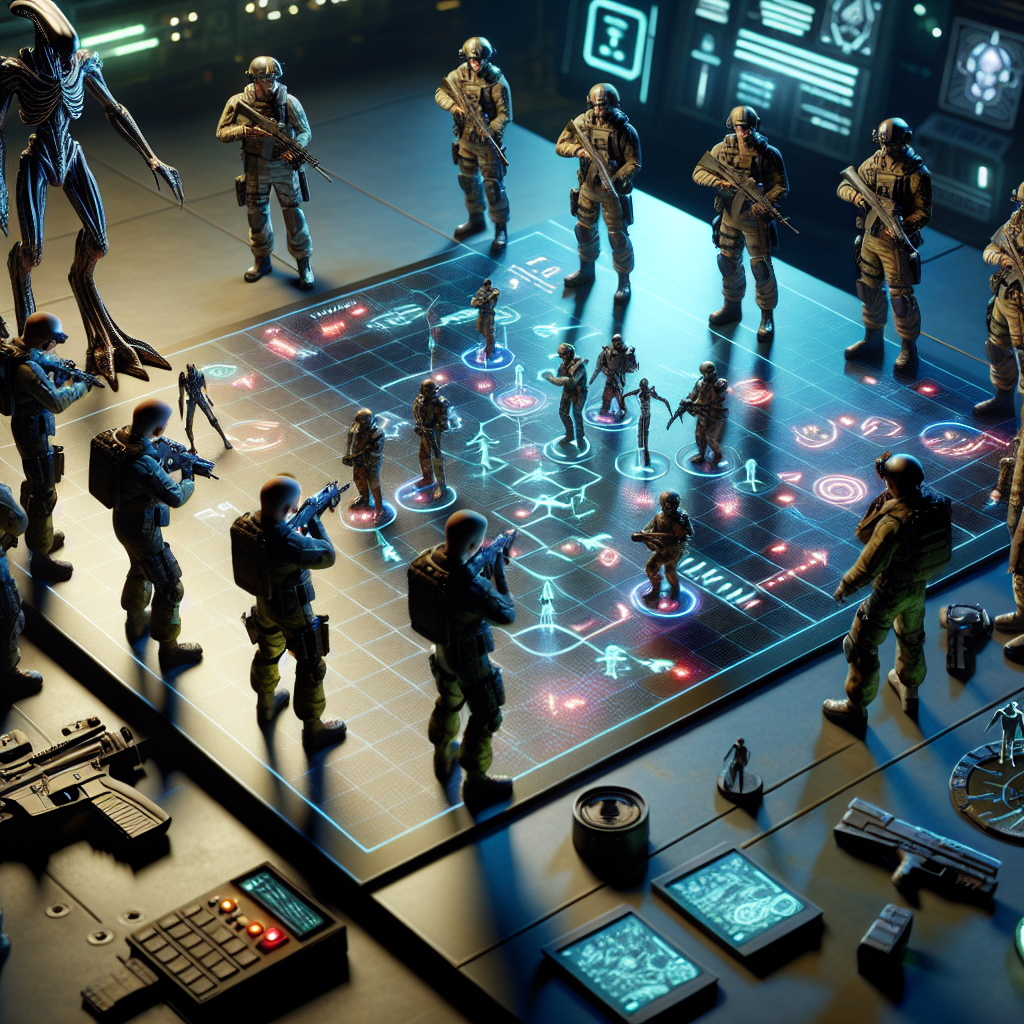
XCOM 2, the renowned turn-based strategy game developed by Firaxis Games, places players in a gripping scenario where they command the remnants of humanity against an alien occupation. Success in XCOM 2 requires a deep understanding of its intricate mechanics. Players must be adept in tactical combat, base management, research priorities, and soldier development.
The turn-based tactical gameplay is XCOM 2’s core, where positioning, cover, aim percentages, and special abilities dictate the flow of battle. Players alternate turns with enemy forces, attempting to clear objectives, eliminate threats, and minimize casualties. Each decision can have far-reaching consequences, making it essential to understand cover mechanics, which involves half and full cover indicators that decrease enemy hit chances. Similarly, high ground provides tactical advantages by increasing aim and critical hit opportunities.
Strategic Base Management
Base management in XCOM 2 is another critical layer where strategic depth plays a significant role. Players start with the Avenger, a mobile base requiring expansion and upgrades. Efficiently managing resources such as supplies, intel, and alloys is crucial. Prioritizing facility construction is essential; for instance, building the Guerrilla Tactics School early allows players to increase squad size, thereby enhancing mission success rates. Additionally, the Proving Grounds offer experimental weapons and armor that can provide significant advantages during missions.
Power management is vital since the Avenger’s facilities consume energy. Thus, constructing power relays and maximizing adjacency bonuses is beneficial. Players must also choose when to make contact with new regions judiciously. Expanding influence increases resources but requires strategic allocation of intel, ensuring continuous operation flow.
Prioritizing Research and Development
Research and development are pivotal for gaining an edge over alien forces. Players should focus on early weapon upgrades and armor research to improve survivability and combat effectiveness. Magnetic weapons are a crucial stepping stone, significantly increasing damage output. As the game progresses, beam weapons further amplify firepower, essential for combating stronger alien types.
Armor development shouldn’t be neglected. Predator armor, while eventually overshadowed by Warden armor, provides necessary protection and can equip additional utility items. Diversifying technology research can provide situational advantages. Psionics, for instance, unlocks powerful abilities that can turn the tide of combat but often come at a higher resource and time cost.
Leveraging Soldier Development
Soldier development is an indispensable part of XCOM 2. Soldiers gain experience through combat, gradually unlocking abilities across various classes: Ranger, Grenadier, Specialist, Sharpshooter, and Psi Operative. Balancing these classes ensures versatility and readiness for any mission scenario.
The Ranger class excels in reconnaissance and close-quarters combat. Abilities like Conceal and Run and Gun allow for aggressive strategies, making it vital to pair Rangers with durable armor to mitigate risk. Grenadiers serve as explosive experts, ideal for crowd control and cover destruction. Grenades and shredding abilities make them indispensable against armored adversaries.
Specialists provide support through healing and hacking. Combat Protocol and Aid Protocol abilities can mean the difference between victory and failure, emphasizing the importance of medikit improvements. Sharpshooters, the snipers of the squad, offer long-range eliminations and are most effective from elevated positions. Their capabilities to scout and target enemies before engagement are invaluable.
Tactical Mission Execution
Mission execution requires careful planning and adaptability. Players should always assess mission objectives and prioritize actions that align with strategic goals. Engaging the enemy from cover, utilizing overwatch to defend positions, and flanking maneuvers are key combat strategies. Concealment mechanics allow for ambush set-ups, granting initial engagement advantages.
It’s crucial to adapt to mission-specific challenges, like timed objectives, which place additional stress on maneuvering swiftly and efficiently. Choke points and narrow paths can be utilized to create traps or ambushes against advancing alien forces. However, players must avoid overextending squads, as reinforcements can arrive unexpectedly, turning the tide against an unprepared team.
Countering The Alien Threat
As players advance, alien tactics and units become more formidable. Recognizing enemy patterns and behaviors contributes to crafting effective counter-strategies. Mutons and Sectopods demonstrate varied threats; while Mutons excel in melee and suppressive resistance, Sectopods require concentrated firepower to neutralize their overwhelming presence. Utilizing EMP Grenades and bluescreen rounds can prove effective against robotic enemies, exploiting their vulnerabilities to disable or severely impair them.
Managing the Avatar Project becomes imperative as players progress. Each mission against alien facilities and dark events delays the project, buying valuable time for players to strengthen forces. Guerilla Ops offer opportunities to counteract dark events, presenting decisions with variable rewards that influence the global status and advancing the overarching story.
Efficiently Utilizing Guerrilla Warfare and Stealth
Guerrilla warfare and stealth mechanics can offer substantial strategic advantages. Certain missions allow players to bypass enemy patrols or set ambushes, thanks to the concealment system. Understanding patrol patterns and utilizing silenced weapons can neutralize threats without alerting nearby forces. Rangers and soldiers with Phantom abilities can maintain concealment even when the squad is exposed, functioning as critical observers for future encounters.
Strategic retreats or evasion maneuvers can also reposition squads to more advantageous locations, reducing the risk of overwhelming encounters. Intelligent use of the environment, such as explosive barrels, can turn the battlefield to the player’s advantage, inflicting damage across enemy lines with minimal exposure to direct threats.
Adapting to Dynamic Challenges
XCOM 2 is designed with unpredictability in mind. Procedural generation ensures no two missions are identical, requiring players to adapt strategies continually. Each campaign presents a fresh challenge with different mission layouts, enemy placements, and environmental conditions.
This dynamic nature demands flexibility in squad composition and tactics. Continually reassessing threat levels and altering attack plans can mitigate unforeseen developments like ambushes or activation of dormant enemy pods. In-depth knowledge of enemy strengths, weaknesses, and AI behaviors contributes significantly to crafting adaptive strategies that meet escalating threats head-on.
Utilizing Mods and Community Content
XCOM 2’s modding community provides an abundance of resources that can enrich gameplay and provide further depth or customization to one’s campaign. Mods can range from user-interface improvements and visual enhancements to expanded content incorporating new classes, enemies, or mission types. The Long War 2 mod, for instance, overhauls the game with extended campaigns, revised mechanics, and more complex strategic layers, offering seasoned players an additional level of challenge.
Players seeking a tailored experience may benefit from exploring mod collections that align with their preferred playstyle or difficulty level. Testing different mods promotes innovation in how players approach existing mechanics and strategies, allowing for personalized gameplay experiences that enhance engagement and replayability.
Leveraging Squad Synergies
Promoting unit synergy amplifies combat effectiveness, often culminating in overwhelming victory scenarios. Soldiers with complementary abilities can execute powerful combos; for instance, using a Specialist’s Haywire Protocol to disable a robotic enemy, followed by a Grenadier’s powerful explosives to finish it off, capitalizes on both classes’ strengths.
Coordinating actions such as cover destruction by Grenadiers, subsequently exploited by Sharpshooters to eliminate exposed targets, highlights strategic planning. Synergies between different soldier classes, abilities, and equipment lead to efficient execution of high-risk maneuvers with minimal exposure to retaliatory fire, gradually tilting the combat balance in favor of players.
Incorporating Feedback and Iteration
As players invest more time into XCOM 2, learning from past encounters becomes vital in refining strategies. Analyzing mission debriefs, casualty reports, and outcome evaluations aids in understanding what tactics worked, what didn’t, and why specific approaches succeeded. Iteration on past experiences contributes to developing a personal tactical doctrine that accounts for individual playstyle tendencies and strategic preferences.
Tailoring decisions based on gathered data promotes continual improvement, fostering a cycle of learning that enhances proficiency over successive campaigns. The culmination of this insight and adaptation inevitably leads to achieving mastery over the alien threat that XCOM 2 presents.













Post Comment