Understanding Valorant’s Ranking System: A Player’s Guide

Valorant, developed by Riot Games, has taken the gaming community by storm since its release with its blend of tactical shooting and unique agent abilities. One of the most intriguing aspects for players looking to test their skills and climb the competitive ladder is understanding the intricacies of Valorant’s ranking system. As players look to improve their game, grasping the nuances of this system is critical.
The Basics of Valorant’s Ranking System
Valorant’s ranking system is divided into several ranks, each representing a tier of skill level. Players start their journey at the unranked level, entering the competitive queue after completing a set of placement matches. These initial matches determine the starting rank based on performance, both individually and as part of a team.
The main ranks in Valorant are as follows:
- Iron
- Bronze
- Silver
- Gold
- Platinum
- Diamond
- Ascendant
- Immortal
- Radiant
Each of these ranks, except for Radiant, is further divided into three tiers (e.g., Iron 1, Iron 2, Iron 3), representing a more granular skill level within each rank. Radiant stands as a unique tier, symbolizing the apex of competitive play, reserved for the top 500 players in each region.
Placement Matches and Rank Ascension
When new to the competitive mode, players must complete five placement matches. The outcomes of these games establish their initial rank, but it’s not just about winning. The system takes into account individual performance metrics such as kill-death ratio, assists, bomb plants, and defusals. This ensures that a player’s contribution to the team is reflected in their starting position, offering a personalized assessment of skill.
Once ranked, players progress through the tiers by earning Rank Rating (RR) points. Winning a match increases RR, while losses decrease it. Consistency in performance accelerates ascension through the ranks. It’s crucial to understand that moving up a tier requires exceeding 100 RR points, while dropping below 0 RR can result in demotion.
Performance Factors and MMR
Valorant’s ranking system uses a Matchmaking Rating (MMR) that operates behind the scenes, detached from the visible rank. This hidden metric evaluates a player’s true skill level, influencing how much RR they gain or lose after each match. Outstanding performances, especially against higher-ranked opponents, can boost MMR significantly. Conversely, poor performances might hinder ranking progress, reflecting a discrepancy between visible rank and perceived skill.
The Importance of Consistency and Adaptability
Climbing in Valorant requires a steady hand and adaptability. The system favors players who consistently perform well across matches. This means that even if a team loses, a player displaying remarkable individual skill may experience less of an RR decrease, preserving MMR integrity. For players aiming for higher ranks like Immortal or Radiant, honing map knowledge, mastering various agents, maintaining situational awareness, and effective communication are key components.
In-Game Roles and Team Dynamics
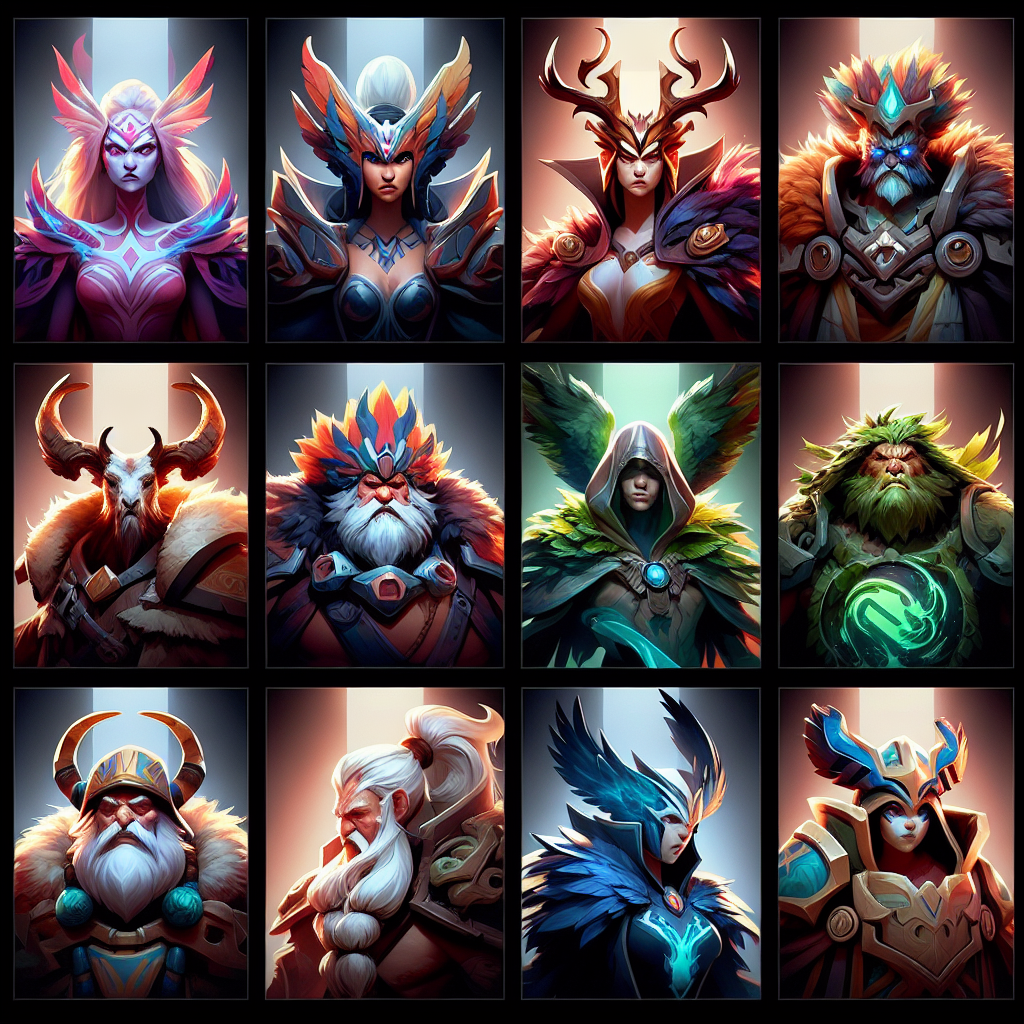
Valorant teams are composed of different agents, each filling specific roles such as Duelists, Initiators, Sentinels, or Controllers. A balanced team composition is crucial for strategic success. Understanding and effectively playing one’s role not only enhances a player’s contribution to the team but also impacts rank progression. A Sentinel, for instance, might not have high frag rates but can significantly influence the game’s outcome through area control and tactical support.
Rank progression is also contingent on understanding team dynamics. Players should develop an awareness of collective gameplay and communication. This involves sharing information effectively, coordinating strategies, and capitalizing on team strengths while mitigating weaknesses. Adaptability is key, as each match presents unique challenges that require players to adjust their strategies dynamically.
Dealing with Competitive Pressure
Valorant’s competitive environment can be intense. Managing the psychological aspects of gameplay is essential for maintaining the focus needed to climb the ranks. Remaining calm, fostering a positive mindset, and learning from losses are critical to sustained improvement. Adapt effectively to high-pressure situations to turn them into opportunities for growth.
Effective Strategies for Rank Improvement
Players aspiring to ascend the ranks should focus on specific strategies:
-
Agent Mastery – Specializing in a handful of agents and understanding their abilities in detail provides a competitive edge. Knowing when and how to use an agent’s skills can turn the tide of a match.
-
Map Control and Positioning – A deep understanding of maps allows players to control key areas, setting up advantageous engagements. Knowing common angles and positions enhances strategic positioning.
-
Communication – Clear, concise communication can dramatically improve team coordination. Callouts, strategic discussions, and the ability to provide and respond to feedback are indispensable.
-
Review and Reflect – Regularly reviewing match replays can help identify areas for improvement. Players should analyze both their gameplay and that of higher-ranked matches to gain insights into advanced strategies.
- Continuous Learning – Staying updated with game patches, meta shifts, and new strategies keeps a player competitive. Engaging with community discussions, watching professional streams, and participating in forums can provide invaluable insights.
Avoiding Common Pitfalls
To maintain upward momentum, players should be mindful of common pitfalls. Solo queueing can present challenges due to uncertain team dynamics, making it difficult to execute coordinated strategies. Forming a regular team can help mitigate this and lead to more cohesive gameplay. Additionally, players must be cautious of tilting—becoming emotionally driven by frustration. This often results in irrational decision-making and decreased performance.
Understanding when to take breaks is essential; continuously playing despite rising frustration often leads to burnout. Moreover, setting realistic and incremental goals ensures that the pursuit of higher ranks remains manageable and enjoyable.
The Role of Updates and Community Influence
Valorant is a dynamic game, frequently updated with balance patches, new agents, and maps. The ranking system also undergoes adjustments based on player feedback and game developments. Engaging with the community through forums or social media can offer insights into adapting to these changes, ensuring continued relevance in the competitive scene.
Valorant’s ranking system is a structured yet complex framework designed to assess and reflect a player’s skill level in a fair manner. Understanding its intricacies involves recognizing the blend of individual performance, team dynamics, and strategic depth that the game offers. Mastery of these elements, coupled with mental resilience and adaptability, paves the way to climb the rank ladder efficiently.










Post Comment