Understanding Free Fire’s Game Mechanics for Beginners
Understanding Free Fire’s Game Mechanics for Beginners
Garena Free Fire stands as one of the most popular battle royale games across the globe, capturing the attention of millions due to its fast-paced gameplay and mobile-friendly interface. For beginners, grasping the fundamental game mechanics is crucial to rise through the ranks and enjoy the game to its fullest potential. This guide delves into the essential aspects of Free Fire’s mechanics, offering insights into various systems and strategies that can significantly enhance a player’s performance.
1. The Basics of Landing
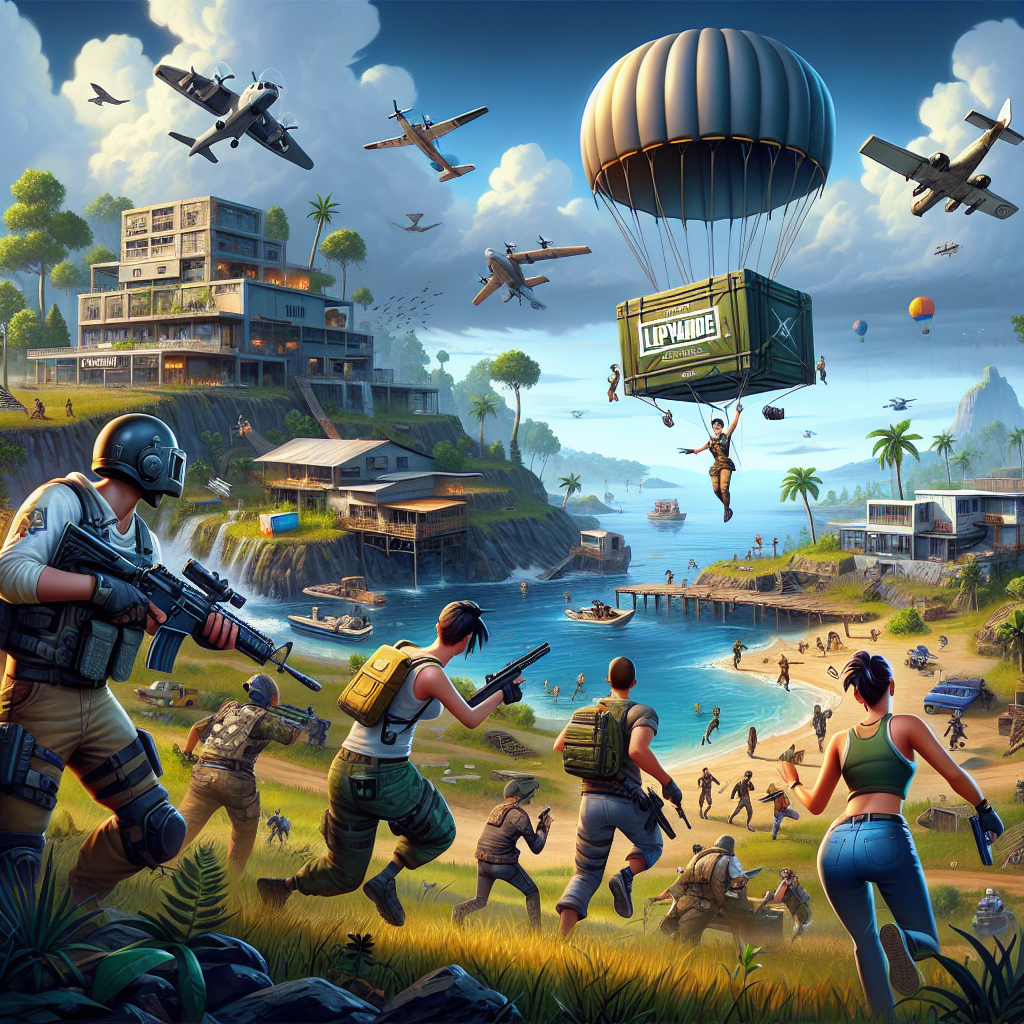
In Free Fire, the match begins with players parachuting onto the selected map. Understanding the landing mechanics can provide a strategic advantage. Players should consider the flight path of the plane and decide whether to land in a densely populated area for immediate combat or a more secluded spot to gather resources stealthily. It is essential to familiarize oneself with the map layout, identifying important landmarks, loot hotspots, and potential safe zones.
2. Looting and Resource Management
After landing, the first objective is to gather weapons, armor, and resources. Free Fire offers a wide array of equipment ranging from assault rifles and shotguns to grenades and ammunition. Players must prioritize acquiring the essential loadout — a good mix of long-range and close-quarter weapons ensures versatility in combat. Armor and helmets are vital as they help absorb damage, increasing your survivability. Additionally, backpacks enable players to carry more items, facilitating better resource management.
3. Comprehending the Safe Zone and Danger Zone
Free Fire’s map gradually constrains players to a shrinking safe zone, marked by a white circle on the map. Regularly checking the map is crucial to avoid being caught outside the safe zone, which can cause detrimental damage over time. On the other hand, the danger zone is a red area that signals impending bombardment. Entering these zones can be lethal, so players should find shelter promptly if caught outside in a danger zone.
4. Understanding the Objective: Be the Last Standing
The primary goal in Free Fire is to be the last player or team standing. As the game progresses, strategic positioning becomes increasingly important. Players should utilize the terrain and structures effectively, taking advantage of high grounds or cover to outmaneuver opponents. The dynamic map design, complete with obstacles and buildings, necessitates constant vigilance and adaptability.
5. Mastering Character Abilities
Free Fire introduces a unique feature: character abilities. Each character possesses a special skill that can provide a tactical edge. For instance, characters like DJ Alok can heal and increase movement speed for themselves and nearby allies, while Moco can mark enemies for a limited time. New players should experiment with different characters to find abilities that complement their playstyle while also considering team synergy in squad games.
6. Art of Combat and Engagement Tactics
Combat in Free Fire requires precision and practice. It’s vital for beginners to hone their aiming skills through regular gameplay and practice sessions. Players should also delve into the mechanics of different weapons. Understanding recoil patterns and optimal burst firing techniques can make the difference in firefights. Furthermore, learning to switch between weapons swiftly and utilizing grenades can create tactical advantages during engagements.
7. Importance of Communication in Squad Play
When playing in squads, communication is a cornerstone of success. Effective communication helps in sharing vital information such as enemy positions and tactics. Utilizing in-game voice chat or quick messages can coordinate strategies seamlessly. Team-based strategies, such as flanking enemies, sharing resources, and reviving fallen teammates, can turn the tide of battles in your favor.
8. Utilizing Vehicles
While on-foot mobility is predominant, vehicles can play a strategic role in Free Fire. They are excellent for quick rotations and escaping dangerous spots but often draw attention due to their noise. Players must weigh the risk versus reward when using vehicles, ensuring the timing and context are right to avoid falling into enemy ambushes.
9. Free Fire’s Economy: In-Game Currencies and Purchases
Understanding Free Fire’s economy is essential for progression. Players can earn in-game currencies like gold and diamonds, used to purchase characters, cosmetic items, and upgrade weapons. New players should focus on economical resource management rather than spending lavishly on non-essential items to ensure long-term progression.
10. Regular Updates and Patch Notes
Free Fire consistently evolves through updates that introduce new features, balance changes, and maps. Staying updated with patch notes allows players to adapt quickly to meta shifts and understand new gameplay mechanics or character adjustments. Engaging with community forums and watching tutorials can also provide additional insights and strategies.
11. Learning from the Community and Content
Free Fire boasts a vibrant community of content creators who regularly upload guides, gameplay footage, and tutorials. Beginners can benefit immensely by watching skilled players and learning advanced tactics and tips. Platforms like YouTube and Twitch are excellent resources for sourcing high-quality content.
12. Practice Makes Perfect: Training Grounds
Finally, utilizing the game’s training grounds is crucial for beginners seeking to improve their skills. It provides an opportunity to practice aiming, test out new weapons, and experiment with different character abilities without the pressures of a live match.
By investing time in understanding and mastering these mechanics, beginners can transform their Free Fire experience, achieving better performance and higher enjoyment levels. Whether playing solo, in duos, or squads, informed decisions and strategies can substantially raise your chances of survival and victory.












Post Comment