Uncharted 4: A Thief’s End’s Impact on Character-Driven Games

Uncharted 4: A Thief’s End, released in 2016 by Naughty Dog for the PlayStation 4, represents a remarkable feat in videogame storytelling by blending rich narratives with action-packed gameplay. This game not only serves as a crowning achievement in the Uncharted series but has significantly influenced the landscape of character-driven video games. With its emphasis on deep character development, complex relationships, and moral dilemmas, Uncharted 4 set a new standard for what players could expect from narrative experiences in the gaming industry.
At the heart of Uncharted 4’s impact is its protagonist Nathan Drake, a character who transcends the oftentimes one-dimensional nature of action-adventure video game heroes. In this installment, players witness the culmination of Drake’s journey, delving into his past as well as his emotional struggles and evolution as a character. The game begins with Drake having left his fortune-hunting days behind, attempting to lead a normal life with his wife, Elena. This setup creates a relatable conflict; a man torn between past adventures and future promises. Such complex character arcs are a defining feature of narrative-driven games, bringing a level of emotional depth that captures player investment.
The introduction of Nathan’s estranged brother, Samuel Drake, adds another layer of complexity, affecting Nathan’s motivations and decisions. This family dynamic is critical as it explores themes of loyalty, guilt, and redemption. The nuance in their relationship reflects the authenticity of real-life familial bonds, thereby increasing player immersion and empathy. Samuel’s reappearance shakes the foundations of Nathan’s new life, indicating how past choices can resurface and challenge present commitments—a narrative technique that elevates character-driven storytelling.
A significant contribution to Uncharted 4’s success is its masterful use of dialogue and voice acting. The game’s script is meticulously crafted, delivering witty, relatable, and emotionally charged exchanges that bring the characters to life. This level of detail, attributed to accomplished voice actors such as Nolan North and Troy Baker, ensures that each character interaction feels genuine and compelling. These powerful narratives demonstrate the role of dialogue in creating memorable characters and storylines, serving as a benchmark for future games seeking to enhance character depth and emotional engagement.
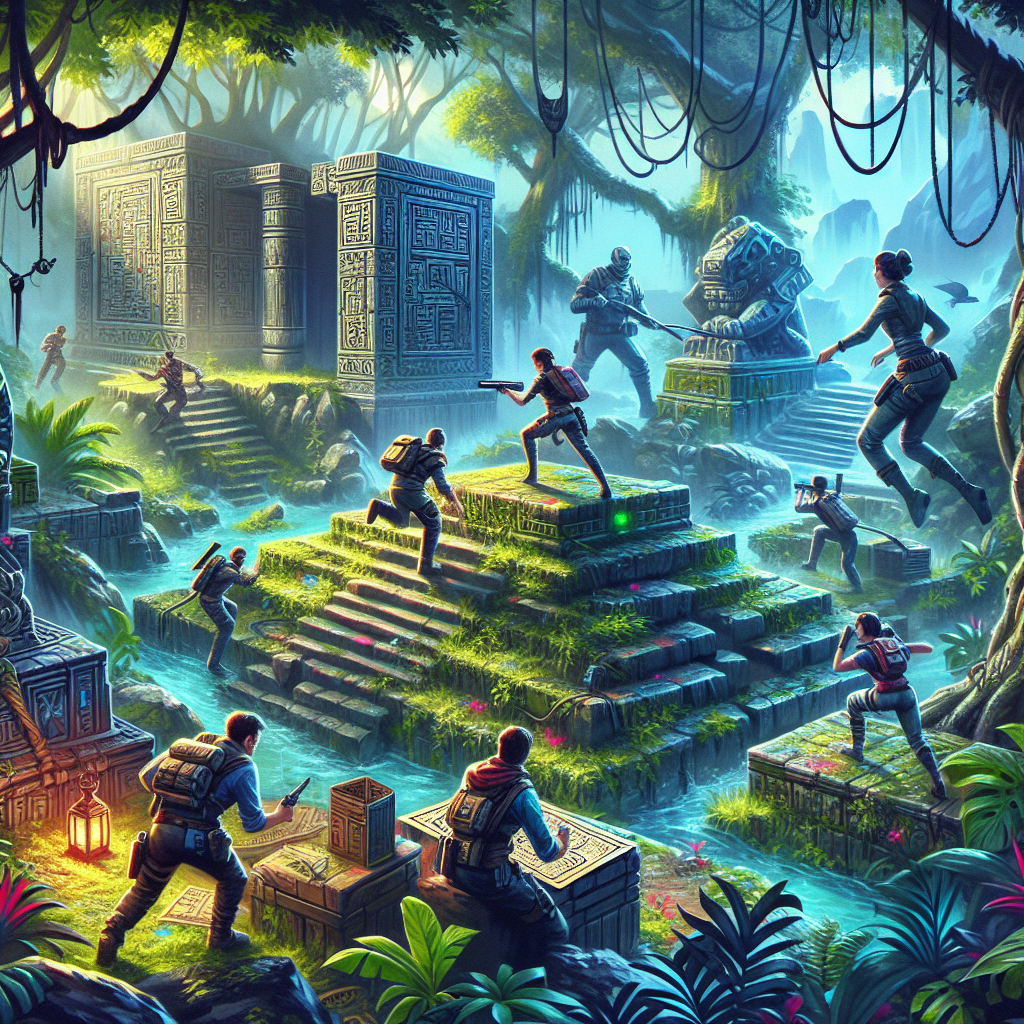
Moreover, Uncharted 4 emphasizes environmental storytelling, another hallmark of character-driven games. The intricately designed locations not only serve as backdrops for thrilling adventures but also as extensions of the narrative. Each locale provides insights into character backstories and broader lore without relying on expository dialogue. Subtle environmental clues and artifacts found during exploration allow players to piece together stories actively, fostering a deeper connection to the game world and its inhabitants. This approach is now a staple in many contemporary games, encouraging developers to embed narrative elements seamlessly into gameplay.
The breathtaking visuals in Uncharted 4 further accentuate its character-driven experience. The highly detailed characters and expressive facial animations afford subtlety in emotional expression rarely seen in the gaming industry. Players witness every nuance of Nathan Drake’s internal conflict, from furrowed brows to hesitant smirks, which adds layers to his persona. The technological advancements achieved in rendering these expressions have influenced other game developers to prioritize similar lifelike portrayals, enriching character-driven stories across the industry.
Uncharted 4 innovatively tackles moral dilemmas that challenge characters and players alike. The story forces Nathan to make choices that impact not only his life but also those of his loved ones. These moral quandaries simulate real-life decision-making and raise questions about the consequences of one’s actions. Players are often placed in positions where they must weigh personal desires against ethical considerations. Such scenarios invite reflection on broader philosophical themes, driving home the point that compelling characters are those who deal with relatable, human issues.
An often-overlooked element in Uncharted 4 is its subtle exploration of legacy and identity. As Nathan grapples with his past and its influence on his present, he also contemplates the legacy he wishes to leave behind. This introspective journey resonates with players who, like Nathan, may find themselves questioning their own impact and purpose. By focusing on such universal themes, Uncharted 4 transcends its genre, appealing to a wider audience beyond traditional gamers. This thematic richness sets a precedent for character-driven games aiming to deliver narrative depth and personal resonance.
The cooperative dynamic between the brothers, Nathan and Samuel, functions as an allegory for the importance of relationships in character development. Their cooperative interactions during gameplay—solving puzzles, navigating treacherous terrains, and engaging in combat—underscore the importance of teamwork and trust. By intertwining these elements with the narrative, Uncharted 4 effectively showcases how gameplay mechanics can reinforce character themes, encouraging future games to integrate narrative and mechanics more holistically.
One cannot discuss Uncharted 4’s impact without acknowledging its influence on the broader gaming industry. The success of its character-driven approach has encouraged developers to invest in similar projects, blending engaging narratives with interactive elements. Games like The Last of Us Part II, also developed by Naughty Dog, exemplify this trend, offering stories that delve into the human psyche and explore profound emotional experiences. This shift towards narrative-focused storytelling has expanded the role and potential of video games as a medium for artistic expression.
In addition to inspiring narrative depth, Uncharted 4 has made a cultural impact by challenging traditional gaming norms regarding protagonists and storytelling. It paved the way for more inclusive narratives that feature diverse characters dealing with multifaceted issues. This progression towards inclusivity has catalyzed the creation of games that reflect and celebrate a broader spectrum of human experiences, inviting a more diverse audience to engage with video games as a form of interactive art.
Finally, Uncharted 4’s legacy is evident in its ability to engender emotional connections between players and characters. By crafting a story where characters’ emotional truths are paramount, the game extends beyond entertainment, touching upon the shared human experience. This emotional resonance is a testament to the power of character-driven narratives in the gaming industry, perpetuating a cycle where meaningful stories inspire empathy, understanding, and reflection in players.










Post Comment