The Science of Sound in Counter-Strike 2
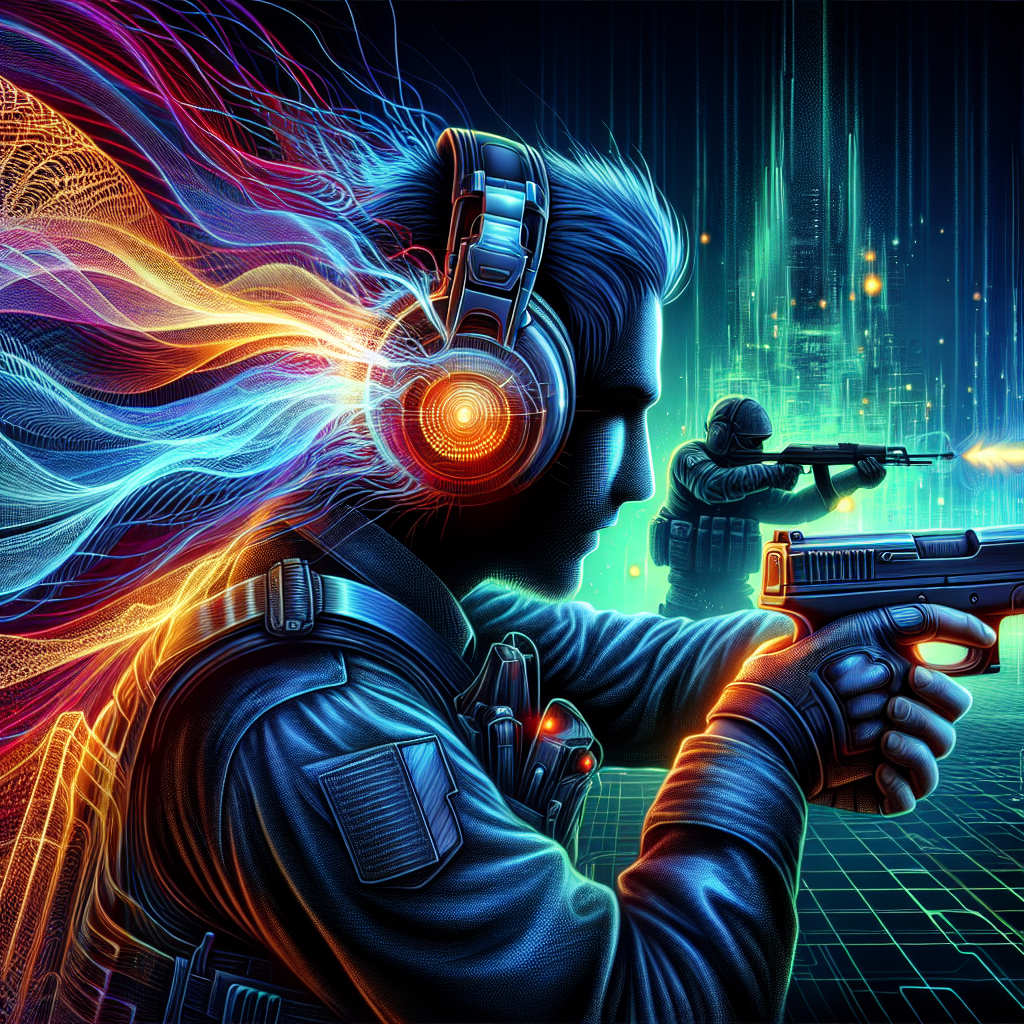
Understanding the science of sound in Counter-Strike 2 is crucial for players aiming to enhance their gameplay. This feature, meticulously designed, transforms auditory cues into strategic advantages, augmenting the immersive experience that Counter-Strike 2 offers. Sound, a fundamental aspect of this game, influences decision-making, positioning, and strategy execution. The intricacy of the sound system in Counter-Strike 2 can be broken down into various components that include the development process, sound propagation mechanics, user experience, and strategic deployment.
Sound design in Counter-Strike 2 begins with a comprehensive development process. Developers engage in meticulous planning and execution to ensure that the auditory elements align with the game’s realistic environment. They record real-world sounds using high-fidelity microphones and implement layers of audio complexity, ensuring each sound is distinctive and recognizable. For instance, the sound of gunfire is recorded from various distances and angles to capture natural variations that reflect different tactical situations. This attention to detail allows players to identify the type and direction of gunfire, granting them a tactical edge.
A crucial aspect of sound in Counter-Strike 2 is sound propagation. It is the way sound travels within the game’s environment, providing players with spatial awareness. The sound propagation system simulates how sound interacts with different materials and structures. For example, sounds behave differently when passing through doors, walls, or open spaces. This variance in auditory cues offers players information about enemy positions and movements. Advanced algorithms ensure that sound reflection, absorption, and diffraction mimic real-life physics, enhancing a player’s ability to interpret these cues accurately and adjust their strategies accordingly.
Spatial audio technologies take center stage in Counter-Strike 2, offering a three-dimensional sound experience that is both immersive and strategically beneficial. This system employs advanced 3D sound algorithms to create a realistic auditory landscape. Players with surround sound headphones or advanced stereo setups gain a more accurate sense of directionality. The right audio setup means players can detect footsteps, identify which direction they are coming from, and determine the distance to the source of the sound. This information can mean the difference between life and death in competitive scenarios.
In terms of user experience, the sound system in Counter-Strike 2 is designed to be intuitive. Developers ensure that sound levels are balanced, preventing any auditory element from overpowering another. This balance is crucial for players to process multiple audio cues simultaneously without being overwhelmed. Furthermore, the game allows players to tweak audio settings according to their preferences, ensuring accessibility for all types of players. Professional gamers might opt for a more detailed audio mix, while casual players can choose a simplified version.
Strategically, sound is used as a tool for deception and misdirection in Counter-Strike 2. Players proficient in sound strategies use this feature to their advantage. For example, throwing a grenade can serve the dual purpose of damage and distraction. The explosion sound may lead opponents to focus on the location of the sound, allowing for flanking maneuvers. Additionally, experienced players use ‘sound masking,’ where louder sounds are used to cover up other actions, such as weapon reloading or repositioning. This level of strategic depth adds another layer to the competitive landscape.
Sound is also integral in communication and teamwork within Counter-Strike 2. Clear and concise sound design ensures that teammates can rely on audio cues to coordinate actions flawlessly. For instance, in high-stakes situations, the sound of a defusal kit or the distinctive noise of a planted bomb alerts team members, prompting immediate collaborative action. Teams often develop coded audio cues to maintain stealth and efficiency, minimizing verbal communication to prevent giving away strategy or position.
Moreover, environmental sounds in Counter-Strike 2 play an essential role in the gaming experience. Maps are designed with unique soundscapes that reflect their aesthetic and thematic elements. From the bustling noise of a cityscape to the subtle ambiance of a desert environment, these sounds contribute to the player’s immersion and situational awareness. They provide an additional layer of non-verbal storytelling, further drawing players into the game’s universe. Ambient sounds also serve as contrast points, making crucial sound cues, such as footsteps or gunshots, more prominent.
Configuring sound settings is vital for maximizing the strategic advantage sound provides. Players are encouraged to fine-tune their audio settings to balance game sounds, music, and voice chat according to personal preferences and gameplay requirements. Utilizing quality hardware, such as high-fidelity headphones, enhances the perception of subtle audio details that are often overlooked. Competitive players invest in audio gear that emphasizes sound clarity and directionality, allowing for precise sound localization and improved response times during gameplay.
Incorporating the science of sound into training regimens can refine a player’s skill set in Counter-Strike 2. Players are advised to practice sound-based drills that focus on auditory recognition and reaction times. These practices can improve a player’s capability to quickly process audio information during intense in-game scenarios. For aspiring professional gamers, honing this skill is as important as mastering weapon handling or map navigation. Streamers and content creators often emphasize sound training in tutorials, underlining its importance in high-level competitive play.
Sound fatigue, an often overlooked aspect, can negatively impact performance in prolonged gaming sessions. Understanding the limits of auditory processing helps players maintain concentration and prevent errors due to auditory overload. Counter-Strike 2’s sound system is intricate and demands cognitive resources for interpreting audio cues accurately. Balancing game time with breaks and employing strategies to manage sound fatigue can enhance overall performance and preserve long-term gaming efficacy.
In the competitive landscape of esports, sound analysis and review form critical parts of post-match evaluations. Teams dedicate time to reviewing match footage, paying particular attention to sound utilization and response. Analytical software can dissect audio data during matches, providing insights into player reactions and decision-making influenced by sound cues. This analysis helps teams refine strategies, optimize communication, and anticipate opponent tactics based on auditory patterns observed during competitions.
Lastly, community involvement in sound development is growing, with player feedback influencing updates and patches. Developers of Counter-Strike 2 actively engage with the community to address sound-related concerns and introduce enhancements. This collaborative approach ensures the game evolves in a manner that meets the expectations of its diverse player base, maintaining the competitive integrity and enjoyment of the game. Listening to community suggestions has led to innovations in sound design and the overall audio experience.
The science of sound in Counter-Strike 2 is a testament to the advanced technology and thoughtful design behind modern gaming. It empowers players, enhances immersion, and adds layers of strategy that contribute to the game’s enduring popularity. By understanding and mastering the auditory elements, players can significantly elevate their gameplay, embarking on a path to not only enjoying the game but excelling in its competitive arenas.














Post Comment