The Rise of Esports: League of Legends at the Forefront
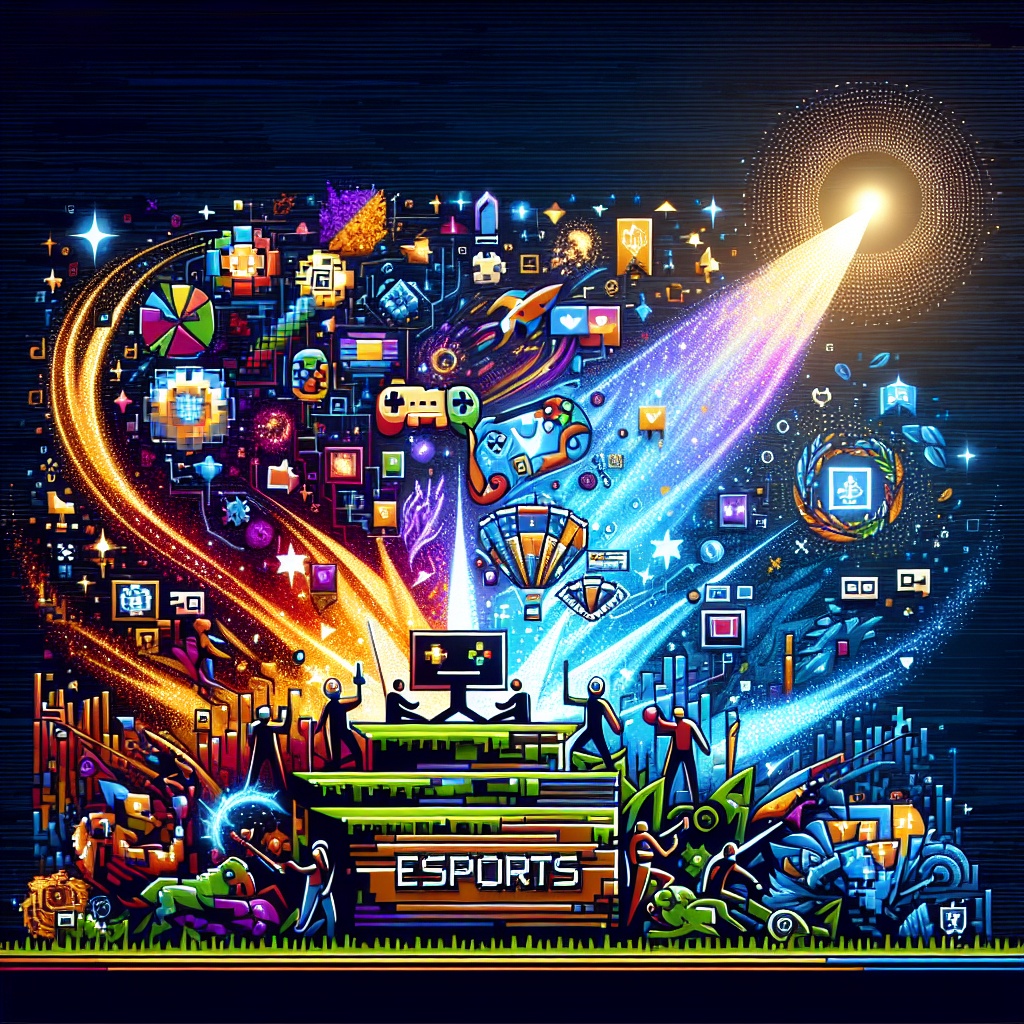
League of Legends, often abbreviated as LoL, has become a cultural phenomenon, significantly contributing to the rise of esports worldwide. Developed by Riot Games, this Multiplayer Online Battle Arena (MOBA) game was released in 2009 and quickly rose to prominence due to its complex strategies, engaging gameplay, and vibrant community. With a player base in the millions, League of Legends has not only transformed the gaming industry but also revolutionized how esports are perceived by a global audience.
Esports, competitive video gaming at a professional level, has seen exponential growth over the past decade. Central to this expansion is League of Legends, which has established itself as a cornerstone of competitive gaming. The game’s accessibility, frequent updates, and balanced gameplay cater to both casual and serious gamers. By fostering a diverse and inclusive community, League of Legends continues to draw new players and retain seasoned veterans.
One of the significant factors contributing to the success of League of Legends in the esports arena is its robust competitive scene. Each year, Riot Games organizes several regional leagues, culminating in the prestigious World Championship. Known as “Worlds,” this premier tournament is comparable to the Super Bowl of esports, attracting millions of viewers globally. In 2020, the World Championship final reportedly reached over 45 million concurrent viewers, showcasing the immense popularity and potential of esports.
Riot Games’ investment in infrastructure and organizational support for League of Legends esports has been instrumental. The creation of franchised leagues like the League of Legends Championship Series (LCS) in North America and the League of Legends European Championship (LEC) has provided stability and growth opportunities for teams. This franchise model offers revenue sharing, allowing teams to flourish financially while also maintaining competitive integrity.
Moreover, high-profile sponsorships and partnerships have become commonplace in League of Legends esports. Global brands like Mastercard, Alienware, and Red Bull have invested significant resources, recognizing the marketing potential within the esports community. This influx of sponsorship deals has elevated the production quality of events, making them more appealing to mainstream audiences and further legitimizing esports as a professional sport.
The professional players in the League of Legends esports scene have achieved celebrity status and command large followings. Personalities like Lee “Faker” Sang-hyeok, often hailed as the best League of Legends player of all time, have become icons within the community. Their influence extends beyond gaming, affecting fashion, lifestyle, and entertainment sectors. Faker’s presence alone draws substantial viewership, emphasizing the impact of individual stars on the industry.
Another vital component of League of Legends’ success is its thriving streaming culture. Platforms like Twitch and YouTube Gaming broadcast professional matches, providing fans with easy access to watch their favorite teams and players in action. Furthermore, content creators and streamers create a constant flow of League of Legends-related content, continually engaging the community. This streaming ecosystem fosters interaction, discussion, and a sense of belonging among fans.
In tandem with its esports infrastructure, League of Legends excels in appealing to its player base through continuous development and updates. Riot Games frequently releases new champions, balance patches, and in-game events that keep the game fresh and exciting. The publisher also hosts events like “Rift Rivals” and “All-Star,” where players from different regions or with different skill levels can showcase their talents. This dynamic approach ensures that League of Legends remains relevant and engaging, sustaining its momentum in the fast-paced gaming world.
The game’s lore and universe are other substantial facets contributing to its rise. League of Legends boasts an expansive narrative, encompassing a myriad of champions, each with unique backstories and personalities. This lore is reflected through the game, with story-driven events and cinematic releases that captivate players and enrich their gaming experience. Riot Games also ventures into multimedia approaches with projects like the animated series “Arcane,” which has gained critical acclaim and introduced the game’s universe to a broader audience.
Education and career opportunities within League of Legends have also emerged due to its growing popularity. Universities and colleges offer esports programs that include League of Legends scholarships, integrating esports into the academic sphere. This academic embracement has legitimized playing professionally as a viable career path, providing young players with avenues to pursue their passions competitively and educationally.
Furthermore, League of Legends has played a pivotal role in shaping esports infrastructure, inspiring other games and publishers to follow its model. Titles like Dota 2, Overwatch, and Valorant have adopted similar approaches to professional league structuring and community engagement. Riot Games’ pioneering efforts have set standards within the industry, impacting how esports events are organized and broadcasted worldwide.
The social and cultural impact of League of Legends cannot be understated. It has fostered a global community that transcends geographical boundaries. Events like the Mid-Season Invitational (MSI) bring together diverse cultures, language barriers, and shared experiences through the universal language of gaming. This global connectivity is one of the hallmarks of esports, with League of Legends at the forefront, uniting players and fans from various backgrounds.
Despite its achievements, the League of Legends esports scene also faces challenges, such as player burnout, mental health issues, and the need for improved diversity and inclusion. Riot Games has been making strides to address these issues, implementing policies to support players’ mental and physical well-being. Moreover, initiatives to promote diversity within teams and management are ongoing, aiming to create a more inclusive environment for all participants.
In terms of next-generation esports, League of Legends continues to innovate. Technologies such as augmented reality (AR) and virtual reality (VR) are being explored to enhance viewer experiences. Riot Games’ commitment to innovation ensures that League of Legends will remain a dominant force in esports, continually redefining what is possible within the realm of competitive gaming.
League of Legends has undeniably cemented its place at the forefront of the esports industry. Through strategic investments, influential sponsorships, a vibrant community, and a dedication to immersive storytelling, it continues to push the boundaries of what is achievable in esports. As it evolves and adapts, League of Legends is poised to inspire future generations, driving the global esports landscape forward in an ever-changing digital age.









Post Comment