The Psychology of a Comeback in Dota 2 Matches
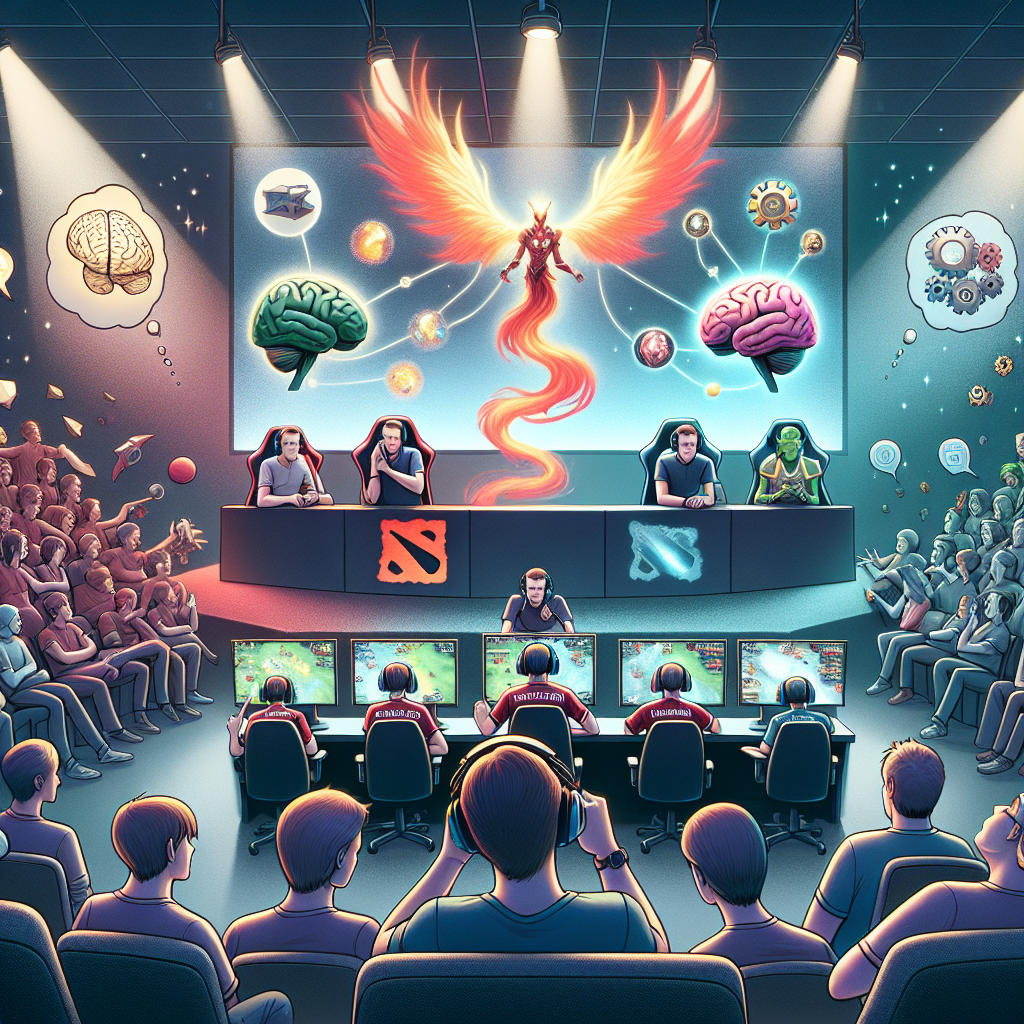
The psychology of a comeback in Dota 2 matches is an intricate tapestry woven from the strands of teamwork, resilience, and strategic ingenuity. As a globally-renowned multiplayer online battle arena (MOBA) game developed by Valve, Dota 2 presents a battleground where mental fortitude is as crucial as mechanical skill.
The thrill of a comeback, rising from apparent defeat to glorious victory, is a spectacle that captivates audiences and players alike. Understanding the psychology behind these dramatic turnarounds requires examining several factors such as player mindset, team dynamics, in-game communication, and strategic adaptability.
In Dota 2, the mindset of players plays a pivotal role in orchestrating comebacks. The game, notorious for its complexity and fast-paced environment, demands that players maintain focus even when faced with overwhelming odds. One of the most critical psychological elements at play is resilience; the ability to withstand stress and adversity. According to psychological theories, resilience combines emotion regulation, stress control, and tenacity, enabling players to manage their frustration and continue making calculated decisions under pressure. In scenarios where a team is losing significantly, resilient players maintain their composure, avoiding the trap of defeatist thinking, which can quickly spiral into poor decision-making and internal conflict.
Confidence is also a hallmark of the comeback mentality. Research in sports psychology suggests that belief in one’s capabilities can enhance performance levels. In the context of Dota 2, confident players are more likely to take calculated risks that can alter the game’s landscape, such as initiating decisive team fights or executing unorthodox strategies. By exhibiting confidence, these players inspire their teammates to rally together, driven by the shared vision of overcoming adversity.
Team dynamics are equally crucial in orchestrating a successful comeback in Dota 2. The synergy between team members often dictates the potential for success. In troubled times, a clear, well-defined team hierarchy can streamline decision-making and ensure coordinated efforts. Effective leaders, often the team’s captain or most experienced player, harbor the responsibility of galvanizing the team, fostering a sense of unity, and reminding their teammates of the strategic goals. This leadership dynamic can significantly influence the team’s morale, as players are more likely to remain engaged and motivated if they trust their leader’s judgment during critical moments.
Trust among teammates extends beyond leadership. Players must depend on one another to fulfill their respective roles efficiently, a concept that echoes the psychological principles of team cohesion and cooperative engagement. A robust support system on the team enhances the psychological safety net, assuring players that their teammates possess their back even when their individual performance falters.
Effective in-game communication is the lifeblood of successful comebacks. Communication in Dota 2 entails much more than the exchange of information; it involves motivating teammates, coordinating responses, and developing adaptive strategies. Crucially, communication should be constructive, focusing on solutions rather than highlighting failures. Players who master this art can maintain team morale and promote a shared understanding of the team’s strategic direction.
Intuition and non-verbal communication also play significant roles. Experienced Dota 2 players develop an acute awareness of their teammates’ playstyles and tendencies, often predicting their actions without verbal exchanges. This seamless, often subconscious communication can anchor a team’s effort during high-stakes comebacks, refining their cooperative play.
Strategic adaptability further underscores the psychological essence of a comeback in Dota 2 matches. The game’s evolving dynamics require players to constantly evaluate and adjust their strategies in real-time. Successful teams display flexibility, capable of pivoting their strategy to exploit new opportunities or counter the opponents’ strengths. This involves a keen understanding of the game’s mechanics, each player’s role, and the opponent’s capabilities.
Mental agility allows players to reassess their position and prioritize objectives that facilitate a shift in momentum. For instance, securing objectives like Roshan or exploiting mispositioning by opponents can substantially impact the game. The ability to recognize and act upon these opportunities is tied to what psychologists term “situational awareness,” a cognitive skill honed through experience and repeated exposure to high-pressure scenarios.
A substantial part of adaptability is maintaining a positive outlook despite disadvantages. The realization that Dota 2 games can be highly volatile and unpredictable enables players to remain open to the potential of a comeback. Cognitive reframing, focusing on potential outcomes instead of current setbacks, empowers players to maintain an aggressive but controlled approach – one of the hallmarks of a comeback mentality.
Observing the best teams and players in Dota 2 showcases these psychological principles in action. Professional players often undergo rigorous mental conditioning, sharpening their focus, managing stress, and enhancing their decision-making capabilities. This psychological preparation complements their mechanical skills, laying the groundwork for executing high-caliber comebacks during professional tournaments.
The esports community celebrates these comeback stories, punctuated by their emotional intensity and strategic brilliance. These stories often go beyond statistics and mechanics, highlighting the profound psychological journey of perseverance against the odds. The emotional highs, camaraderie, and sense of achievement linked with orchestrating such victories resonate deeply within the community, cementing them as part of Dota 2’s rich legacy.
The extensive viewing base for Dota 2 underscores the importance of psychological resilience even among spectators. Viewers experienced in the game recognize the undercurrents of strategic repositioning and align themselves emotionally with the players, often undergoing their emotional highs and lows. This shared experience further enriches the community’s engagement with the game beyond mere entertainment.
The integration of sports psychology in training regimes for professional Dota 2 teams is increasingly prevalent. Coaches and psychologists work together to tailor programs that bolster mental endurance, stress-resilience, and strategic ingenuity. Techniques such as visualization, mindfulness, and cognitive restructuring are incorporated to enhance players’ mental readiness. Understanding and managing emotions, both individually and within the team setup, is pivotal in competitive environments where fine margins often differentiate winners from losers. These psychological interventions aim to optimize individual and team performance, reducing the occurrence of burnout and enhancing players’ long-term engagement with the game.
Individual players often devise personal routines to maintain their focus and psychological equilibrium. Activities such as physical exercise, meditation, and regulated gameplay sessions contribute significantly to mental well-being, providing balance in an otherwise intensely demanding environment. By securing their psychological health, players can contribute meaningfully to their teams, laying a foundation for collaborative success.
The reality of Dota 2’s competitive environment demands a holistic understanding of the game’s strategic and psychological elements. Player development should thus encompass both mechanical proficiency and mental acuity. As players hone their skills and navigate the myriad challenges present in the game, the capacity for orchestrating comebacks becomes increasingly tangible. Enthusiastic, driven by a vibrant community and competitive landscape, Dota 2 represents a cerebral clash where the psychological frameworks governing comebacks continue to evolve, captivating generations of players and viewers alike.











Post Comment