The Legacy of Half-Life 2’s AI Design
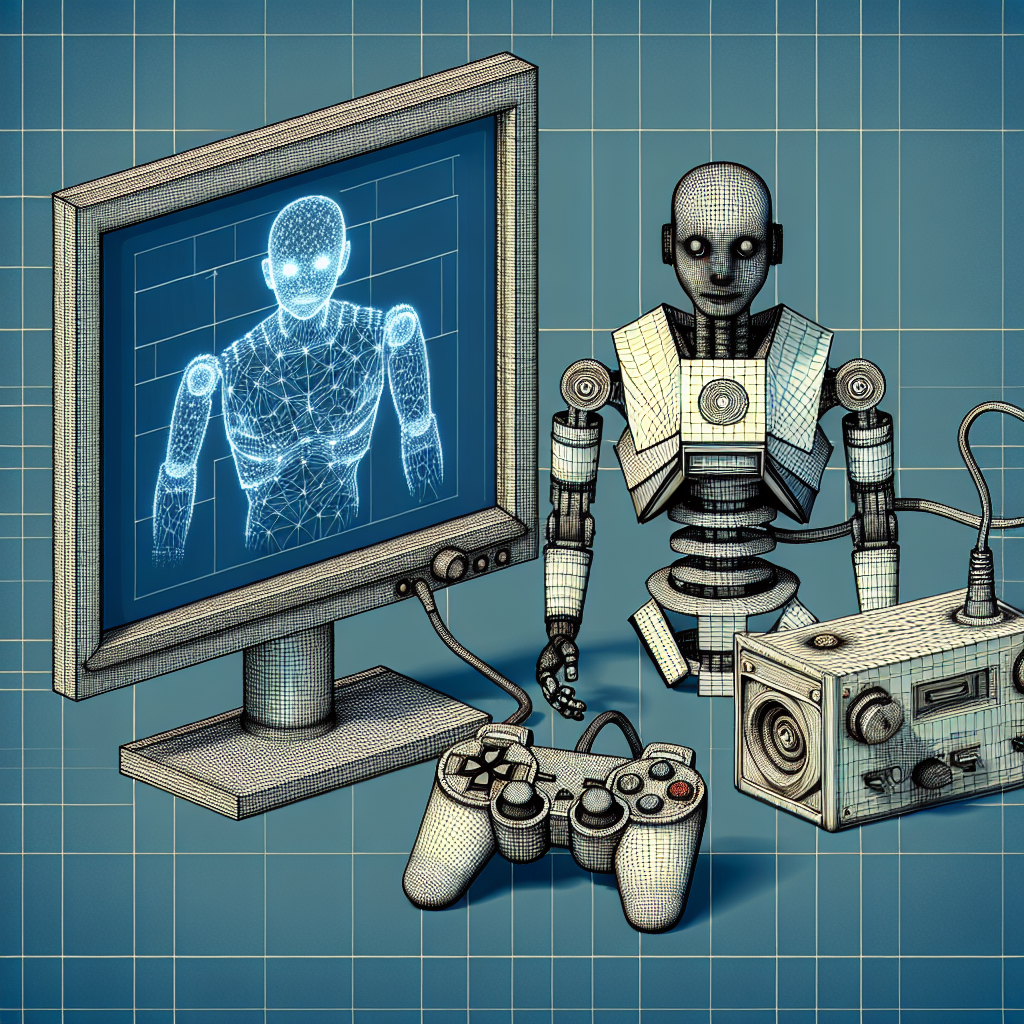
The landscape of video game design has been deeply influenced by several pioneering titles, and among these, Half-Life 2 holds a unique position, particularly due to its groundbreaking AI design. Released in 2004 by Valve Corporation, Half-Life 2 set new standards in artificial intelligence that continue to inspire developers and captivate players. The game’s AI was not only about creating responsive enemies but also about crafting an immersive world where various NPCs (non-playable characters) added depth to the narrative.
Half-Life 2’s AI design is often highlighted for its realistic character interactions and intelligent enemy behavior, both of which contribute significantly to the enriched gameplay experience. The game leveraged the Source engine, which was state-of-the-art at its time, allowing for complex AI scripts that could handle dynamic and unpredictable environments. This created a foundation where characters could react to the player’s actions in a manner that felt authentic and lifelike.
One of the most noteworthy aspects of Half-Life 2’s AI is the behavior of its primary adversaries, the Combine soldiers. These enemies are programmed to work together using squad tactics, which was an impressive innovation for its time. By doing so, they simulate a level of intelligence that challenges the player to think strategically. For instance, Combine soldiers will frequently take cover, flank the player, and communicate with one another to coordinate attacks. This type of AI behavior requires players to adapt their strategies, leading to a more engaging and challenging experience.
The AI in Half-Life 2 also extends beyond enemy combatants. The game’s companion characters, such as Alyx Vance, exhibit a level of AI sophistication that fosters a sense of connection and realism. Alyx is designed to interact with the player seamlessly, utilizing pathfinding algorithms that allow her to navigate the environment intelligently. She can engage in combat, provide situational commentary, and assist the player with puzzles, all while maintaining a convincing presence in the game world. Her AI ensures that she remains a helpful ally, enhancing the player’s immersion rather than becoming a liability.
Pathfinding is another crucial component of Half-Life 2’s AI. The game’s environments are highly interactive and complex, requiring characters to navigate through various obstacles. Valve implemented a navigation mesh system that allows NPCs to traverse the game’s world intelligently. This ensures that they can react dynamically to changes in the environment, such as debris blocking a path or new routes opening up, without breaking immersion.
The interaction between different AI systems in Half-Life 2 is a testament to the game’s intricate design. For instance, the game makes use of “AI soundscapes”—zones that modulate AI reactions to sound. This adds another layer of realism, as enemies may coordinate an attack based on the noise made by the player, thus enforcing stealth tactics when necessary. The result is an AI that not only reacts to the player’s actions but also interacts with various elements within the game’s environment, making the world feel continuously dynamic and alive.
Moreover, the AI’s influence on Half-Life 2’s storytelling cannot be overstated. The game uses AI-driven sequences to seamlessly integrate narrative elements into gameplay, eliminating the need for traditional cut-scenes and ensuring that the player’s immersion is never broken. Characters exhibit personalities through AI behaviors, with facial animations and voice acting synchronized to create deeper emotional connections. This method of storytelling was revolutionary at the time and paved the way for future games to explore similar integration of story and gameplay.
Half-Life 2’s AI has had a lasting legacy not only within the sci-fi genre but across the entire gaming industry. Many games released in subsequent years have cited it as an influence, particularly in how AI can enhance narrative and interact with game environments. Developers have sought to replicate and build upon its mechanics, leading to a more sophisticated and immersive AI presence in modern gaming.
One major legacy of Half-Life 2’s AI is its impact on creating believable game worlds. By utilizing AI to enhance environment interaction, games have evolved to offer more immersive experiences. Players can witness dynamic environments where NPCs react in varied ways to different stimuli, such as weather conditions or time of day, creating worlds that feel authentic and alive.
Furthermore, Half-Life 2’s AI has raised the bar for player-centric design. By developing AI that responds realistically to players’ actions, the standard was set for future games to focus on enhancing player agency and creating experiences that are unique with each playthrough. This has encouraged developers to prioritize replayability and player-driven narratives.
The AI techniques pioneered in Half-Life 2 have also paved the way for the development of more advanced procedural content generation. By creating systems that handle complex environmental interactions and NPC behaviors, the game has contributed to strategies used in creating procedurally generated worlds, which ensure each player has a distinct experience.
Half-Life 2’s AI systems demonstrate that artificial intelligence is crucial not just for realistic enemy behavior but for contributing to an immersive narrative. The seamless integration of AI into gameplay and story has informed countless game designs and remains a benchmark for excellence in game development. As technology continues to evolve, the legacy of Half-Life 2’s AI design will undoubtedly influence future innovations in the gaming industry. Its contribution to the field underscores the importance of AI in crafting experiences that captivate players and elevate storytelling, ensuring that its impact endures for generations to come.











Post Comment