The Future of League of Legends: What’s Next for Riot Games
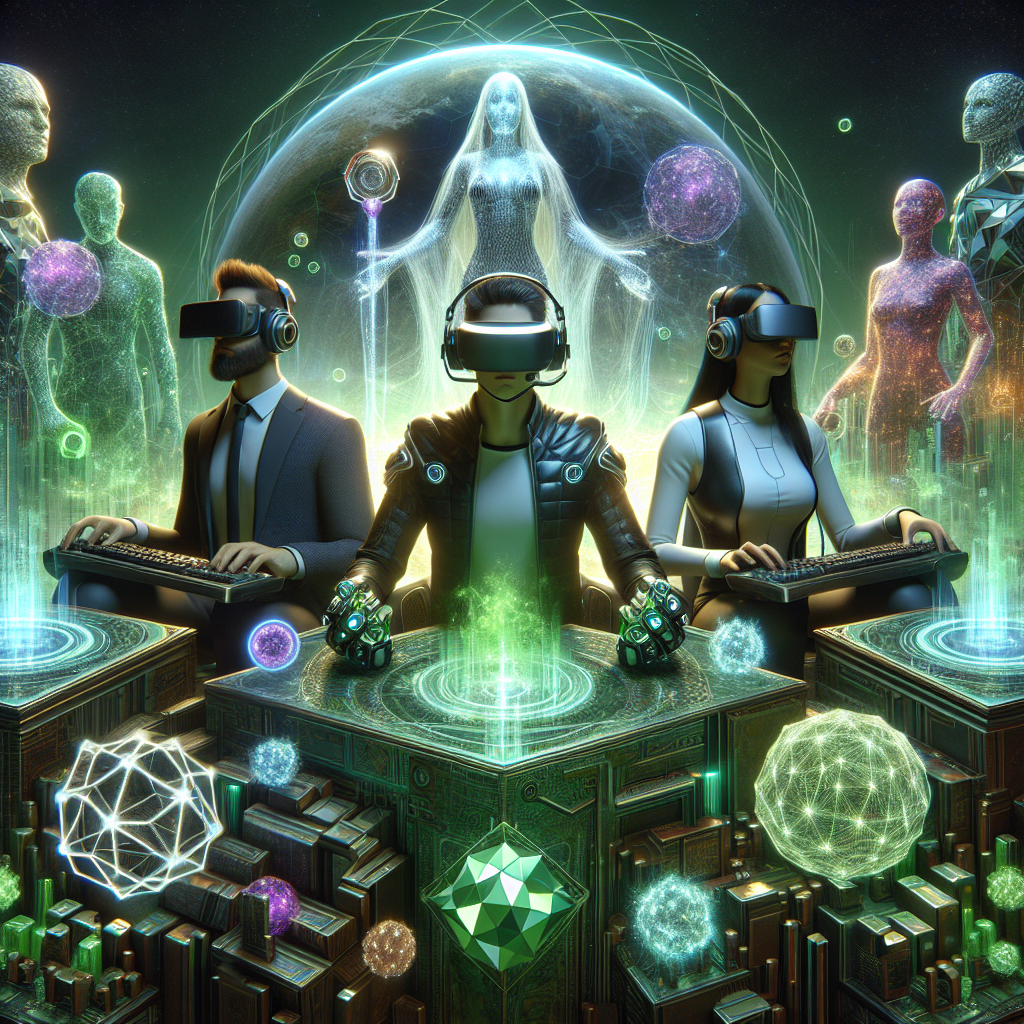
Riot Games’ flagship title, League of Legends (LoL), has set a high benchmark for success within the esports and online gaming spheres. With over a decade of consistent popularity and influence, the game’s future hinges on various pivotal developments. From evolving game mechanics to expanding its ecosystem and furthering technological advancements, Riot Games is constantly striving to keep League of Legends not just relevant but ascendant in the fast-evolving landscape of gaming. As we look forward, several key areas emerge as potential vectors for progress and innovation.
One focal point is the continual evolution of gameplay and game mechanics. League of Legends has demonstrated an enduring commitment to enhancing player experience through regular updates, often referred to as patches. These updates not only address balance issues within the game but also introduce new champions, bringing fresh tactics and strategies to explore. Looking ahead, we can anticipate even more sophisticated machine learning algorithms that help developers predict and adjust to player behavior trends more rapidly. This evolving technological landscape may allow developers to fine-tune game balance more precisely, leading to an even more dynamic and competitive environment.
The integration of artificial intelligence (AI) in refining matchmaking systems is another promise for the future. The current matchmaking system, while generally effective, still encounters discrepancies that affect player experience. By leveraging AI, Riot Games has the potential to create smarter matchmaking algorithms that consider more nuanced factors beyond rank and win ratio, such as team dynamics and player preferences. This innovation could lead to more even and satisfying matches, thereby enhancing player retention and satisfaction.
In terms of narrative expansion, Riot Games has already shown ambition through transmedia storytelling. Beyond the game itself, the expansion of the League of Legends universe through mediums like the successful Netflix series “Arcane” opens new avenues for player engagement. Expect more multimedia spinoffs and narrative expansion that dive deeper into the lore, offering fans richer context and engagement with the characters and stories they love. This holistic approach not only broadens player communities but also attracts a diversified audience that may not typically engage with the game itself.
The competitive esports scene surrounding League of Legends is ripe for continued development. The League Championship Series (LCS) and World Championship have grown into monumental global events, and their future looks promising. Riot Games is poised to further enrich the esports experience by optimizing broadcast technologies—for instance, utilizing virtual and augmented reality to create immersive viewing experiences. Additionally, closer integration between the professional and amateur scenes could foster talent growth and offer spectacular new paths for aspiring players.
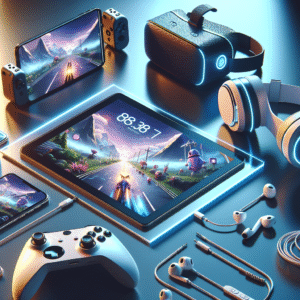
Technological innovations extend beyond gameplay and broadcasts. The infrastructure supporting League of Legends is set to benefit from advances in cloud computing and server technologies. Reduced latency and more robust server reliability will be critical for maintaining a seamless and enjoyable experience for millions of players globally. Furthermore, Riot Games could potentially explore cross-platform play as technology evolves, dismantling the barriers between PC, console, and mobile gaming communities.
Monetization strategies are also likely to transition. While League of Legends currently employs a free-to-play model with optional in-game purchases, exploring new systems could yield fresh revenue streams and enhance user experience. Battle passes, subscription services offering unique benefits, and non-traditional merchandise tied to the League universe might emerge as sustainable alternatives or supplements to existing monetization approaches.
Community engagement remains a cornerstone of League of Legends’ success. Riot Games has excelled in fostering a vibrant, dynamic community, but evolving this further presents endless opportunities. Expect expanded interactive esports events, increased player feedback integration, and more robust anti-toxicity measures. By actively involving the community in developmental decision-making processes—and possibly even encouraging community-created content—Riot Games can continue to thrive by acknowledging and responding to its player base’s diverse voices.
Localization and cultural sensitivity are vital to Riot Games’ future, particularly as it seeks to further penetrate emerging markets. By expanding localized content, culturally sensitive marketing, and region-specific events, the company can ensure its global user base feels seen and valued. Localization is not merely translation—it’s a strategic adaptation to regional player expectations, which is essential for continued international growth.
Sustainability and eco-conscious initiatives are future considerations that align with broader industry trends. Riot Games has the potential to lead by example, implementing greener data centers or sustainable merchandise practices that align with growing consumer expectations for corporate responsibility. As players become more socially and environmentally conscious, incorporating such values into the fabric of the League of Legends ecosystem will only serve to enhance brand equity.
With constant flux being a definitive characteristic of the gaming world, League of Legends has held its ground as a pioneer for over a decade. The speculative future of the game is poised on a balanced mix of technological advancement, strategic narrative expansion, and community-centric evolution. Riot Games seems fully equipped to fortify its legacy by adapting to changes, addressing emerging challenges head-on, and seizing new opportunities as they arise, securing League of Legends’ place as a venerated icon within digital entertainment.





Post Comment