The Future of Dota 2: Upcoming Changes and Predictions
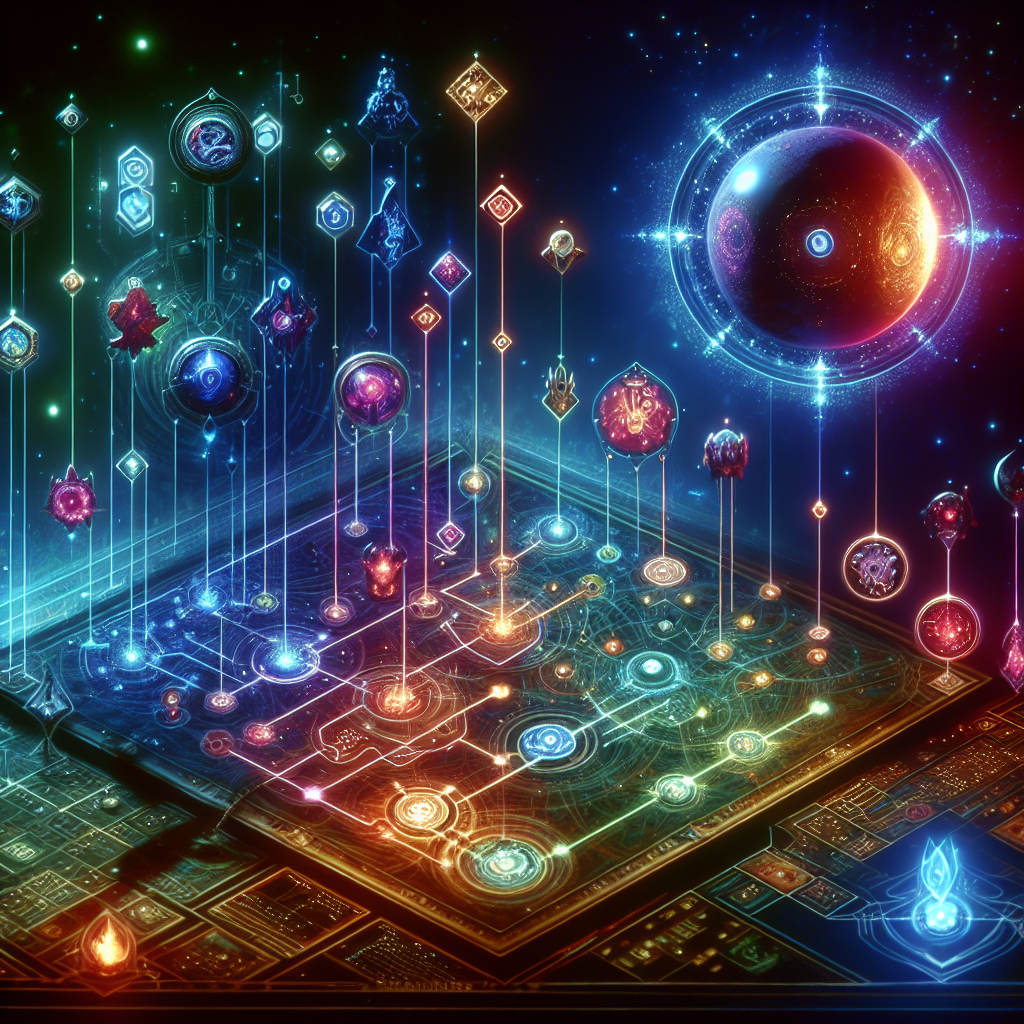
Upcoming patches and updates have always been at the heart of “Dota 2,” fueling its dynamic nature and constantly evolving meta. Valve Corporation has nurtured this title from its tumultuous beta beginnings to one of the most watched esports in the world. To maintain this status and continue captivating its global audience, monumental changes and bold strategies are regularly implemented. As we delve into the future of Dota 2, exploring these evolving dynamics becomes imperative.
Throughout its history, Dota 2 has embraced both incremental changes and sweeping reworks. From adding new heroes and altering map layouts to changing core game mechanics and effectively responding to community feedback, no aspect remains immune to alteration. Recent updates hint at a continued trajectory of progressive evolution—a necessity to maintain balance in a wildly intricate game combining strategy, skill, and coordination.
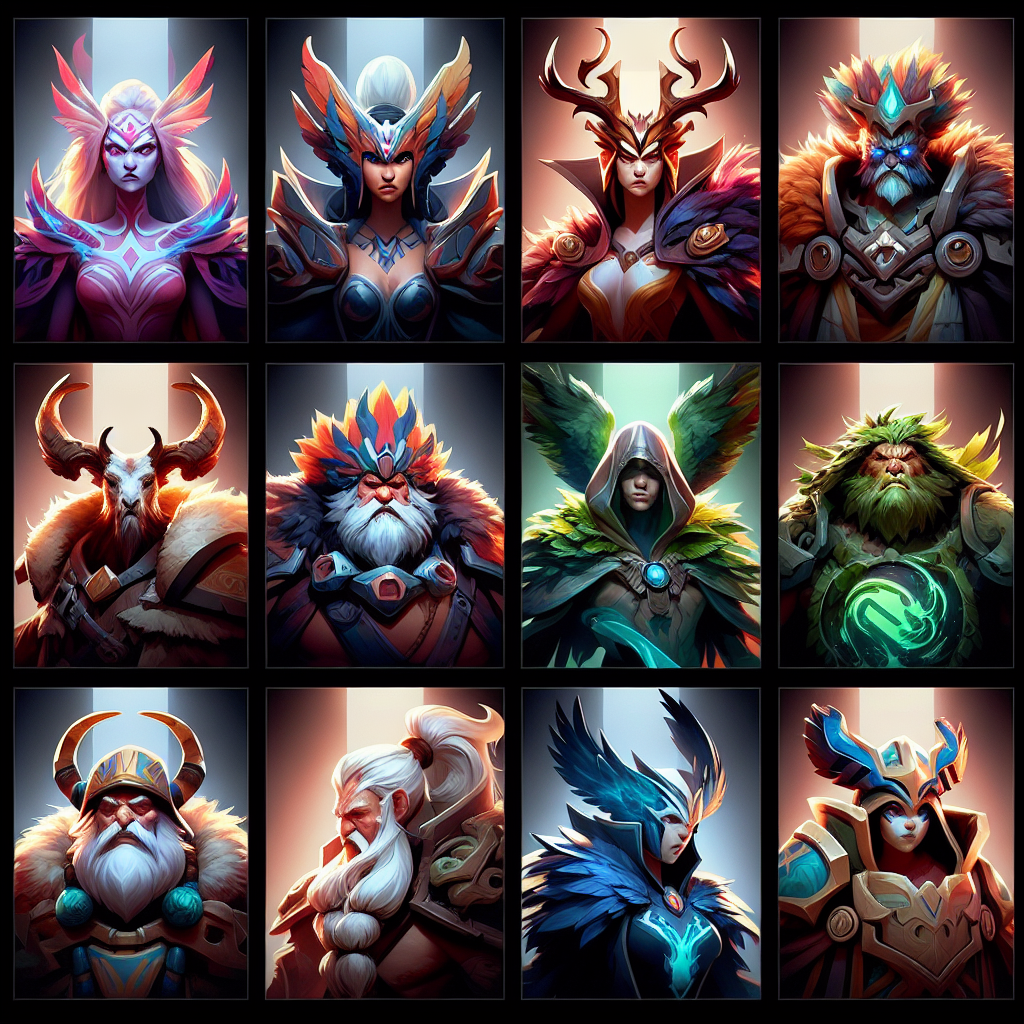
Hero rebalancing is one of the most anticipated changes, perpetually central to updates. As new strategies arise and players discover unforeseen synergies and counters, certain heroes often rise to dominate the meta. The development team at Valve remains vigilant, utilizing patches to level the playing field, ensuring no single strategy or hero overshadows others. Upcoming updates are poised to introduce both nerfs and buffs as developers meticulously adjust attributes such as health, damage, and abilities.
Augmenting hero dynamics further, the predicted introduction of new heroes is another exciting evolution. While Valve has remained tight-lipped about specifics, the prospect invigorates the community, spurring speculation and theorycrafting. Each new hero reshapes the meta, introducing fresh strategies and forcing players to adapt. The design and abilities of these heroes often reflect prevailing trends and popular playstyles, maintaining relevance and intrigue.
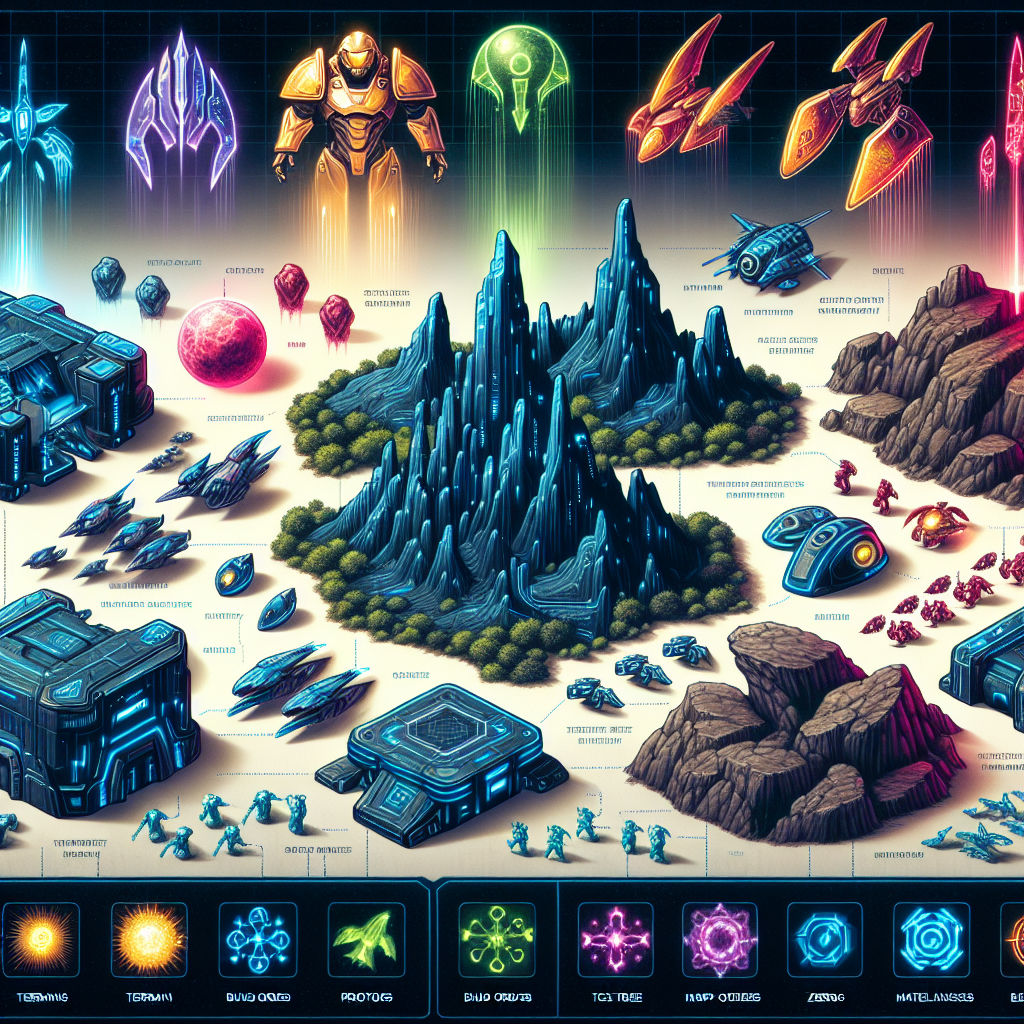
Moreover, map changes are a potent tool in the arsenal for keeping Dota 2 engaging. Alterations to the game’s map not only affect gameplay strategies and hero paths but also refresh aesthetics and design, offering players a reinvigorated visual experience. Valve has historically employed this method to influence game flow and combat dynamics, ranging from jungle pathing to Roshan’s pit location. As esports audiences demand novelty, map modifications can stoke spectator interest and eSports strategies alike.
Inventory management and itemization provide another pivotal axis for transformation. Often, meta-shifts are heralded by changes to existing items or the introduction of new ones. Items hold the potential to significantly alter hero performance or negate prevailing strategies. In past iterations, we’ve seen items removed entirely or reworked, and the future promises no deviation from this trend. Valve’s keen sense of balance ensures that the item pool complements diverse tactics, positioning and countering abilities seamlessly.
The gaming experience in Dota 2 converges at skill matchmaking, interface tooling, and community interaction. Queue toxicity and player behavior are areas rife for reform. Valve’s commitment to refining ranked roles and enhancing the matchmaking experience reflects an emphasis on cultivating competitive integrity and player satisfaction. Improvements to communication tools—such as ping modifications, resource-sharing capabilities, and strategic planning enhancements—underscore the drive to facilitate smoother, more coherent gameplay experiences.
On the esports front, Dota 2 stands as a colossal figure. The Dota Pro Circuit (DPC) enables teams to battle for International spots, and future enhancements are on the horizon. Valve’s efforts to ensure structured pathways to competition, complete with regional leagues and major tournaments, reflect the burgeoning esports ecosystem. The introduction of online regional leagues coupled with LAN events envelops the amateur-professional transition, providing an equitable platform for new talent.
Monetization strategies also shape the future trajectory of Dota 2. As a free-to-play game, Dota 2 creates revenue streams through in-game purchases such as the Battle Pass—a seasonal offering with unique cosmetics and game modifications. Enhancements to the Battle Pass, integrating rich lore narratives and collaborative community-driven content, present opportunities for both revenue and fan engagement. Expanding the economic model to include more customizable options introduces digestible entry points for microtransactions, fostering sustained server support and event funding.
In particular, Valve’s commitment to the community will steer impactful decisions. Tools facilitating mod creation enable an innovative environment, where user-generated content flourishes. Amplifying this creative latitude can ensure longer game longevity, as player-centric mods reinterpret and expand traditional gameplay paradigms.
Looking at Dota 2’s technological advancements, leveraging modern hardware advancements promises enhanced graphical fidelity and smoother performance. The integration of AI capabilities for training purposes can usher in a new wave of user experience, providing players with learning opportunities and skill progression on unprecedented scales.
Dota 2 exists in a state of fluidity, where community engagement, technological innovation, and relentless creativity coalesce. Valve’s strategic navigation through these pillars will dictate this titan’s future course, satisfying the intricate demands of its dedicated player base while continuing to attract and inspire gamers worldwide. Each impending change holds the potential to redefine, yet again, a timeless arena where battles are countless, and possibilities are endless.








Post Comment