The Evolution of Valorant: From Beta to Present
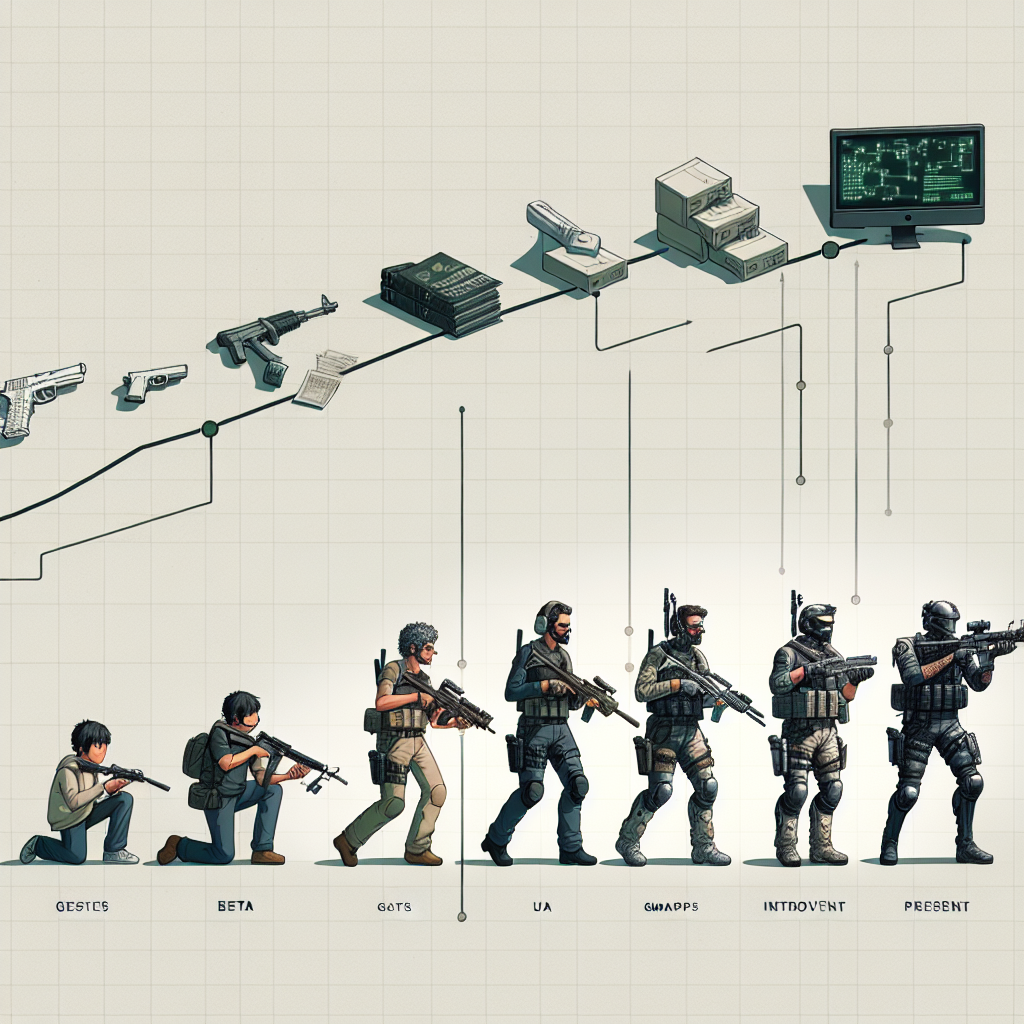
Valorant, developed by Riot Games, has undergone significant evolution since its inception, marking its position as a major contender in the competitive first-person shooter (FPS) genre. The game was first introduced to the public during its closed beta phase on April 7, 2020, creating an air of anticipation and excitement among FPS enthusiasts. The closed beta was a critical time for Riot Games to gather feedback and make adjustments, setting the foundation for what would become one of the most popular esports titles in the world.
Valorant’s initial beta launch was a strategic move by Riot Games, designed to generate buzz while fine-tuning gameplay mechanics based on community feedback. Access was initially granted to a limited number of players who could obtain keys by watching partnered Twitch streams, a strategy that capitalized on the platform’s popularity and created a viral sensation in the gaming community. This approach exponentially increased engagement, with eager players logging countless hours watching streams in hopes of securing access to the game.
During the beta phase, Riot Games focused heavily on balancing the game. Feedback from players highlighted the need for refining the agent abilities, map designs, and weapon functionalities. Players noted the overlap of certain agent abilities, which could disrupt the balance and strategy-centric nature of the game. Riot addressed these concerns by implementing patches that adjusted the damage outputs, fixed bugs, and reworked some agent abilities to ensure a level playing field.
Maps were also a critical focus during the beta. The original maps, Bind and Haven, each featured unique designs with distinctive strategic elements. Bind introduced the one-way teleportation mechanic that allowed quick rotations, while Haven featured three bomb sites, encouraging a diverse range of strategies. Community feedback during the beta called for more variety in map design, prompting Riot to introduce split in the game’s official launch on June 2, 2020. Split added new dimensions, with verticality and mid-control becoming essential aspects of winning strategies.
The transition from beta to full launch marked a significant milestone for Valorant. With the official release, Riot expanded its agent roster, adding Reyna, the first post-launch character. Reyna’s introduction highlighted Riot Games’ approach to continuously evolve the game through strategic agent releases, each bringing new dynamics to gameplay. Post-launch, the roster has seen significant additions, such as Killjoy, Skye, and later, Yoru and Astra, each diversifying the tactical opportunities available to players.
Valorant’s competitive mode also saw enhancements post-launch. Initially, players had criticisms of the ranking system, stating it failed to accurately reflect skill levels. Riot listened attentively and revised the system, introducing a new ranking tier, Radiant, which replaced the original top rank, Valorant. Changes were made to matchmaking algorithms to provide fairer matches and reduce instances of elo hell, a state where skilled players were unable to climb ranks due to being matched with less experienced teammates.
Esports initiatives played a pivotal role in Valorant’s evolution. Riot Games capitalized on their experience with League of Legends esports to create the Valorant Champions Tour (VCT), a competitive circuit launched in 2021. The VCT established a structured competitive scene that started with regional Challengers events, leading to international Masters tournaments, and culminating in the Valorant Champions event, the crown jewel of Valorant esports. This structured approach has attracted a myriad of big-name organizations into the Valorant esports ecosystem, contributing to its rapid growth.
With a thriving competitive scene, new features, and continual updates, community engagement is more robust than ever. Riot Games has consistently interacted with the player-base through developer updates and community Twitch streams, creating a transparent dialogue that has kept players invested in the game’s evolution. This interaction has helped guide patches and updates that address pressing player concerns and maintain game balance.
Valorant’s visual and sound design has also evolved since the beta. Initially praised for its sleek, colorful art style, Riot has continued to push the boundaries with new skins and cosmetic items. Collections such as the Elderflame and Ion skin lines showcase Riot’s commitment to high-quality visuals, often introducing themed bundles that players can purchase from the in-game store. Additionally, optimization improvements have been continuously made to ensure the game performs well across a variety of hardware configurations, maintaining a broad appeal.
Updates to sound design have ensured that audio cues remain a critical strategic component of gameplay. The differentiation of sound between footstep, weapon firing, and ability usage has been enhanced, allowing players a more immersive and intuitive experience that improves tactical decision-making. Such enhancements highlight the commitment to both gameplay fidelity and player experience.
Valorant’s evolution is also evident in its commitment to competitive integrity and fairness, particularly through its robust anti-cheat system, Vanguard. Initially controversial due to its deep integration with players’ systems, Riot Games improved transparency around its purpose and operations, ensuring players felt both secure and confident in the platform’s integrity. Vanguard’s effectiveness has been evident in its proactive approach to detecting and banning cheaters, contributing to a competitive environment that players trust and respect.
Riot Games’ approach to community inclusion has expanded beyond gameplay alone. Diverse agent designs and lore have helped represent a global player-base, with each agent hailing from different parts of the world, speaking multiple languages, and bringing unique cultural elements to their characterization. This diversity is not just a narrative choice but also a reflection of Riot’s commitment to inclusivity, resonating deeply with its global audience.
Valorant has set itself apart not only as a game but as a platform for creativity and collaboration within its community. Initiatives such as fan art showcases, music collaborations, and thematic events like the Episode launches have invited players to engage with the Valorant universe in new and diverse ways. These expansions beyond the core game reinforce Valorant’s standing as a cultural phenomenon rather than just an esports title.
As we examine the ongoing transformation of Valorant from its beta release to its current state, it’s clear that Riot Games is committed to innovation and player satisfaction. Through continuous updates, strategic enhancements, and active community involvement, Valorant exemplifies an evolving competitive shooter that has both shaped and been shaped by its dedicated player-base. The journey from beta to present highlights a dedication not only to gameplay and competitive integrity but also to fostering a vibrant and inclusive community around the world.










Post Comment