The Evolution of Plants vs. Zombies: From Casual Game to Cultural Phenomenon
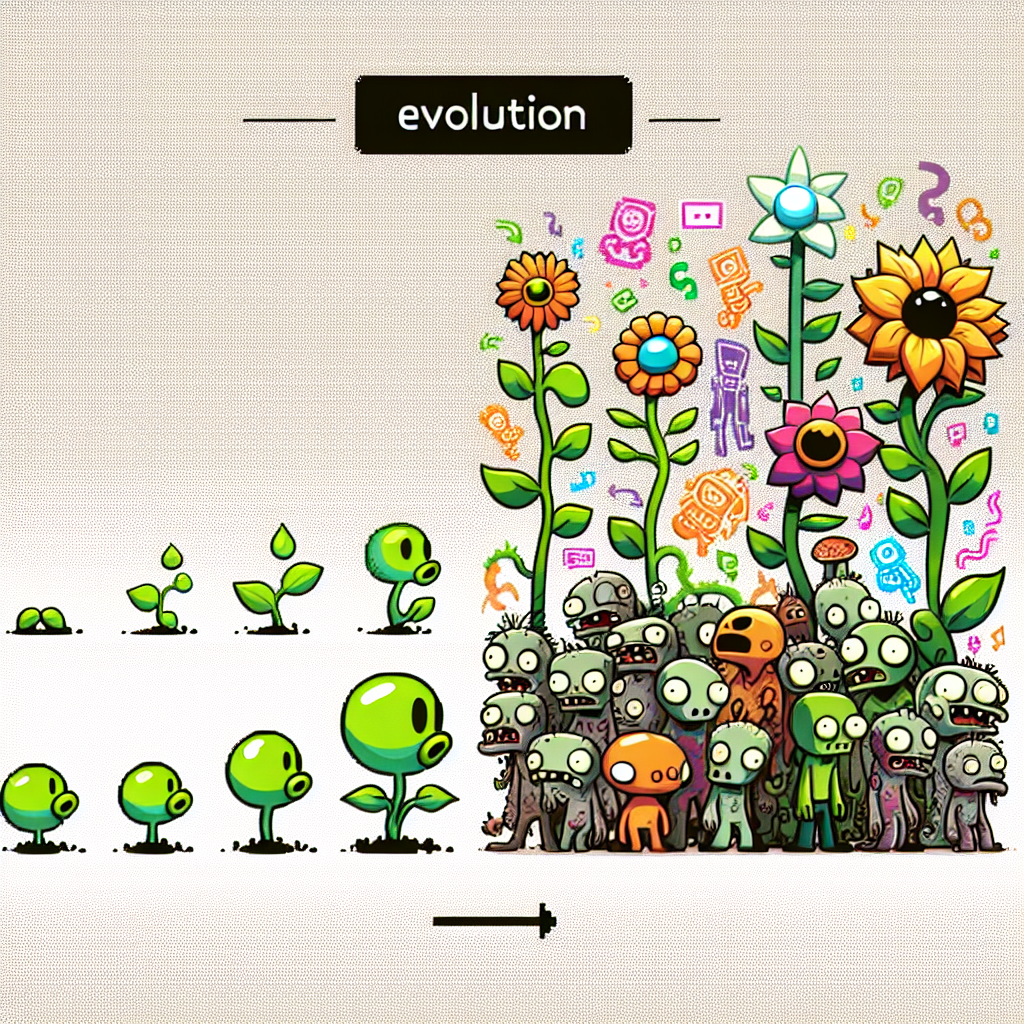
The journey of “Plants vs. Zombies” from a simple casual game to a cultural phenomenon is a story rich in creativity, adaptation, and consumer engagement. It’s a tale that captures the heart of modern casual gaming culture, demonstrating how clever design, appealing visuals, and strategic gameplay can catalyze a franchise’s growth. This evolution is worth dissecting to understand how it became a mainstay in gaming households around the globe, bridging generations and fostering community connection.
The Inception of Plants vs. Zombies
Launched by PopCap Games in May 2009, “Plants vs. Zombies” introduced a unique blend of tower defense mechanics with horticulture strategies. The game’s premise was intriguingly simple: defend your home from waves of zombies using an array of ingeniously designed plants, each with distinct abilities. Its engaging gameplay loop—requiring players to strategically plant sunflowers, pea shooters, and various defensive foliage—captured the strategic depth without overwhelming its audience with complexity. This balance was targeted effectively at the casual gaming audience, a demographic known for a preference for games that are easy to pick up but rewarding over time.
Character Design and Aesthetic Appeal
One cannot overlook the impact of character design on the game’s success. The quirky, anthropomorphized plants and zombies imbued with whimsical animations and sounds gave the game a charm that transcended age barriers. The art style, a blend of cartoonish and slightly macabre, complemented the playful yet endearing nature of the game. Such a design choice was crucial in crafting a universally appealing aesthetic, ensuring a broad audience was both attracted and retained. The visual identity of the game became instantly recognizable, an asset that PopCap and EA, which acquired PopCap in 2011, would leverage in merchandising and spin-offs.
Gameplay Innovation and Mechanics
The evolution in gameplay mechanics kept fans engaged beyond initial interactions. While the core principle of tower defense remained consistent, updates and sequels introduced new plant species, zombie types, and tactical challenges across different environments. The introduction of new gameplay modes, like Survival and Puzzle, provided players with varied ways to interact with the game, thus extending its longevity. This innovation in gameplay was crucial in maintaining player interest and ensuring that “Plants vs. Zombies” was more than just a fleeting trend.
Expansion: Sequels and Spin-offs
“Plants vs. Zombies 2: It’s About Time,” launched in 2013, capitalized on the success of its predecessor while introducing new worlds and historical settings, challenging players to adapt their strategies with new plants. The freemium model, a departure from its predecessor’s pay-once model, drew some criticism but effectively brought in a steady stream of revenue through in-game purchases. Such a business strategy showcased a shift in how casual games could successfully monetize their expansive audience base without upfront costs.
The franchise broadened its reach with “Plants vs. Zombies: Garden Warfare,” released in 2014. This title transitioned the series into a third-person shooter genre, capturing a new audience segment by incorporating cooperative and competitive multiplayer modes. Engaging visually and mechanically, “Garden Warfare” exemplified the franchise’s adaptability and commitment to exploring diverse gaming genres while retaining the original’s humor and style.
Cultural Impact and Merchandise
Almost immediately, “Plants vs. Zombies” transcended its gaming origins and permeated popular culture. A surge of merchandise followed: toys, costumes, and various branded products emerged, solidifying its status beyond digital screens. The recognizable characters and elements became popular in consumer goods, each item reinforcing the game’s brand identity in daily life. This cross-media expansion was pivotal in cementing “Plants vs. Zombies” as a cultural icon among gaming communities and beyond.
The cultural footprint of “Plants vs. Zombies” expanded through comic books, animated series, and community events. The comics fleshed out the game’s universe, offering fans deeper narratives, while animated content broadened the audience by engaging younger viewers not traditionally part of the gaming community. Such cross-platform storytelling harnessed the franchise’s appeal, creating a holistic brand ecosystem that touched upon multiple facets of entertainment media.
Fan Engagement and Community Building
A critical ingredient to the enduring success of “Plants vs. Zombies” is its active fan community. PopCap and EA have maintained an open line with their player base, fostering engagement through forums, social media, and live events. This community-driven interaction not only provided players with a platform to share their strategies and creations but also unraveled new pathways for the franchise to evolve in response to audience feedback.
Community contests, such as design-your-own-plant challenges, kept players invested in the game’s future, encouraging user-generated content that further enriched the game’s universe. By leveraging social media, PopCap amplified the voices of fans, celebrating their loyalty and creativity, thus solidifying a symbiotic relationship between developer and gamer.
Adapting to Modern Gaming Trends
In more recent years, the franchise has adeptly responded to prevailing gaming trends. The introduction of mobile adaptations meant that “Plants vs. Zombies” reached a broader audience, tapping into the casual gaming boom driven by smartphones and tablets. Mobile gaming allowed for snack-sized play sessions, aligning perfectly with the game’s pickup-and-play style.
Additionally, the inclusion of features like cloud saving, cross-platform play, and regular content updates ensured that even as the gaming landscape evolved, “Plants vs. Zombies” remained relevant. The utilization of emerging technologies like augmented reality has also been on the radar, hinting at future innovations that could expand how players interact with the game world.
Educational and Cognitive Impact
Interestingly, “Plants vs. Zombies” has found advocates in unexpected areas: education and cognitive science. Academics have pointed to the game’s benefits in encouraging strategic thinking, resource management, and quick decision-making. Such attributes have led to its examination as a tool for educational purposes, potentially aiding in cognitive skill development in younger demographics.
Ultimately, the saga of “Plants vs. Zombies” is more than a commercial success story. It is a testament to how engaging content, combined with strategic evolution and community involvement, can create a franchise with lasting cultural impact. The richness of its legacy continues to inspire both game developers and players, ensuring that this deceptively simple game remains a vibrant, dynamic part of gaming culture.












Post Comment