The Evolution of League of Legends Over the Years
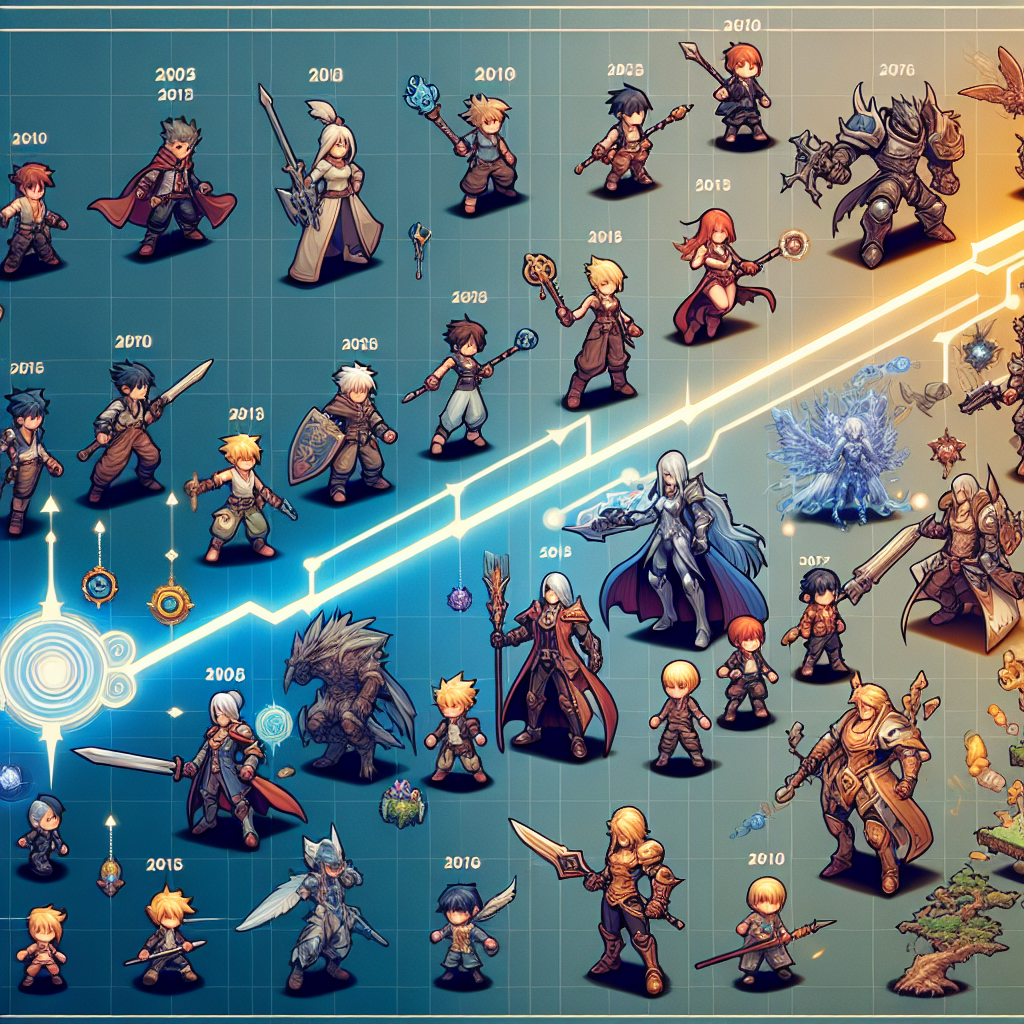
League of Legends (LoL), developed by Riot Games, has emerged as one of the most influential titles in the gaming world since its release in October 2009. As an action-packed, multiplayer online battle arena (MOBA), its growth over the years reflects both its evolving gameplay dynamics and the massive community it has nurtured. Here is an exploration of its evolution through various facets, from game mechanics to its thriving eSports scene.
At its inception, League of Legends was praised for its accessibility compared to predecessors like Defense of the Ancients (DotA), mainly due to the simplified user interface and less punishing mechanics. Early developments centered around core features such as Summoner’s Rift, the primary and iconic map, and a roster of 40 champions with unique abilities. These champions offered distinctive playstyles, catered to diverse tactics, and laid the groundwork for competitive play.
The progression of champion design reflects the dynamic complexity that LoL would come to embody. Riot Games initially released champions bi-weekly, introducing novel mechanics and augmenting in-game diversity. This pace highlighted an early commitment to keeping gameplay fresh. As the game matured, this approach evolved — new champions are now released less frequently, focusing on higher quality and deeper thematic engagement. Riot employs an iterative development process, leveraging player feedback to refine champion balance, ability designs, and role definition. This evolution is epitomized by the transformation of older champions through the Champion Update program, which modernizes outdated mechanics, visuals, and lore.
Strategic metas have continuously fluctuated, driven by both player innovation and Riot’s periodic updates. Riot’s seasonal updates, known as “patches,” are critical for modifying champion balance, item effectiveness, and overall gameplay strategy, affecting the ebb and flow of competitive meta. Each season brings significant gameplay changes, like the introduction of new map elements, such as plants and alcoves, and systemic shifts like altered jungle pathing and item reworks. These changes encourage adaptability and strategic diversity. For example, Role Queue was introduced to ensure players can select their preferred role — Top, Jungle, Mid, ADC, or Support — making games more strategically cohesive and reducing in-lobby friction.
Riot’s commitment to advancing technological frameworks has significantly upgraded LoL’s infrastructure and user experience. The client underwent a landmark overhaul with the addition of the updated Hextech crafting system and Missions, introducing new ways for players to engage with the game outside conventional gameplay. The “League Client Update,” released progressively starting in 2016, enhanced client stability and provided opportunities for integrating new features like Club chat and eSports viewing platforms.
Beyond in-game evolution, the blossoming of LoL’s competitive scene stands as a cornerstone of its growth. The official League of Legends World Championship began in 2011, establishing the precedent for organized, high-stakes competition. The expansion of regional leagues such as Korea’s LCK (League of Legends Champions Korea), China’s LPL (League of Legends Pro League), North America’s LCS (League Championship Series), and Europe’s LEC (League of Legends European Championship) has cultivated a rich international competitive scene. Regional rivalries fuel the game’s narrative, compelling both players and fans to deepen their engagement with LoL’s evolving metagame.
The cultural significance of League of Legends extends into music, art, and narrative storytelling. Riot’s release of musical projects such as Pentakill, K/DA, and True Damage, along with the animated series “Arcane” in 2021, demonstrate the studio’s interdisciplinary prowess, enticing a broader audience while expanding LoL’s universe. Projects like “Arcane” have received acclaim for their storytelling, world-building, and animation quality, resonating with both longtime fans and newcomers.
Community involvement has been integral to LoL’s sustained popularity. Riot fosters this through annual events like the seasonal thematic festivals and in-game events, which often introduce limited-time game modes and exclusive rewards. Initiatives like the “Player Behavior Program” emphasize creating a positive gaming environment by discouraging toxic behavior, thus enhancing player retention. The Honor system further rewards positive player interaction, fostering a community of sportsmanship.
Monetization strategies have also seen an evolution, balancing between providing free access to gameplay essential content and offering paid aesthetic, non-advantageous items. Riot’s cosmetic offerings — skins, chromas, and animations — continually increase in creativity and quality, driving substantial revenue. The introduction of Event Passes in 2019, parallel to a battle pass system, reflects modern monetization trends in digital games, offering layers of reward for player investment.
Tournament structures have evolved to include tiered competitions, expanding opportunities for amateur and semi-professional players to ascend to the professional scene, further substantiating LoL’s competitive ecosystem. Innovative formats, such as play-ins, group stages, and knockout rounds, have been refined over the years to enhance competitive integrity and viewer engagement.
Technologically, Riot has implemented performance optimizations alongside anti-cheat mechanisms to ensure fair play and enhance server stability. The game’s latency metrics and server locations have been optimized for enhanced global accessibility, allowing for seamless, real-time competition across continents.
Over the years, Riot has progressively invested in LoL’s lore, deepening the histories, personalities, and world politics entwined with each champion. This narrative development introduces players to the complexities of Runeterra, LoL’s mythological world, enriching the game’s universe and providing substance beyond its gameplay elements.
The evolution of League of Legends encapsulates a journey of ongoing adaptation and expansion. Riot’s multifaceted approach to updating content, growing community involvement, and fostering competitive legitimacy has effectively sustained its standing in the dynamic landscape of gaming. The integration of feedback-driven developments and a revolutionary commitment to adaptive gameplay strategies affirm LoL’s role as a titan in the realm of interactive entertainment.



Post Comment