The Evolution of Graphics in PUBG Mobile
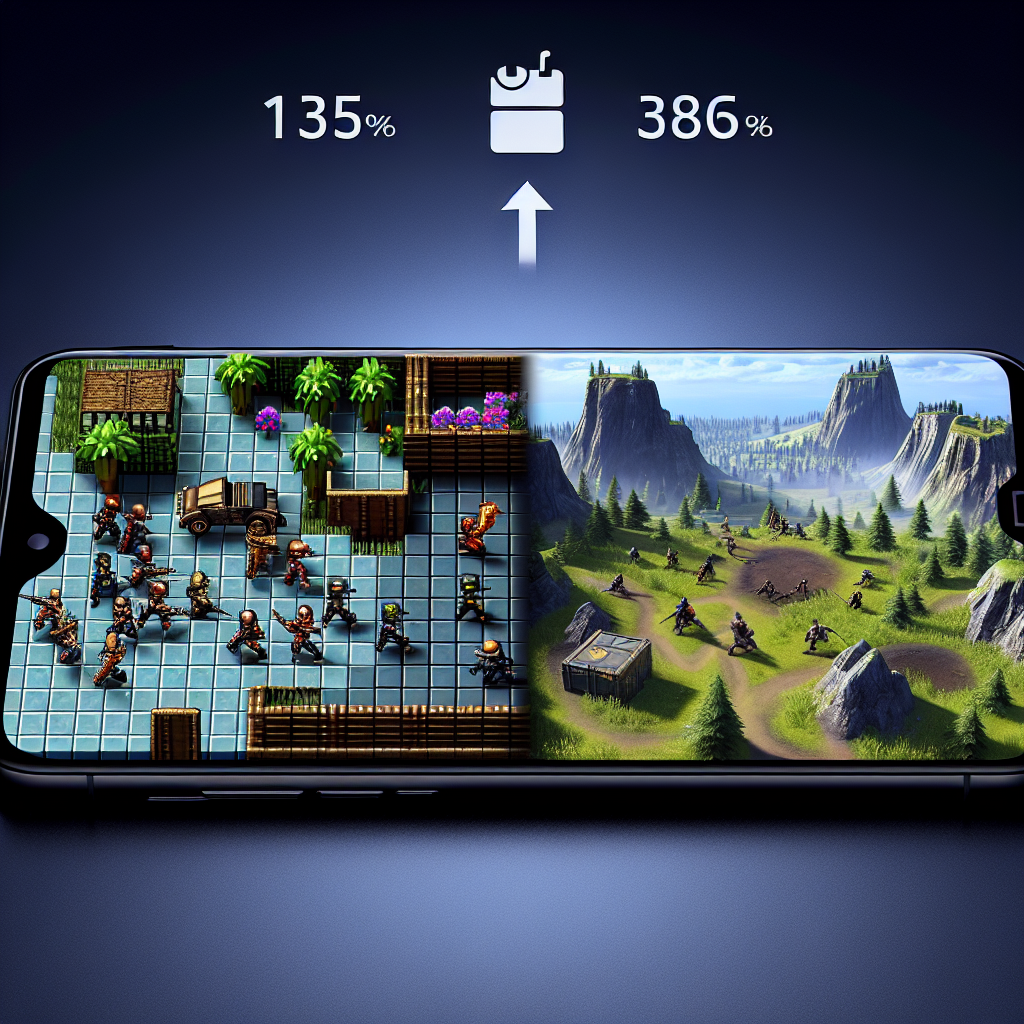
The graphics in PUBG Mobile have undergone significant evolution since its initial release, reflecting the strides in mobile technology and game development. At its core, the graphical journey of PUBG Mobile encapsulates improvements not only in visual fidelity but also in performance optimization, aesthetics, and realism. This evolution has been crucial in maintaining its appeal among millions of players worldwide.
Initially, PUBG Mobile debuted with graphics that were commendable for its time, capturing the essence of its PC counterpart. The early versions focused on delivering a reliable Battle Royale experience on a range of mobile devices. This meant balancing quality and performance to ensure fluid gameplay. The textures, lighting, and environmental details, while moderately realistic, were designed with simplicity to accommodate the hardware limitations of many smartphones available in early 2018.
As technology advanced, PUBG Mobile developers leveraged graphical upgrades to enhance the visual experience. One pivotal update saw the introduction of higher resolution textures, improved environmental details, and refined character models. These enhancements brought about more realistic landscapes, with lush forests, detailed buildings, and meticulously crafted terrains that more accurately represented the game’s massive battlegrounds. The interaction with the environment became more immersive, and this realism was a significant draw for the players, making skirmishes and exploration feel more authentic.
Lighting played a pivotal role in the evolution of PUBG Mobile’s graphics. Earlier iterations utilized basic lighting effects that provided adequate, if not simple, visual cues. However, as the game matured, the introduction of dynamic lighting systems transformed the experience. Real-time shadows, enhanced reflections, and nuanced illumination effects created more atmospheric environments. This evolution was particularly visible during sunsets or overcast weather within the game, where subtle light changes added depth to the visual storytelling.
The introduction of Ultra HD mode was a significant milestone in PUBG Mobile’s graphical journey. This mode offered a substantial upgrade in texture quality, shadow details, and lighting effects, pushing the boundaries of what mobile graphics could achieve. For players with high-end devices, Ultra HD mode offered a near-console quality experience. This upgrade not only improved the visual clarity but also increased the overall immersion, making each match a visually engaging experience.
Character design and animations have also seen considerable refinement over time. In early versions, character models were relatively basic, with limited details and rigid animations. However, updates introduced more detailed character models, realistic clothing textures, and fluid animations. Every movement, from running and jumping to more subtle actions like prone positions or reloading weapons, became more realistic. These enhancements added a layer of believability to the characters, enriching the player’s connection to their avatar.
PUBG Mobile has also embraced environmental storytelling through its evolving graphics. Various maps, each with distinct visual themes, showcase the advancements in graphical storytelling. Erangel, the game’s original map, witnessed graphical updates that improved foliage density, building structures, and overall terrain detail. Subsequent maps like Miramar, Sanhok, and Vikendi introduced diverse biomes, each bringing unique visual elements and requiring tailored graphic optimizations to maintain performance across devices.
Optimization has been at the forefront of PUBG Mobile’s graphics evolution. Recognizing the diverse range of devices used by players globally, developers have consistently focused on optimizing graphics for lower-end devices without sacrificing the game’s core aesthetic. This dedication has ensured a smooth performance while retaining visual integrity, crucial for competitive gameplay where frame rates and responsiveness can drastically impact outcomes.
Effects such as explosions, bullet impacts, and weather conditions have become increasingly sophisticated, contributing dynamically to the gaming atmosphere. Initially, these effects were functional but rudimentary. Over time, advancements have led to more spectacular and realistic effects. Explosions now feature detailed particle effects and physics-driven debris, adding to the visual chaos during intense firefights. Weather effects, like rain or snow, enhance the mood and add strategic layers, requiring players to adapt their playstyle.
Incorporating community feedback has played a vital role in the graphical evolution of PUBG Mobile. Player input has informed many updates, highlighting areas for improvement and helping prioritize features that enhance visual engagement. This feedback loop ensures that the developers remain aligned with player expectations, fostering a collaborative environment for graphical enhancements.
The synergy between graphical evolution and technological advancement continues to drive PUBG Mobile’s development. As mobile devices grow more powerful, offering support for technologies like HDR and advanced rendering techniques, PUBG Mobile consistently pushes the envelope, integrating these capabilities to elevate the gaming experience. This progression not only enhances the visual appeal but also ensures that PUBG Mobile remains at the forefront of mobile gaming innovation.
In conclusion, the evolution of graphics in PUBG Mobile reflects a continuous pursuit of excellence, driven by technological advancements, strategic optimization, and player-centric updates. Through careful balance and innovation, PUBG Mobile has transformed its visual experience, ensuring it remains an engaging platform for both new and veteran players alike.










Post Comment