The Development Challenges of Portal 2
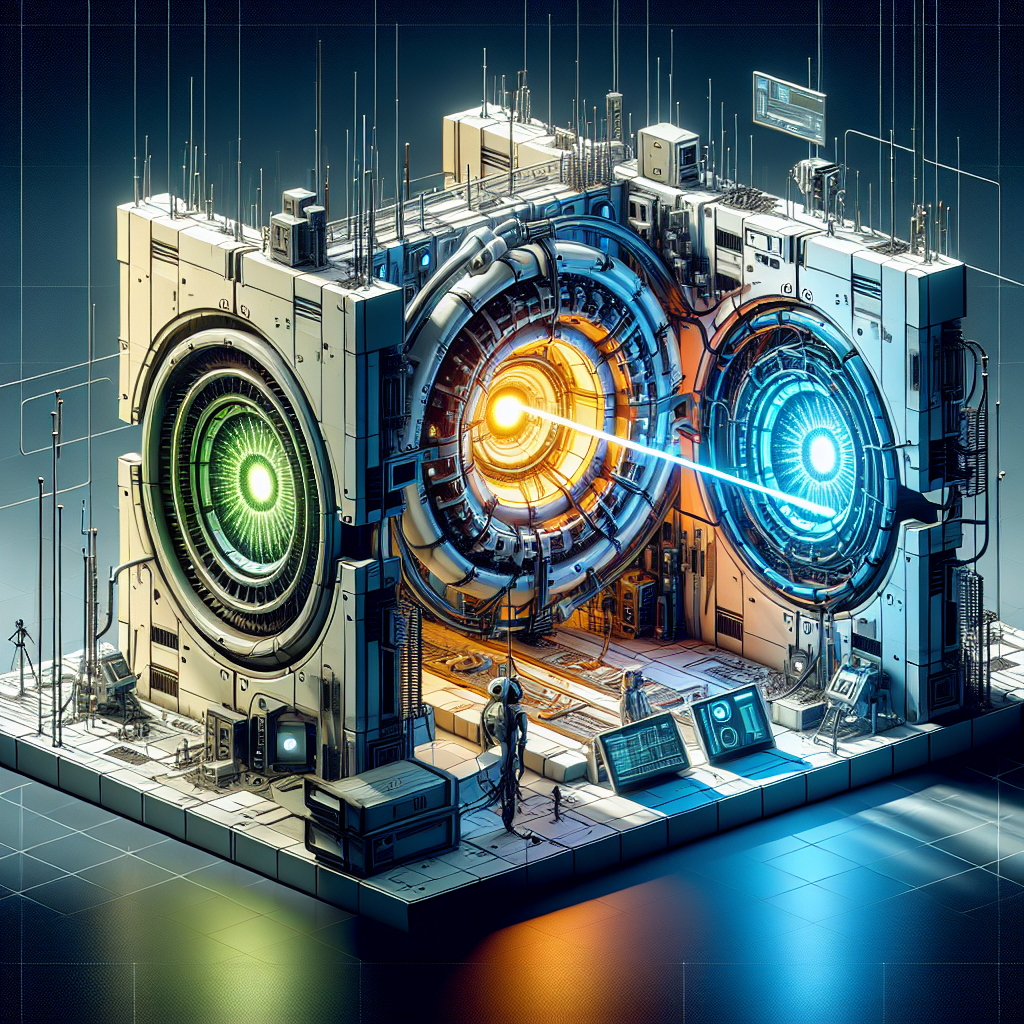
Portal 2 is a celebrated puzzle-platform video game developed and published by Valve Corporation. Known for its compelling narrative, innovative gameplay, and intriguing puzzles, its development journey presents a blend of creative challenges and collaborative innovation, setting a benchmark for future games in the genre.
The development of Portal 2 began shortly after the success of its predecessor, Portal, which was released in 2007 as part of The Orange Box collection. Portal had been a surprise hit, praised for its originality and clever game mechanics. This success placed a significant amount of pressure on Valve to deliver a sequel that not only matched but exceeded the original in terms of innovation, story, and gameplay.
One of the most significant challenges was expanding on the core mechanics that made the original Portal such a success. The original game’s simplicity, with players creating portals to solve puzzles, was both its strength and limitation. Valve aimed to introduce new gameplay mechanics without diluting the purity that fans loved. This led to the inclusion of new elements like gel surfaces that alter player speed and jump height, light bridges, and excursion funnels. Each new feature had to be finely tuned to integrate seamlessly with the core portal mechanic, maintaining balance and ensuring they enhanced rather than overshadowed the original gameplay.
Crafting a narrative that would resonate with players while standing on its own merits was another hurdle. Portal’s storyline was minimalistic yet impactful, introduced through the eerie guidance of GLaDOS, the genocidal artificial intelligence. For Portal 2, Valve wanted to delve deeper into the rich lore of Aperture Science. This required extensive world-building and storytelling capabilities. The writers at Valve, therefore, expanded the game’s universe, introducing new characters like Wheatley, voiced by Stephen Merchant, and Cave Johnson, portrayed by J.K. Simmons. These characters added depth, humor, and a greater emotional range to the game, ultimately enriching the player’s experience.
Moreover, the developers faced technical challenges related to the game’s engine and graphics. Portal 2 was developed using a modified version of the Source engine, which had been utilized for the original Portal and other Valve games such as Half-Life 2. While this engine was praised for its capability, Valve needed to push its limits to accommodate the larger, more complex world of Portal 2. This included rendering more detailed environments and ensuring smooth performance across various gaming systems. Valve addressed these challenges by optimizing the engine’s performance and integrating new technologies, ensuring that Portal 2 would deliver a visually appealing experience without compromising on gameplay quality.
The multiplayer mode introduced in Portal 2 also posed unique development challenges. Building a cooperative experience required rethinking puzzle designs to ensure they were engaging for more than one player. The team developed a separate storyline for the cooperative mode, featuring two robotic characters, Atlas and P-Body. This mode demanded a focus on teamwork and communication, which added a layer of complexity to puzzle design. Developers had to ensure that puzzles were intricately balanced to require equal participation from both players, fostering a collaborative experience rather than a competitive one.
Testing and balancing were crucial throughout Portal 2’s development. By engaging in extensive playtesting, Valve could refine difficulty levels and pacing, ensuring a broader audience could enjoy the game without feeling frustration. Feedback from playtests influenced several design decisions, allowing Valve to identify and refine areas where players struggled unnecessarily. This iterative process was instrumental in creating a game that was challenging yet accessible.
Valve also had to balance creativity with commercial considerations. Portal 2 required significant financial and manpower investments, and there was pressure to produce a game that would deliver returns. The team focused on integrating a universal appeal into the game through a combination of captivating humor, detailed storytelling, and innovative gameplay. Marketing strategies leveraged the popularity of the first Portal game, while also expanding the game’s reach through various digital distribution platforms, ensuring it achieved both commercial success and critical acclaim.
In addition, Inclusive design became a pivotal aspect during development. Recognizing the diverse player base, Valve strove to create a game that was welcoming to all players, independent of their gaming experience. This included efforts to maintain an approachable difficulty curve, create an intuitive interface, and use visual and auditory cues effectively. Valve’s inclusive design philosophy was further highlighted in its approach to accessibility, ensuring that players with disabilities could also fully enjoy the game’s story and mechanics.
Communicating and maintaining a unified vision proved to be another layer of challenge. Valve’s flat organizational structure allowed for a high degree of creative freedom, but it also demanded effective communication and collaboration among team members. Establishing clear goals and ensuring that every team member was aligned with the game’s vision required robust project management skills and dedication to maintaining open lines of communication.
A crucial aspect often highlighted in the creation of Valve games, including Portal 2, is their approach to innovation. Valve encouraged an environment where developers could experiment with new ideas without the fear of failure. “Cabals,” or small teams focusing on different aspects of development, were pivotal in this regard. These groups allowed for rapid iteration and innovation, enabling the company to explore creative solutions to complex problems.
Despite these challenges, Portal 2 succeeded beyond expectations, garnering praise from both critics and players. It received numerous awards and is often cited as one of the best video games of all time. The development challenges of Portal 2 highlight the intricate balance between creativity and technical proficiency, the commitment to creating a rich narrative experience, and the necessity of innovative gameplay mechanics. Each aspect, from story to puzzle design, was meticulously crafted, reflecting Valve’s dedication to pushing the boundaries of what a puzzle-platform game could be.






Post Comment