The Cultural Phenomenon of League of Legends Across the Globe
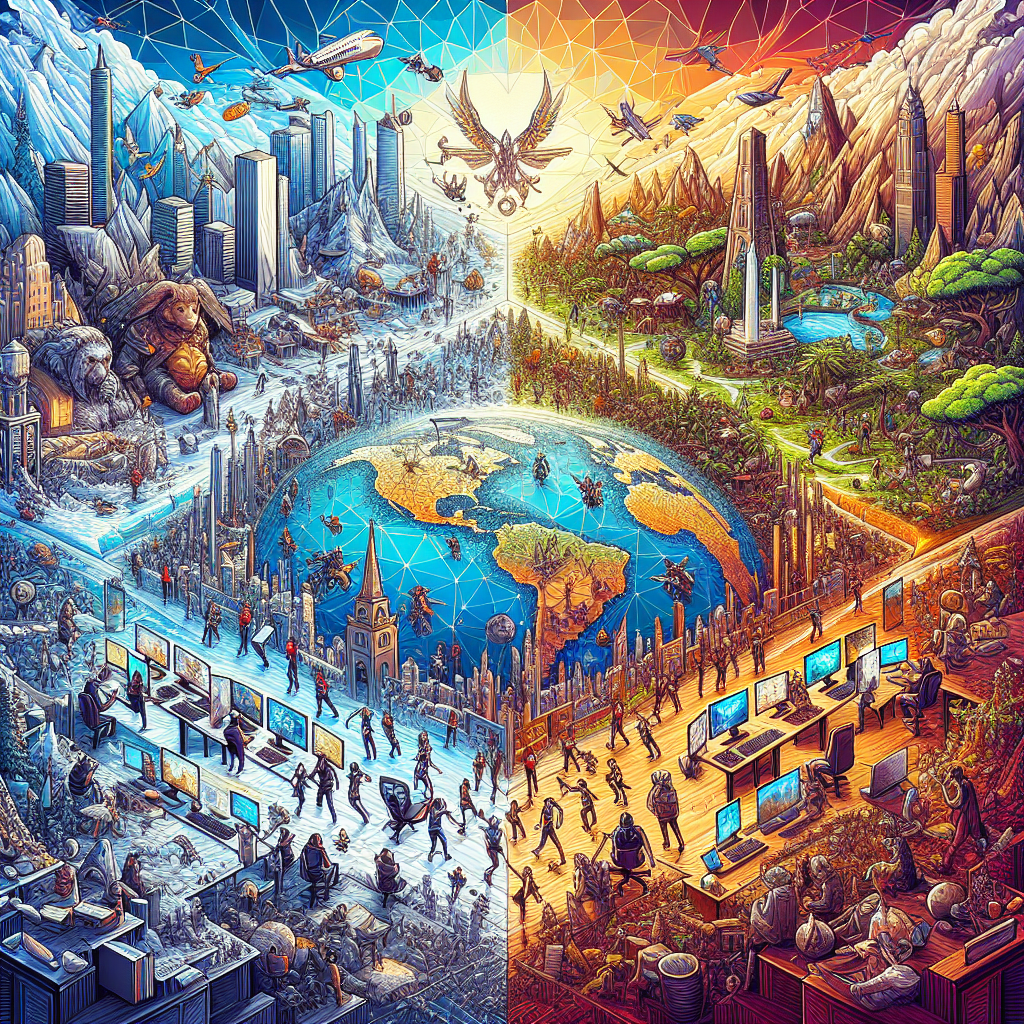
League of Legends (LoL), developed by Riot Games and released in 2009, has swiftly taken the gaming world by storm, establishing itself as an influential cultural phenomenon. Its impact extends beyond just being a video game, permeating various facets of society globally and influencing pop culture, sports, and technology in unprecedented ways. Understanding this impact requires a deep dive into several aspects of the game’s presence across different regions around the world.
In North America and Europe, League of Legends has significantly redefined the competitive gaming landscape. Esports competitions, particularly the annual LoL World Championships, draw millions of viewers both live and online, rivaling traditional sports events in viewership numbers. In 2019, the World Championship Finals held in Paris attracted over 100 million viewers, comparable to the Super Bowl. This growth has been facilitated by platforms like Twitch and YouTube, which provide wide accessibility to live streams, and engage communities through shared experiences. Colleges and universities in the U.S. have begun to offer scholarships for aspiring pro players, showcasing a recognition akin to traditional sports.
The development of professional leagues such as the League of Legends Championship Series (LCS) in North America and the League of Legends European Championship (LEC) has turned players into celebrities, creating a new class of influencers in digital and physical spaces. This celebrity culture extends to social media, where professional players and popular streamers have amassed significant followings. North American and European markets have seen brands investing heavily in esports, signing sponsorship deals with teams, and organizing tournaments, thus integrating LoL into mainstream sporting culture.
Asia, particularly South Korea and China, stands as a central hub for League of Legends, not only in terms of player base but also in esports dominance. South Korea, known for its advanced gaming infrastructure and internet culture, has produced some of the most successful professional teams in LoL history, such as T1 formerly known as SK Telecom T1. South Korean players are celebrated as national heroes, with their successes serving as a source of national pride. This has even influenced the youth culture, inspiring many young gamers to pursue careers in esports from an early age.
The Asian market’s investment in competitive gaming infrastructure—spanning from dedicated esports arenas to government-backed esports initiatives—reflects a cultural acceptance and fostering of gaming as a career. China’s massive player base has resulted in a thriving domestic competitive scene, with organizations like Riot Games and Tencent (which owns Riot Games) leveraging this audience to innovate in broadcasting and fan engagement. This has solidified LoL’s influence in the technology sector, affecting everything from mobile gaming trends to virtual-reality experiments.
The Latin American scene, while not as globally dominant, is burgeoning and adds a unique cultural flair to the League of Legends ecosystem. Countries like Brazil and Mexico have witnessed a growing audience and player base, supported by Riot Games through localized events and tailored marketing strategies that resonate with regional audiences. Riot Games has established regional leagues like the Campeonato Brasileiro de League of Legends (CBLOL), enhancing the legitimacy and competitive spirit of LoL in these regions.
League of Legends’ ability to transcend cultural and linguistic barriers has allowed it to create a shared global experience. Its in-game lore, characterized by a rich tapestry of characters and narratives, resonates across different cultures without losing localized relevance. This universality has made League of Legends the center of subcultures, which express themselves through fan art, cosplay, and fan fiction, further testifying to its stronghold on pop culture.
Furthermore, League of Legends and its influential status have positively impacted discussions around technology’s role in modern culture. It has set precedents for future developments in interactive media, artificial intelligence through in-game analytics, and online community building. The game’s matchmaking and ranking algorithms are studied and emulated in various digital sectors for their sophistication and scale.
Educational institutions have started examining video games as cultural artifacts, with academic courses exploring League of Legends from sociological and technological perspectives. Discussions focus on community creation, internet economy impacts, and even the psychological aspects of gaming. These courses highlight the contribution of games like LoL in reshaping concepts of social interaction and community in the digital age.
Additionally, Riot Games’ approach to community engagement and support through events like cosplay competitions and fan festivals have encouraged a celebratory gaming culture. This has facilitated a global yet tightly-knit community that thrives on both competition and camaraderie. The cultural impact of League of Legends even extends to fashion and music collaborations, seen in partnerships with high-profile artists for Worlds events, and the creation of virtual bands like K/DA which topped global music charts.
One cannot ignore the societal challenges and criticisms that have accompanied LoL’s rise. Issues of digital addiction, online harassment, and professional burnout are prevalent discussions. Riot Games has made strides in addressing these issues through policy changes, mental health initiatives, and in-game reporting systems. This reflects a broader trend within the gaming industry, where cultural phenomena such as LoL are adopting more holistic approaches to community well-being and corporate responsibility.
In summary, League of Legends represents a cultural powerhouse that has transcended the traditional video game industry to influence a wide array of societal sectors. Its development into a multifaceted entity, which includes elements of sports, entertainment, technology, and social integration, reflects the ever-evolving relationship between digital media and global culture. By connecting people worldwide through its universal appeal and fostering a competitive yet inclusive community, League of Legends continues to be a significant cultural marker in the modern digital landscape.


Post Comment