The Creative Process: Designing Skins in League of Legends
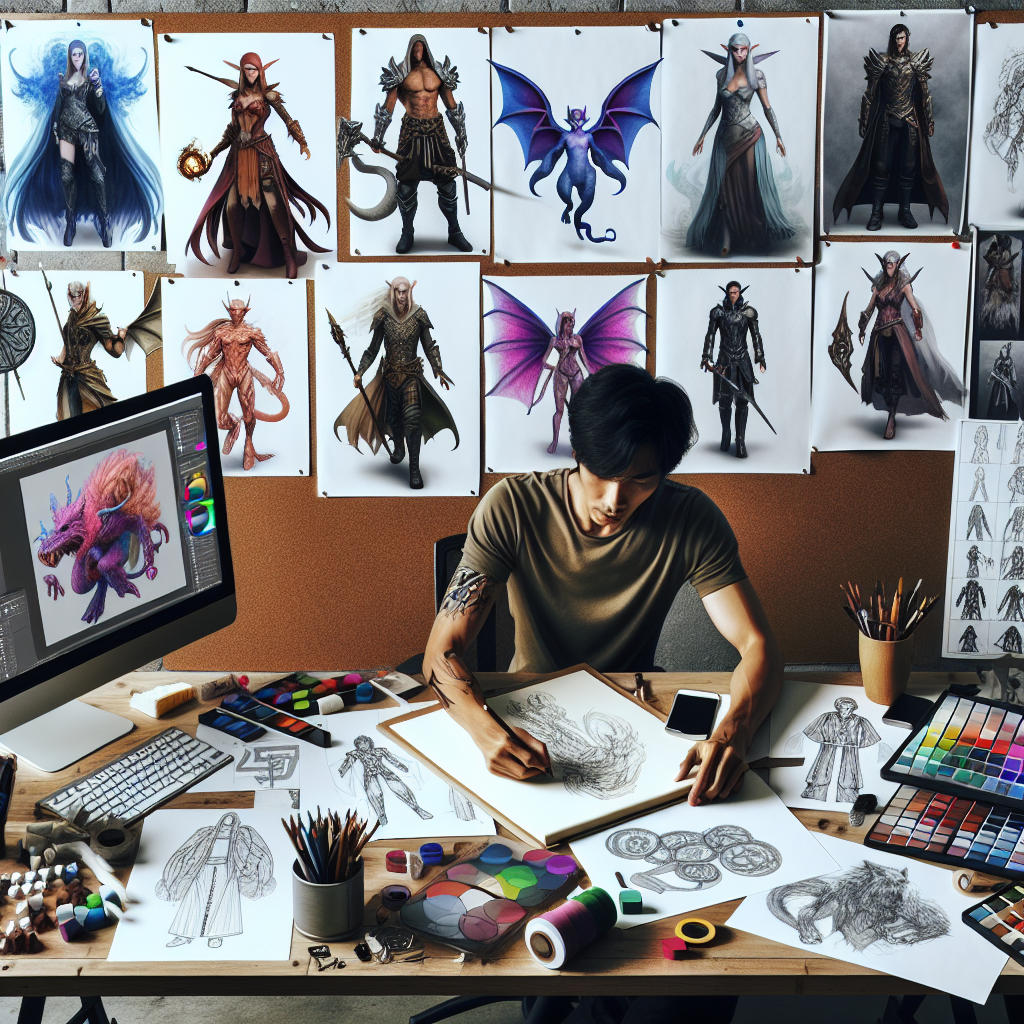
The creative process of designing skins in League of Legends is a multifaceted journey that blends artistic talent, player engagement, and strategic prioritization. Riot Games, the creator of League of Legends, has consistently demonstrated a remarkable ability to produce captivating skins that resonate with players worldwide. This process is both an art and a science, executed by teams of artists, designers, writers, and engineers working harmoniously. Understanding this intricate process sheds light on how these skins significantly enhance the player experience.
### Understanding the Importance of Skins
Skins are more than mere cosmetic additions; they are an essential element of player identity and engagement. In a free-to-play game like League of Legends, skins offer monetization pathways, allowing players to personalize their in-game avatars. Skins generate revenue while enhancing the overall aesthetic of the game. A successful skin will not only be visually appealing but also remain true to a champion’s lore and in-game narrative. This dual role underscores the importance of a thorough, iterative design process that is both player-centric and innovative.
### Ideation Phase
The creative process begins with ideation, where concepts are generated based on current trends, player feedback, and internal strategy. Riot Games regularly solicits player feedback through forums, social media, and community polls. Understanding what themes or champion skins resonate with the community helps guide the initial brainstorming sessions.
Ideation meetings within Riot involve a diverse team, including concept artists, narrative designers, and game designers. During these sessions, creative discussions are encouraged, where each member contributes ideas on thematic directions, potential champion candidates for skins, and unique skin lines. It’s crucial in these discussions to balance the innovative aspirations of the creative team with what will be both technically feasible and marketable.
### Concept Development
Once initial ideas are established, the next step is to create concept art. Concept artists begin by producing sketches, exploring different styles, and experimenting with colors and shapes. This phase is pivotal in determining the visual direction of the skin, focusing on aspects that make each skin unique, such as silhouette changes, color palettes, and surface textures.
During concept development, artists often present several variations of a single concept. This iterative process enables the team to refine ideas, ensuring that each version is more aligned with the desired aesthetic and player expectations. Input from other departments is valuable here, particularly from the narrative team, who ensure that the skin supports any existing lore or storylines.
### Technical Feasibility Check
With a refined concept, the next phase involves assessing the technical feasibility of the design. This phase is crucial for ensuring that the skin is not only visually stunning but also technically achievable within game constraints. Engineers and modelers examine the proposed designs to identify potential challenges related to animations, effects, and the game’s rendering capabilities.
Technical limitations must be taken into account, such as the need for skins to run smoothly on a wide range of devices. This step often involves working closely with modelers to ensure that complex designs can be effectively translated into 3D models without compromising performance. Adjustments may be necessary to simplify designs or modify certain elements while maintaining the core concept.
### Design and Modeling
Once the skin passes the technical feasibility phase, it’s time to bring it to life through modeling and design. 3D artists use specialized software to create detailed models of the skin, working carefully to translate the 2D concept art into a 3-dimensional space. During modeling, attention to detail is paramount. Artists strive to maintain the integrity of the initial design while ensuring that it harmonizes with the champion’s existing animations and the overall art style of League of Legends.
After creating the 3D model, the next step is texturing, where artists apply colors, materials, and patterns to the model. This stage is where the visual appeal of the skin truly begins to shine, as artists meticulously paint textures that add depth and complexity to the model. Special attention is given to how these textures will appear in various in-game lighting conditions, ensuring that the skin looks impressive in all scenarios.
### Animation and Effects
Skins in League of Legends often come with unique animations and visual effects (VFX) that enhance their attractiveness. Animators work on creating new animation sets or altering existing ones to fit the skin’s theme and narrative. This could include altering basic animations such as running, attacking, or using abilities, depending on the skin’s level of complexity.
VFX artists collaborate closely with animators to design spell effects and environmental effects that complement the animations. This includes creating particle systems, shaders, and lighting effects that distinguish the skin from others. The synergy between animation and effects is essential to deliver a cohesive visual experience that is both satisfying and immersive.
### Sound Design
The auditory experience is another critical aspect of skin design. Sound designers work in parallel with the visual artists to design audio elements that are consistent with the skin’s theme. This may include new sound effects for attacks, abilities, and even unique voice lines. The audio team ensures that all sound elements are synchronized with the visual aspects to enhance the player’s overall immersion.
Sound design also involves iterating on feedback from internal testing. The test phase helps identify any audio-visual mismatches or opportunities for improvement, enabling the sound team to refine and polish the sound design until it meets the high standards expected by players.
### Internal Review and Feedback
Before a skin is released to the live servers, it undergoes a comprehensive review process. Internal reviews involve playtesting and evaluations by multiple departments, including quality assurance teams who rigorously test the skin for bugs, performance issues, and balance.
Feedback loops are integral during this phase, as they enable cross-departmental collaboration to address any concerns or necessary adjustments. These reviews ensure that the skin is polished and conforms to League of Legends’ established quality benchmarks. The feedback process involves multiple iterations, with regular touchpoints to verify that all aspects of the skin meet player expectations and technical standards.
### Market Testing and Community Engagement
Market testing is an optional but insightful step wherein limited previews or teasers of the skins are offered to select community members or content creators for feedback. Leveraging the community’s insights early in the process can highlight unforeseen issues or generate excitement pre-launch. Community engagement is further reinforced through announcements, promotional videos, and lore content that expands on the story behind the skins.
### Finalization and Launch
After exhaustive testing and iteration, the skin is ready for launch. Marketing teams develop strategies to promote the skin, including digital campaigns, social media promotions, and collaborations with content creators. These efforts aim to maximize visibility and hype around the new skins leading up to their release.
The launch itself is carefully timed, often aligned with season events, new patches, or significant game updates. Following the launch, Riot continues to monitor community feedback and usage data, which informs future skin designs and the ongoing refinement of the skin development process.
### Continuous Improvement
Riot Games is committed to continuous improvement, using post-launch feedback to refine existing skins and inform future projects. This iterative mindset is central to Riot’s approach, ensuring that each new skin meets the evolving standards and tastes of the League of Legends community. Player feedback is invaluable, forming a critical component of Riot’s development philosophy.
Designing skins for League of Legends is an intensive, collaborative process that marries creativity with technical proficiency. Through a deep understanding of player desires and robust internal processes, Riot Games continues to elevate the artistry of game cosmetics, ensuring each skin enhances the player experience and enriches the League of Legends universe.

Post Comment