The Challenge of Bloodborne: Why We Love It
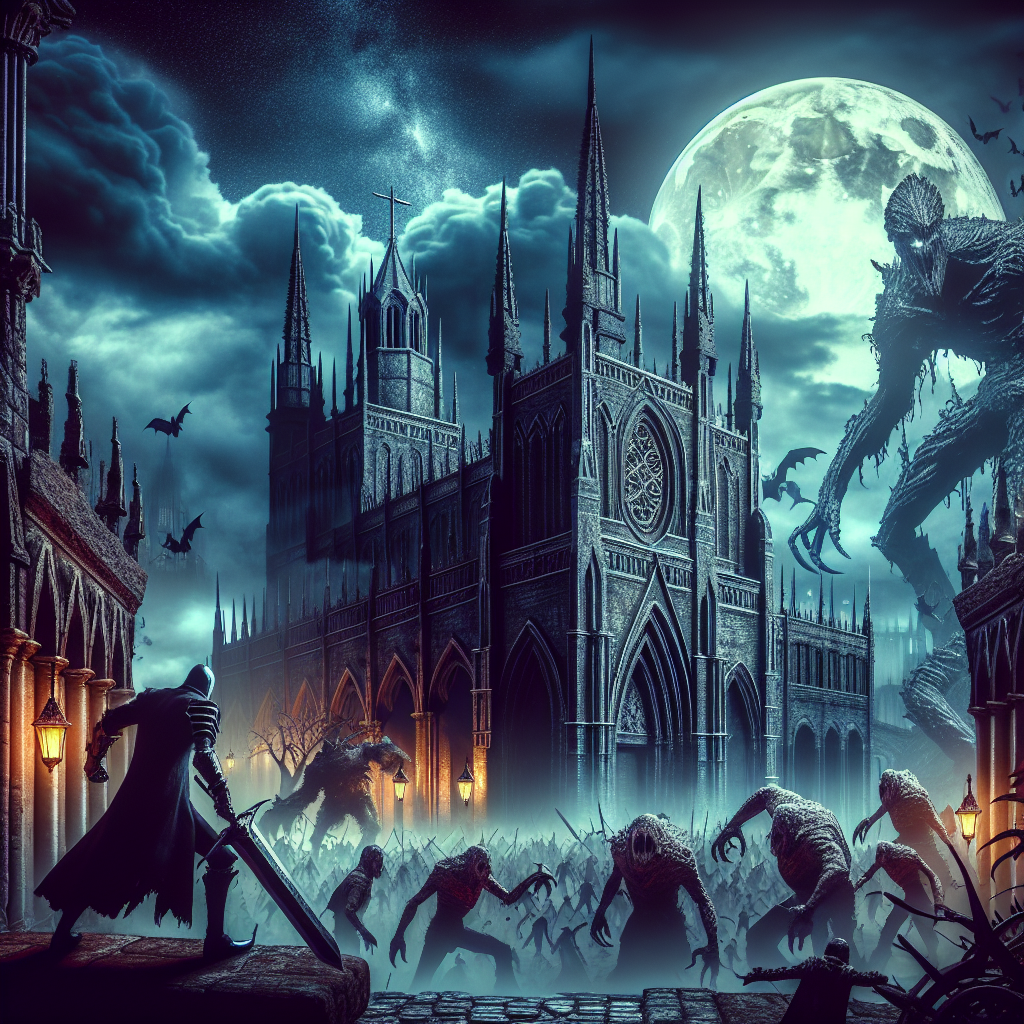
The Origins and Legacy of Bloodborne
Developed by FromSoftware and published by Sony Computer Entertainment, Bloodborne first captivated audiences in 2015 as a PlayStation 4 exclusive. As a spiritual successor to the renowned Souls series, Bloodborne elevated the action RPG genre by introducing a gothic and Lovecraftian aesthetic intertwined with high-stakes gameplay. Its intricate lore, unique combat mechanics, and atmospheric world design have earned it a cult following. The game’s allure lies in its challenging nature, engaging players in a battle of wits, reflexes, and endurance, thus creating an experience both punishing and deeply rewarding.
Distinct Combat Mechanics and Player Engagement
Unlike its Souls predecessors, Bloodborne emphasizes speed and aggression over defensive strategies. The game’s hallmark is its intense, real-time combat system that encourages players to engage enemies proactively. The combination of firearms and trick weapons adds a layer of strategic depth to encounters. Firearms are not mere offensive tools; they enable visceral parries, requiring players to execute perfectly timed shots that stagger opponents, offering a window for powerful counterattacks.
The mechanics of stamina management, dodging, and positioning transform each combat scenario into a tactical dance, compelling players to adapt swiftly to the challenges presented. Bloodborne’s regenerative health mechanic further enriches its dynamic combat. Upon receiving damage, players have a brief window to regain health by striking enemies, incentivizing aggressive re-engagement rather than retreat.
Meticulously Crafted World and Lore
Bloodborne immerses players in the grim, foreboding city of Yharnam—a setting steeped in mystery and danger. The game’s exceptional art direction and atmospheric storytelling contribute to a palpable sense of place. Architectural grandeur and decrepitude seamlessly coexist in the city, reflecting an environment where history and decay are intertwined.
Yharnam is a sprawling labyrinth, where each street corner, alleyway, and elevation change is meticulously designed to enhance exploration and discovery. The interconnected world is teeming with secrets, inviting players to uncover hidden paths, shortcuts, and lore pieces. Environmental storytelling is key, with every item description, character encounter, and vista advancing the narrative.
In Bloodborne, lore is not served directly but uncovered like a puzzle. Players piece together the game’s rich narrative tapestry through cryptic dialogues, item descriptions, and visual cues. This storytelling approach fosters a sense of mystery and intrigue. Themes of madness, forbidden knowledge, and existential horror beckon players to ponder the deeper implications of their journey.
The Challenge of Difficulty and Its Allure
Bloodborne’s reputation for difficulty is central to its appeal, challenging players at every turn. The game does not handhold; rather, it demands mastery. Each enemy encounter is a learning opportunity, pushing players to refine tactics, timing, and knowledge of enemy behaviors. The absence of tutorials on boss strategies requires players to rely on observation, experimentation, and perseverance.
The steep learning curve in Bloodborne transforms initial frustrations into satisfaction. Success hinges on adaptation and resilience, rewarding players with an unparalleled sense of accomplishment. Whether defeating a formidable boss or unraveling an obscure story element, every victory feels well-earned. This implementation of challenge versus reward is one reason the game maintains a devoted following.
Community and Cultural Impact
Bloodborne’s legacy extends beyond single-player experiences, fostering a vibrant player community. Online multiplayer elements, such as co-op and PvP modes, encourage camaraderie and competition. Summoning players to assist with difficult bosses or invading another player’s world elevates the social interplay, adding new layers to the gameplay loop.
Community-driven events, speed runs, and challenge videos contribute to ongoing engagement. Lore discussions and fan theories showcase the game’s enduring narrative and thematic resonance. The cultural impact of Bloodborne is evidenced by its influence on game design and storytelling within the industry, inspiring future titles to adopt its principles of challenging gameplay and intricate lore.
Visual and Auditory Excellence
Bloodborne distinguishes itself with a unique visual style that blends grotesque beauty with unsettling horror. The art direction embraces a gothic aesthetic enriched with Lovecraftian elements, while the creature design evokes terror and fascination in equal measure. Each enemy is crafted to embody the game’s themes of transformation and the macabre.
The game’s sound design further enhances its atmosphere. The haunting soundtrack, composed by Tsukasa Saitoh, Ryan Amon, and others, escalates tension and underscores the emotional weight of players’ experiences. Ambient noises, enemy growls, and environmental echoes immerse players in Yharnam’s menacing world, creating an almost tangible sense of dread and urgency.
Influence on Modern Game Design
Bloodborne’s pioneering approach to storytelling, difficulty, and game design has left a lasting impression on modern video games. Its success has inspired other developers to craft experiences that prioritize player agency, emergent narrative, and atmospheric world-building. By eschewing traditional narrative delivery in favor of environmental and item-based storytelling, Bloodborne encourages player participation, a trend increasingly seen in recent titles.
The emphasis on skillful, responsive combat and minimal handholding has influenced a shift in action game design, with developers across the industry adopting similar philosophies. Bloodborne’s impact illustrates a desire among players for experiences that challenge, enrage, and ultimately satisfy, demonstrating that there is beauty in adversity.
The Streamer and Let’s Play Revolution
In today’s era of streaming and Let’s Plays, Bloodborne is a staple for content creators showcasing challenging and engaging games. The unpredictable nature of its gameplay, coupled with the player’s strategy and style, makes for captivating viewing. Viewers are drawn to the shared experience of conquering arduous challenges and uncovering hidden stories.
Streamers and players leveraging platforms like Twitch and YouTube have contributed significantly to Bloodborne’s sustained popularity. Community involvement through live chat discussions and collaborative problem-solving fosters a shared journey of exploration and discovery. The shared struggle and triumphant victories resonate with audiences, providing an emotional connection beyond passive observation.
A Timeless Experience
Seven years after its release, Bloodborne remains an exemplar of video game artistry. Its blend of ruthless gameplay, immersive storytelling, and visual magnificence creates an enduring journey that resonates with players long after their initial foray into Yharnam. As an ever-evolving beacon of challenge, Bloodborne continues to inspire generations of players and developers, cementing its status as a seminal work in the realm of interactive entertainment.





Post Comment