The Art of Clutching: How to Win 1vX Situations in Valorant
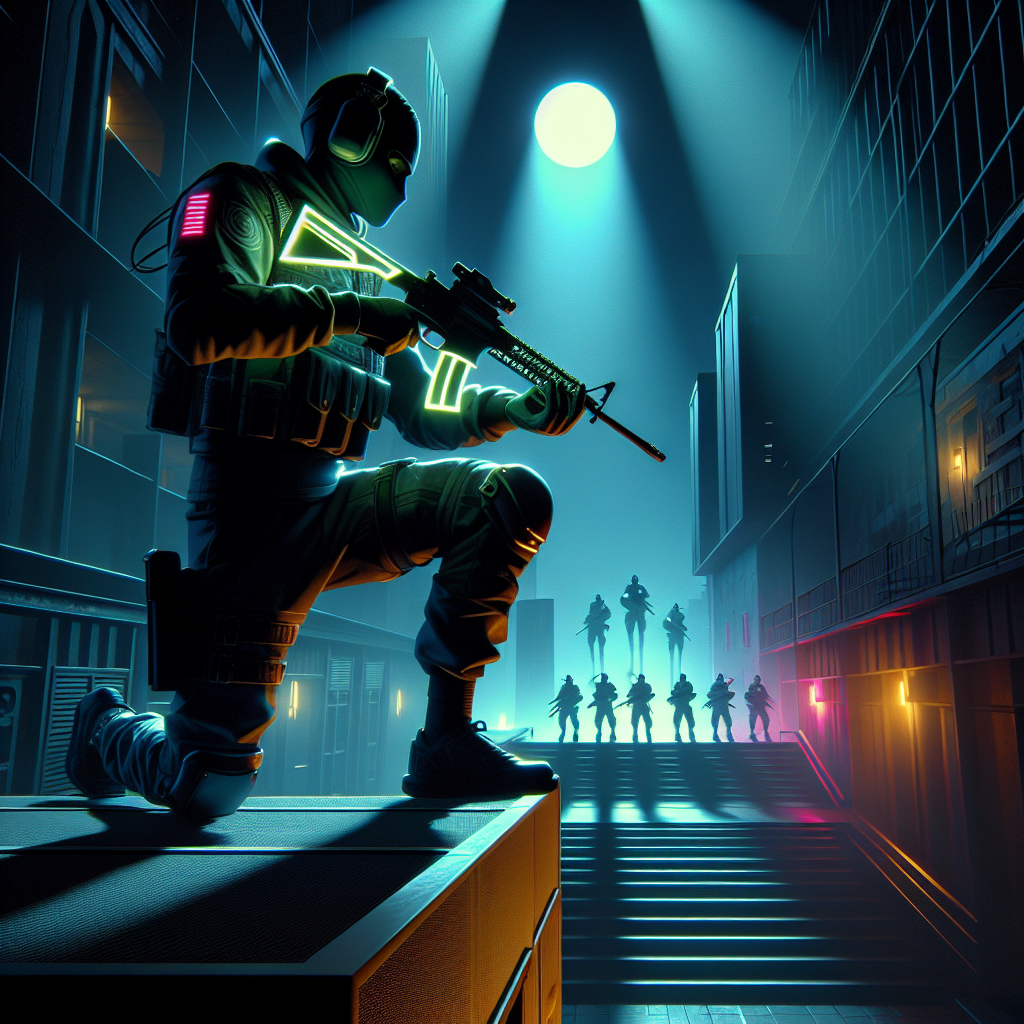
Understanding the Mechanics of Clutching in Valorant
In the dynamic world of Valorant, a clutch refers to winning a round despite being the last player alive on your team against multiple enemies. This art of clutching is not just about raw aim or reflexes; it involves a deep understanding of game mechanics, strategy, and mental fortitude. To win 1vX situations consistently, one must combine these elements effectively. Clutching is an opportunity to turn the tides of a match, potentially leading your team to victory.
Map Knowledge and Positioning
Map knowledge is fundamental in clutch scenarios. Understanding the layout of maps allows players to anticipate enemy movements and find optimal positions for defensive holds or attacking maneuvers. Being aware of common hiding spots, angles, and choke points gives a distinct advantage. Players should also leverage the sound cues from enemy footsteps or abilities to approximate enemy positions. Smart positioning means utilizing cover effectively, learning how to isolate enemies, and predicting rotations or flanks.
Positioning also involves strategic use of high-ground areas and tight corners that allow for quick peeks and repositions. This forces enemies into unfavorable angles when engaging, giving you an upper hand. It’s wise to adopt unpredictable movement patterns, which make you a harder target to track and hit.
Weapon and Utility Usage
Weapon selection and management is crucial in one-versus-many settings. Depending on the situation and your economic status in the game, choosing the right weapon can make or break a clutch. For instance, rifles like the Phantom or Vandal offer versatility and stopping power. Yet, mastering different weapons allows adaptability, whether you have to work with a pistol or a sniper rifle like the Operator.
Utility usage, on the other hand, can only level the playing field. Every agent in Valorant comes with unique abilities that can change the outcome of a round. Employing utilities to block sightlines with smokes, gather information with recon abilities, or delay enemy pushes with molotov-type abilities is crucial. Effective utility usage can disorient and divide enemies, allowing the lone player to take them down one by one.
Psychological Aspect and Mind Games
Clutching is as much about mental gameplay as it is mechanical skill. The psychological aspect involves maintaining composure under pressure and projecting it onto your opponents. Playing mind games, such as faking rotations or making noise at one site only to strike at another, can confuse enemies and shift the element of surprise in your favor.
Furthermore, manipulating the clock is another psychological tool. Knowing when to play aggressively versus when to slow down the pace can unsettle opponents. Late-round decision-making is crucial; using the timer to your advantage can force the enemy to make mistakes as they rush to complete objectives, opening them up for easy takedowns.
Developing Game Sense and Adaptability
Game sense refers to the intangible understanding of the game—predicting enemy actions, anticipating their strategies, and reacting accordingly. This involves reading the enemy team’s compositions and adapting your playstyle as the match progresses. Whether you’re dealing with aggressive pushers or passive defenders, adaptability is key.
Learning from past encounters, whether during the current game or from prior experiences, enhances game sense. Watching professional matches or reviewing your gameplay can highlight areas for improvement and introduce new strategies. Real-time adaptability is about making quick adjustments to your plan based on how the opponent reacts.
Practicing Aim and Reflexes
No clutch is complete without precise aim and sharp reflexes. Perfecting your aim can significantly increase your chances of winning shootouts. Regular practice Regimens like aim trainers, deathmatch sessions, and recoil control drills can help improve accuracy and reaction time. Crosshair placement plays a critical role; always keeping your crosshair at head level and pre-aiming common angles can result in swifter, more effective engagements.
Reflexes can be honed through consistent practice and mental preparation. Doing exercises that improve hand-eye coordination, such as reaction time tests or fast-paced gaming modes, can help maintain high responsiveness during intense clutch situations.
Leveraging Communication and Information Gathering
In a 1vX situation, communication might seem redundant since your team is out, but using the available information is vital. If teammates fall just before your clutch scenario, precise call-outs can give you critical insights on enemy positions, utility usage, or weak points you can exploit. Moreover, verbalizing your thought process even when alone can help maintain focus and organize your plans methodically.
Information gathering doesn’t stop when your team is down—it only intensifies. Continuously listen for audio cues, and use your abilities or weapons like the sniper to spot enemies from a distance. Any tidbit of intel can be the key to isolating opponents and winning the round.
Cultivating Clutch-Friendly Mindset
Lastly, cultivating a mindset conducive to clutching is a long-term commitment. It involves building confidence and treating each clutch as a learning opportunity rather than an insurmountable hurdle. Confidence is not about arrogance but rather believing in your preparation and abilities. Developing a routine that puts you in a focused zone before and during matches can be beneficial.
Stress management practices such as deep-breathing techniques can also help keep nerves at bay. Engaging with fellow players, sharing clutch stories, and seeking feedback helps in understanding varied perspectives and improving future performances.
In conclusion, mastering the art of clutching in Valorant is a multi-faceted endeavor. It demands a harmonious blend of mechanics, strategy, psychology, and mindset. By focusing on these aspects, players can tilt the game in their favor during those high-stakes moments, delivering impressive performances that shine through even the toughest competitions.










Post Comment