The Art Direction in Spider-Man PS5
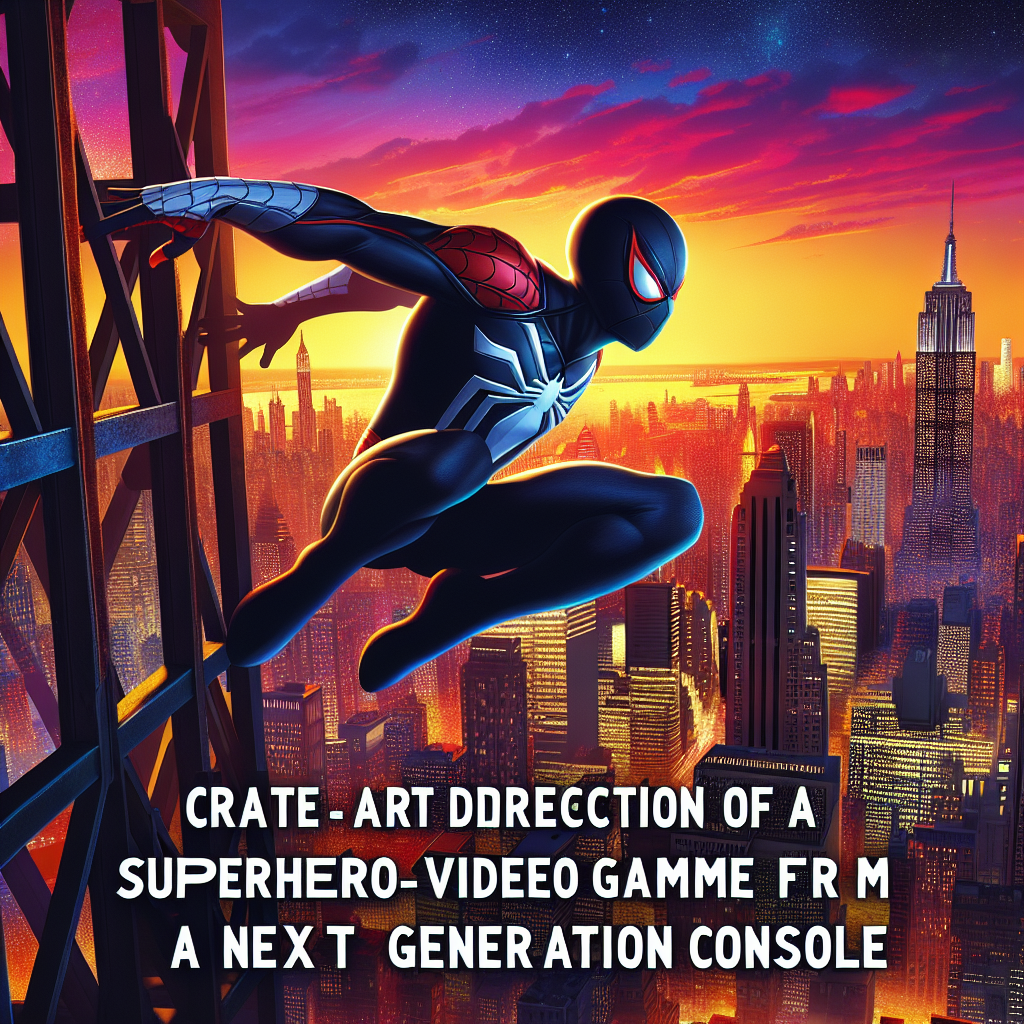
In the realm of modern gaming, few titles have managed to capture the intricate balance between visual fidelity and engaging gameplay as successfully as Spider-Man PS5. A significant contributor to this achievement is the game’s exceptional art direction, which has been meticulously crafted to enhance the storytelling experience while providing players with an immersive virtual playground.
An outstanding aspect of Spider-Man PS5’s art direction is its vibrant interpretation of New York City. Insomniac Games, the developers, have painstakingly recreated iconic locales from the Marvel universe. Attention to detail is pivotal; from the towering spires of the Empire State Building to the bustling streets of Midtown Manhattan, every square inch of the digital metropolis feels alive. The team employed advanced photogrammetry techniques to capture the essence of New York, marrying reality with the stylized comic book aesthetic that Spider-Man fans cherish. This commitment to authenticity ensures that players experience both a believable and fantastical New York, allowing the art to enhance the narrative’s thematic elements.
Moreover, the character design in Spider-Man PS5 is a masterclass in bridging the gap between realism and artistic stylization. The protagonist’s suits are meticulously designed, each with a unique flair that resonates with particular story arcs and player preferences. Whether it’s the resilient texture of the classic Spider-Man suit or the sleek, futuristic lines of the Advanced Suit, the craftsmanship is apparent in every stitch and seam. The deliberate use of color, contrasting the bright blues and reds of Spider-Man’s costume against the darker tones of his adversaries, visually communicates the dichotomy between heroism and villainy. This contrast enhances gameplay by immediately drawing player focus to key narrative elements during action sequences.
Ray tracing technology has been effectively utilized to bring unparalleled realism to Spider-Man PS5. This visual enhancement allows for lifelike reflections and dynamic shadows, heightening the immersion factor for the player. In a city that never sleeps, the reflections of neon signs shimmering in puddles and the crisp afternoon shadows cast by skyscrapers add layers of depth to the visual storytelling. Artistic choices in lighting design highlight the significant themes throughout the game, with softer, warmer tones often associated with moments of personal introspection or key emotional beats, whereas cooler, harsher lighting accompanies the game’s more intense scenarios.
The environmental storytelling in Spider-Man PS5 is rendered with finesse, providing subtle narrative cues through its art direction. Graffiti and street art often tell their own stories, hinting at the underlying societal tensions in the city. The meticulous design of interiors, such as Doctor Octavius’s lab or the inner sanctum of Martin Li’s headquarters, further enriches the gaming experience. These interiors are filled with environmental clues—scattered papers, personal belongings, project schematics—that offer insights into character motivations and backstories without the need for explicit exposition.
Spider-Man PS5 also embraces a dynamic weather system, allowing for different atmospheric conditions that affect both the gameplay and its aesthetic appeal. The transition from a sun-drenched afternoon to the ominous haze of a looming storm is seamless, impacting the game’s tone while providing visual variety in the open-world environment. Particularly noteworthy are the beautifully animated weather effects such as snow and rain, which not only enhance the city’s ambiance but also affect gameplay with increasingly varied challenges for players to navigate.
Character animations play a pivotal role in the game’s art direction. Spider-Man’s movement is both fluid and dynamic, perfectly encapsulating the agility one associates with the iconic superhero. Every swing, leap, and punch is crafted to convey a sense of motion that feels both fast-paced and natural. The incorporation of motion capture technology ensures that facial animations are expressive and nuanced, bringing characters to life and adding emotional weight to their interactions, whether it’s a heartfelt dialogue with Mary Jane or an intense confrontation with the Sinister Six.
The art direction smartly incorporates elements of the broader Spider-Man mythos, taking inspiration from various comic book iterations while establishing a distinctive identity. The nods to different Spider-Man eras and storylines are skillfully woven into the game’s visuals, serving both as Easter eggs for long-time fans and as visual richness for the uninitiated. These elements are deftly integrated into the urban landscapes, costume designs, and even some enemy appearances, creating a rich tapestry that celebrates the beloved legacy of this superhero.
One of the subtler, yet powerful facets of the game’s art direction is the use of cinematography in its cutscenes. The framing of characters and action during pivotal story moments borrows heavily from film techniques, emphasizing emotional beats or heightening tension with strategic camera angles and movements. This cinematic approach ensures that the narrative unfolds with a visual elegance that draws players deeply into the game’s narrative arc, effectively creating a bridge between the interactive and cinematic experiences.
Spider-Man PS5’s audio-visual synergies further bolster its art direction. The sound design complements the visual elements, from the ambient noises of city life to the adrenaline-pumping music that accompanies Spidey’s acrobatics. These auditory enhancements work in tandem with the visuals to ensure that every swing and encounter resonates, reinforcing the emotional and thematic undertones of the narrative.
Culturally, the art direction of Spider-Man PS5 stands as a testament to modern gaming’s capacity to blend technology with traditional artistic methods to create something truly special. It distinguishes itself through a marriage of imaginative design, cutting-edge technology, and narrative prowess, achieving a level of artistry that sets a high standard for future titles within the superhero genre and beyond.
Thus, thanks to meticulous attention to detail and innovative techniques, Spider-Man PS5’s art direction elevates player immersion, ensuring that every second spent in its sprawling digital metropolis feels both wondrous and genuine.










Post Comment