The Aesthetics of Bloodborne: A Gothic Masterpiece
The Gothic genre has long fascinated audiences with its blend of horror, romance, and mystery, deeply exploring themes of the sublime and the grotesque. In the realm of video games, few titles embody these principles as effectively as FromSoftware’s “Bloodborne.” Released in 2015 for the PlayStation 4, Bloodborne stands as a noteworthy exemplar of Gothic aesthetics, intertwining narrative depth with visual and auditory immersion to create an unparalleled atmospheric experience.
#### Gothic Architecture and Environmental Design
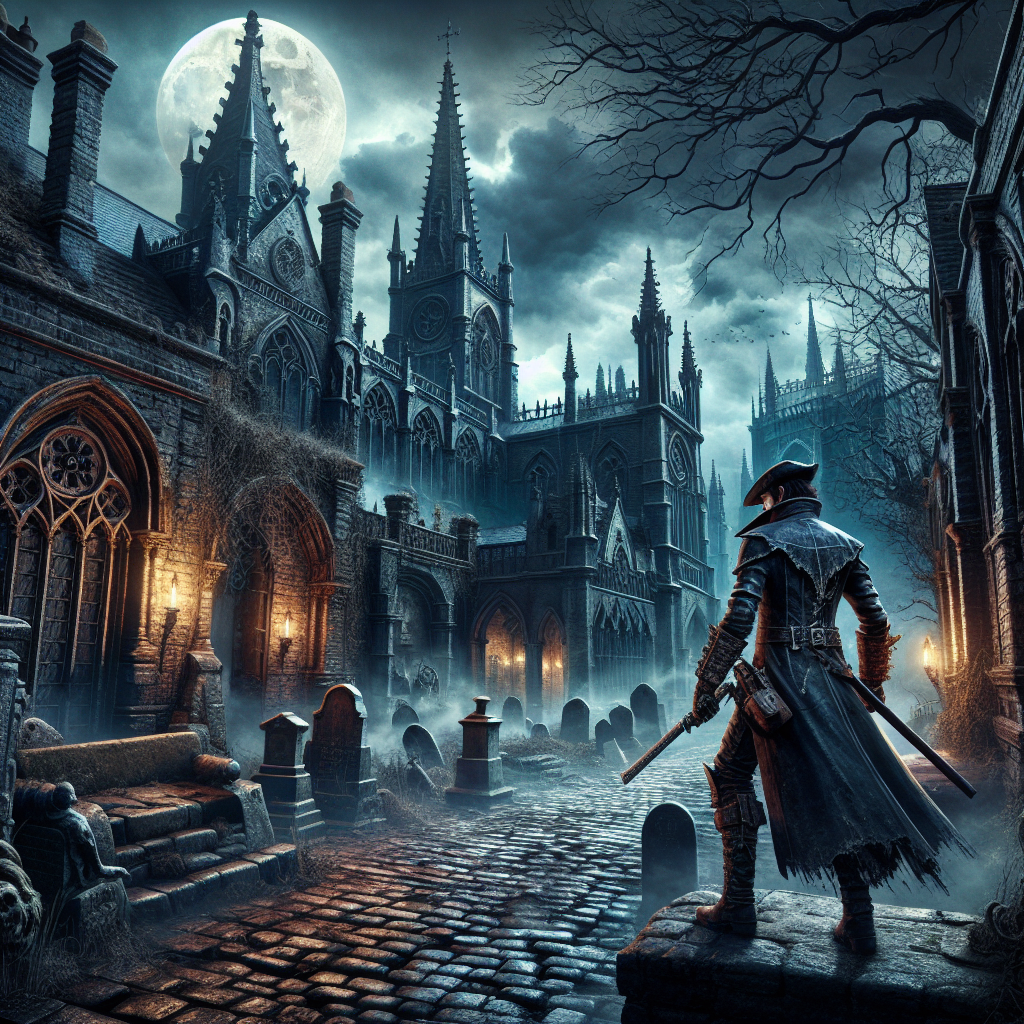
Nothing speaks to the Gothic nature of Bloodborne more than its architectural landscapes. Yharnam, the game’s primary setting, is a sprawling cityscape that bears a striking resemblance to Victorian London, replete with towering spires, labyrinthine alleyways, and ominous cathedrals that loom large over the player. Every corner of Yharnam seems to echo with stories of decay and dread, creating a sense of perpetual unease. This architectural design is steeped in the Gothic tradition of heightening the emotional state of awe and sublimity, compelling players to both admire and fear the overwhelming edifices that loom above them.
Moreover, the level design perfectly complements the Gothic atmosphere. The interconnected world encourages exploration, much like the narrative complexities of Gothic literature which often lead characters down unexpected paths. Fog-laden streets, flickering lanterns, and the ever-present moonlight cast eerie shadows, punctuating moments of silence with unsettling whispers of the lurking dangers hidden in the fog. This carefully crafted environmental storytelling is crucial in evoking feelings of isolation and foreboding, staples of the genre’s emotional impact.
#### The Influence of Lovecraftian Horror
While Bloodborne is undeniably rooted in Gothic traditions, it also incorporates elements of Lovecraftian horror, effectively broadening its aesthetic appeal. This subgenre is characterized by the cosmic horror of the unknown and the insignificance of humanity within a vast, indifferent universe. As players delve deeper into the world, they encounter beings and phenomena that defy comprehension, echoing H.P. Lovecraft’s idea of the “unknowable.”
The visual design of these beings is deliberately unsettling, combining familiar organic forms with alien grotesqueries. This fusion enhances the sense of dread and wonder, reminiscent of Lovecraft’s monstrous deities. The narrative, while murky at first, gradually unveils layers of cosmic horror through cryptic messages, item descriptions, and environmental cues, challenging players to piece together a larger, deeply disturbing mythology.
#### Symbolism and Narrative Themes
Bloodborne’s narrative is rich with symbolic imagery and thematic depth, inviting numerous interpretations, much like classic Gothic literature. Central to the story is the theme of the human condition and the folly of seeking forbidden knowledge, paralleling the tragic pursuits in Mary Shelley’s “Frankenstein” or Bram Stoker’s “Dracula.” The game explores mankind’s hubris in attempting to transcend human limitations, resulting in catastrophic consequences.
The blood motif pervades the game, serving both as a source of power and a curse. This duality reflects the Gothic theme of dual nature — beauty intertwined with monstrosity. The transformation of humans into beasts as a result of their bloodlust can be seen as a commentary on societal decay and the loss of humanity’s moral compass. These themes are woven seamlessly into gameplay mechanics, where blood is both the source of healing and aggressor, constantly reminding the player of the delicate balance between life and death.
#### Character Design and Costuming
Character design in Bloodborne is another crucial element that enhances its Gothic aesthetics. Hunters, the protagonists of the game, are clad in period-appropriate attire reminiscent of Victorian-era clothing, including long coats, hats, and intricate embroidery. This attention to detail not only grounds players in the game’s historical influence but also emphasizes the blend of elegance and brutality, a hallmark of Gothic aesthetics.
The grotesque design of the enemies reinforces the horror aspect of the game. From the emaciated, wolf-like beasts that prowl the streets to the Eldritch-abominations guarding ancient secrets, each foe embodies the fear of the “other,” a prevalent concern in Gothic narratives. Additionally, the grotesque is often employed to evoke sympathy, with many enemy designs hinting at their tragic pasts as former humans, an aspect that evokes the Gothic theme of the tragic hero or anti-hero.
#### Sound Design and Music
In crafting an oppressive Gothic ambiance, audio design plays an indispensable role. The soundscape of Bloodborne is meticulously engineered to evoke tension and unrelenting dread. Ambient sounds — the distant howls, the slow creak of iron gates, and the haunting cries of unseen creatures — are layered to create an immersive dread that envelops players fully.
The score, composed by Tsukasa Saitoh, Ryan Amon, and others, leverages a full orchestra to provide a sweeping, dramatic auditory backdrop that enriches the game’s atmospheric tension. Melodic themes are operatic and foreboding, characterized by haunting violin solos, choral arrangements, and booming percussion. These soundtracks accompany pivotal moments of the game, heightening emotional impact and further drawing players into Yharnam’s Gothic embrace.
#### The Role of Light and Darkness
The interplay of light and darkness in Bloodborne is crucial in establishing the game’s mood. Darkness shrouds corners and alleys, creating fear of the unknown and inviting players to proceed with caution. Conversely, light serves as both a respite and a guide, with strategically placed lamps providing the only safe havens in an otherwise hostile environment. This use of chiaroscuro not only emphasizes the visual contrast but also symbolizes the greater philosophical battleground between reason and madness.
The recurring motif of the moon also plays a significant role, its pale glow seeping through clouds and illuminating the night’s proceedings. The moon’s cycle is tied to the game’s progression, affecting the world state, and serves as a constant visual reminder of the mystery and inexplicable nature of Yharnam’s fate.
#### The Psychogeography of Yharnam
Psychogeography, the idea that a physical environment influences a person’s emotions and behaviors, is intricately woven into Bloodborne’s design. Each district of Yharnam tells its own story: the desolate Old Yharnam speaks of a past ravaged by plague, while the grandiose Cainhurst Castle reveals legacies of aristocratic hubris and vampiric lore. Combined, these locations form a tapestry of narratives that engage players in a non-linear exploration of a world on the brink of madness.
Such an approach enables different layers of understanding and emotional reaction based upon a player’s progression and curiosity. Weighted with history and hidden narratives, the environments of Bloodborne demand exploration and reflection, drawing players deeper into their mysterious lore and aesthetic beauty.
#### Player Agency and Existential Horror
Ultimately, Bloodborne places its narrative power in player agency and decision-making, enabling multiple endings that develop the player’s relationship with the world and its overwhelming forces. This design choice parallels the existential themes found in Gothic horror, forcing players to confront their own sense of powerlessness against uncontrollable natural forces. The endings, much like in classic Gothic tales, offer no respite and little resolution, ensuring that players remain haunted by their choices and experiences long after the game’s conclusion.
In conclusion, Bloodborne epitomizes a modern Gothic masterpiece through its layered narrative, atmospheric design, and profound philosophical underpinnings, solidifying its status as an artistic triumph that continues to captivate and challenge audiences worldwide.





Post Comment