Roblox and the Art of Virtual Storytelling
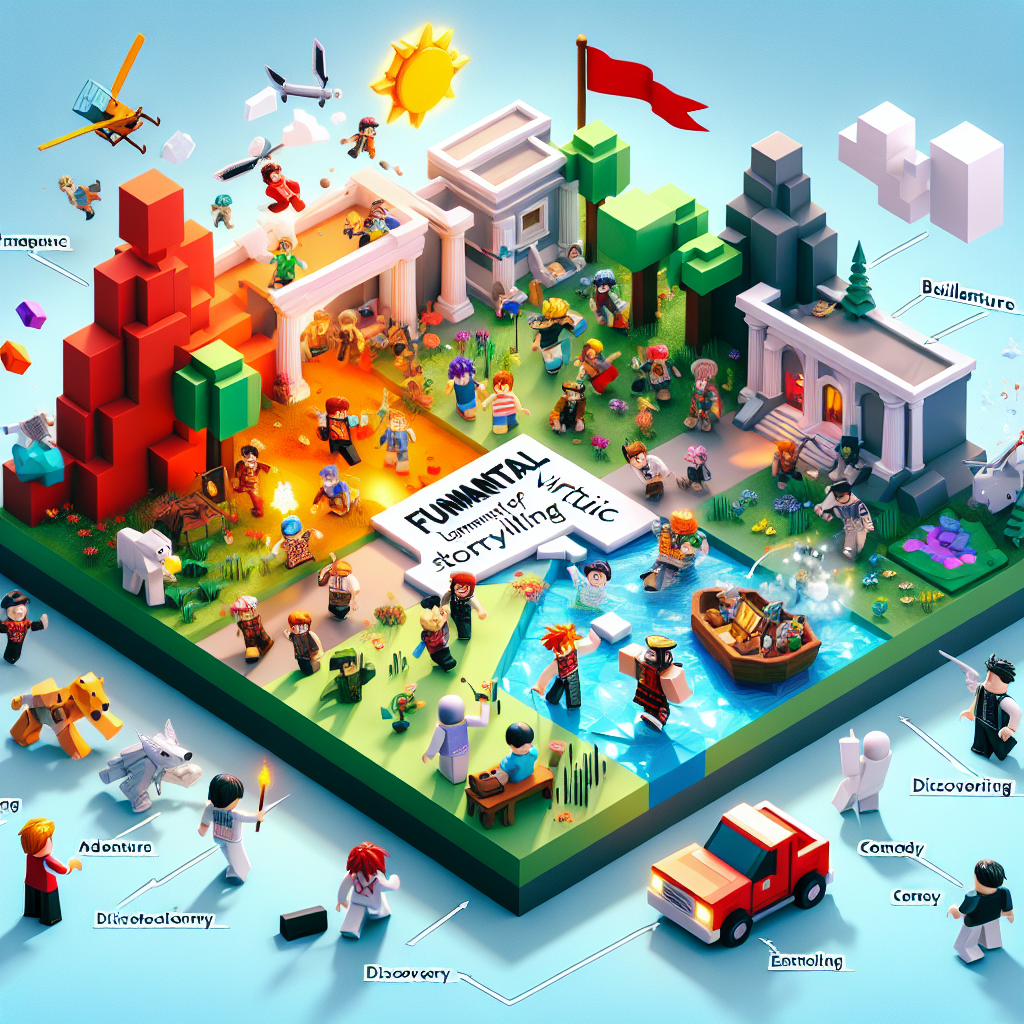
Roblox, a globally renowned online platform, has redefined digital interaction by providing a unique canvas for creative expression and virtual storytelling. By allowing users to design and share their games, Roblox has cultivated an expansive ecosystem where creativity and narrative innovation intersect. This flexibility forms the backbone of its success, attracting millions of active users who collectively contribute to the fascinating world of virtual storytelling across diverse genres.
At the heart of Roblox’s appeal is its simplicity and accessibility. The platform’s development tool, Roblox Studio, empowers anyone with an idea to create immersive experiences, regardless of their prior programming knowledge. This democratization of game development encourages a rich variety of narratives, from simple adventure quests to complex, interactive stories that rival professionally developed titles.
The narrative potential within Roblox is vast due to its built-in Lua scripting language, which allows developers to implement elaborate and dynamic storytelling techniques. This scripting capability facilitates the creation of interactive elements such as branching storylines, multiple endings, and player-influenced plots, captivating users and providing them with a sense of agency. This agency is a crucial aspect of storytelling, as it promotes engagement and ensures that users are not mere spectators but active participants in the narrative unfolding before them.
Roblox’s community-driven approach fosters collaboration, another cornerstone of its storytelling success. The platform encourages users to share assets and knowledge through its Developer Forum and extensive marketplace. This collaborative environment enables creators to build upon each other’s work, sparking innovation and pushing the boundaries of virtual narrative development. Team-based projects often produce high-quality experiences, weaving intricate stories that draw players back time and again.
Moreover, Roblox’s social features enhance storytelling by enabling multiplayer experiences where players can embark on adventures together or compete in challenges against one another. These social interactions create emergent narratives as players form alliances, rivalries, and friendships within the game’s context. The real-time communication and shared experiences foster a sense of community and collective storytelling that is both compelling and unpredictable.
The integration of user feedback is another critical component in the refinement of storytelling within Roblox. The platform’s iterative development culture encourages creators to release early versions of their games, gather player feedback, and make improvements. This feedback loop ensures that stories are dynamic and evolving, often leading to the development of fresh narrative twists and enhanced gameplay features that keep audiences engaged.
Roblox’s emphasis on event-based storytelling further enriches its narrative capabilities. Many developers design their games around time-limited events or seasonal content updates, creating a sense of urgency and anticipation among players. These events often tie into broader narratives, adding layers of lore and depth that expand the game world and keep players deeply invested in the storyline.
The diversity of genres available on Roblox highlights the platform’s flexibility in storytelling. Creators have the freedom to explore fantasy, science fiction, horror, mystery, and more, each offering distinct narrative conventions and styles. This variety ensures that there is something for everyone, increasing the platform’s appeal across different demographics and interests.
Educational storytelling is another growing trend on Roblox, blending entertainment with learning. Educators and developers collaborate to create informative experiences that teach subjects ranging from history and science to coding and environmental awareness, all enveloped within engaging narratives. This educational aspect not only adds value to the platform but also demonstrates the versatility of storytelling in virtual contexts.
Monetization strategies available to creators on Roblox also play a role in the sustainability of storytelling on the platform. By offering in-game purchases and premium experiences, developers can support their projects financially, incentivizing the continued creation of high-quality content. This revenue enables creators to invest more in storytelling elements, such as professional voice acting, custom animations, and high-quality soundtracks, further enriching the virtual narratives they produce.
Additionally, the role of visual aesthetics in storytelling within Roblox cannot be understated. Despite the platform’s reliance on blocky, simplistic graphics reminiscent of early-era games, creative developers leverage these limitations to craft visually distinct worlds. The creative use of color, lighting, and design can significantly enhance narrative atmospheres, evoke emotions, and convey themes integral to the story being told.
The cultural impact of Roblox’s storytelling capabilities is significant. Many developers use the platform to convey personal stories or comment on social issues, offering insights into diverse perspectives and experiences. These virtual narratives provide a safe space for exploration and dialogue on topics that might be challenging to approach in real life, such as identity, mental health, and global concerns.
Roblox’s built-in analytics tools offer developers insights into player behavior and preferences, which can inform narrative decisions. By understanding the aspects of the story that captivate or disinterest their audience, creators can tailor their content to better align with player expectations, enhancing the overall storytelling experience and ensuring player satisfaction.
In the age of streaming, Roblox games with compelling narratives also find an audience outside the platform, as content creators on platforms like YouTube and Twitch showcase these experiences to their followers. This additional exposure not only amplifies the stories being told but also drives new players to engage directly with these captivating narratives, creating a continuous loop of engagement and expansion.
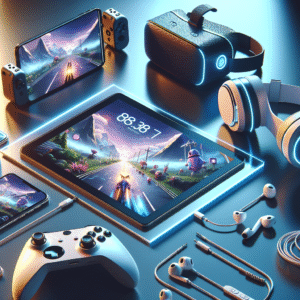
The convergence of narrative and technology is epitomized by Roblox’s integration of virtual reality (VR). As VR becomes more accessible, developers can craft even more immersive storytelling experiences that blur the line between reality and fiction. This technological advancement promises to further elevate the quality and depth of virtual storytelling on Roblox, opening new possibilities for interaction and immersion.
Ultimately, Roblox represents a paradigm shift in how stories are told and consumed in the digital age. Its unique combination of creativity, community, and technology has established it as a formidable platform for virtual storytelling, engaging millions of players and creators worldwide in a shared journey of imagination and discovery.


Post Comment