Returnal: Exploring the Intricacies of the Looping Narrative

Returnal, a groundbreaking video game developed by Housemarque and exclusively published for the PlayStation 5 by Sony Interactive Entertainment, has garnered attention for its complex narrative woven into a roguelike framework. The game exemplifies a compelling blend of intense action and mysterious storytelling, where players assume the role of Selene Vassos, an astronaut trapped in a time loop on an alien planet named Atropos. To examine Returnal is to delve into a rich tapestry of narrative complexity, gameplay dynamics, and thematic depth.
Returnal employs a looping narrative structure that is both innovative and intricate. The storyline begins with Selene crash-landing on Atropos while responding to a mysterious signal called the ‘White Shadow’. Immediately, players are thrown into a seemingly endless cycle of life and death as Selene explores various biomes, each crafted with intricate detail and filled with hostile alien species. As a roguelike game, each cycle is unique, with environments, enemies, and items rearranged, ensuring no two runs are the same. Upon each death, Selene reawakens at the crash site, retaining only sparse fragments of her previous attempts.
The narrative brilliance of Returnal lies in its non-linear storytelling. Players piece together the story through environmental cues, audio logs, and cryptic messages scattered across Atropos. Each death and subsequent rebirth adds layers to Selene’s story, revealing insights and raising questions as she unravels memories that don’t always seem to belong to her. This approach mirrors the feelings of disorientation and mystery that pervade the game.
Returnal’s psychological intrigue is amplified through its narrative devices. Selene frequently encounters versions of her past self, in the form of deceased corpses bearing messages or audio logs from past cycles. These encounters create an atmosphere of existential dread, as players must ponder Selene’s sanity and the nature of her reality. The house sequences, which represent Selene’s subconscious dismay, further contribute to the psychological exploration. Played from a first-person perspective, these sections contrast starkly with the third-person action of the main game, offering a slower-paced exploration of Selene’s tormented psyche.
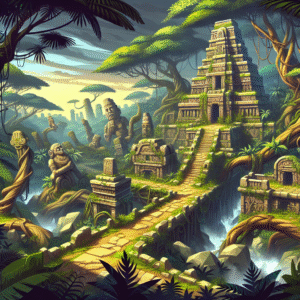
Housemarque adeptly uses the game’s audio-visual design to support Returnal’s exploratory narrative structure. The alien landscapes of Atropos are vividly rendered, with biomes that transition from hauntingly beautiful to stark and barren, befitting the planet’s mysterious nature. The atmospheric sound design intensifies the experience, with eerie ambient noise and unsettling audio logs that enhance the player’s immersion in this alien world.
At its core, Returnal’s narrative explores themes of persistence, memory, and identity. Selene’s repeated attempts to escape the time loop symbolize human resilience and the struggle against seemingly insurmountable odds. The nature of memory is a pervasive theme, as players question whether Selene’s recollections are her own or distorted fabrications created by the loop. As the story unfolds, elements of Greek mythology become apparent, with references to figures like Helios — Selene’s spacecraft — named after the Greek god of the Sun. These mythological allusions deepen the game’s narrative complexity, suggesting parallels between Selene’s journey and mythic quests of old.
The narrative intricacies of Returnal are further enriched by its seamless integration of gameplay and storytelling. Gameplay mechanics, such as the hostile environment and permadeath elements, reinforce the game’s thematic concerns. Every death, while a gameplay reset, is simultaneously a narrative progression, requiring players to adapt and learn from past failures. Returnal skillfully balances this challenge, ensuring that each time Selene awakens anew, players are equipped with a more profound understanding of the game’s mechanics and story, fostering an experience that is both punishing and rewarding.
Returnal’s bosses, each guarding a key part of Selene’s journey, play a crucial role in the narrative progression. These monumental encounters are more than mere obstacles; they symbolize internal and external conflicts that Selene must overcome. Successfully defeating a boss grants not only a tangible reward necessary for progression but also serves as a metaphorical triumph over an aspect of Selene’s internal struggle.
One of Returnal’s most talked-about aspects is its approach to the concept of time. The loop structure poses philosophical questions about determinism and free will. Is Selene destined to repeat her actions endlessly, or do her choices alter the fabric of her reality? Throughout the game, deliberate ambiguity keeps players questioning the significance of their actions and choices, making each cycle both a new beginning and an inevitable end.
Returnal also stands out due to its remarkable use of cutting-edge technology available on the PlayStation 5. The console’s SSD and DualSense controller contribute to the storytelling, with the former facilitating near-instantaneous load times that enhance the player’s immersion during death-respawn cycles. The DualSense controller, with its haptic feedback and adaptive triggers, allows players to feel the intensity of the gameplay, from the trigger resistance of Selene’s weapons to the subtler vibrations depicting environmental changes. These features enhance players’ connection to the narrative by providing tactile feedback that aligns with Selene’s experiences in the ever-hostile world.
The game’s final act and subsequent ending invite various interpretations, as Housemarque deliberately presents a conclusion that wraps up Selene’s journey ambiguously. Without providing definitive answers, the ending forces players to reflect on the journey, piecing together their own understanding of Selene’s fate and the nature of Atropos. The multiple cycles continue, leaving players to ponder whether Selene achieves her freedom or resigns to her alien Sisyphean fate.
Returnal’s utilization of the roguelike framework to tell a story so sprawling and intricate is a testament to its innovation in video game narratives. Through a seamless blend of gameplay and storytelling, Returnal challenges players to question the nature of self-discovery, the malleability of time, and the meaning of existence — themes traditionally explored in literature and film but here expertly woven into interactive entertainment. Returnal stands as a bold expression of what video games can achieve, a work that is both intellectually stimulating and emotionally resonant, inviting players to lose themselves in its looping narrative.






Post Comment