Puzzles and Pathways: Navigating Temple Run 2

Exploring the Game Mechanics of Temple Run 2
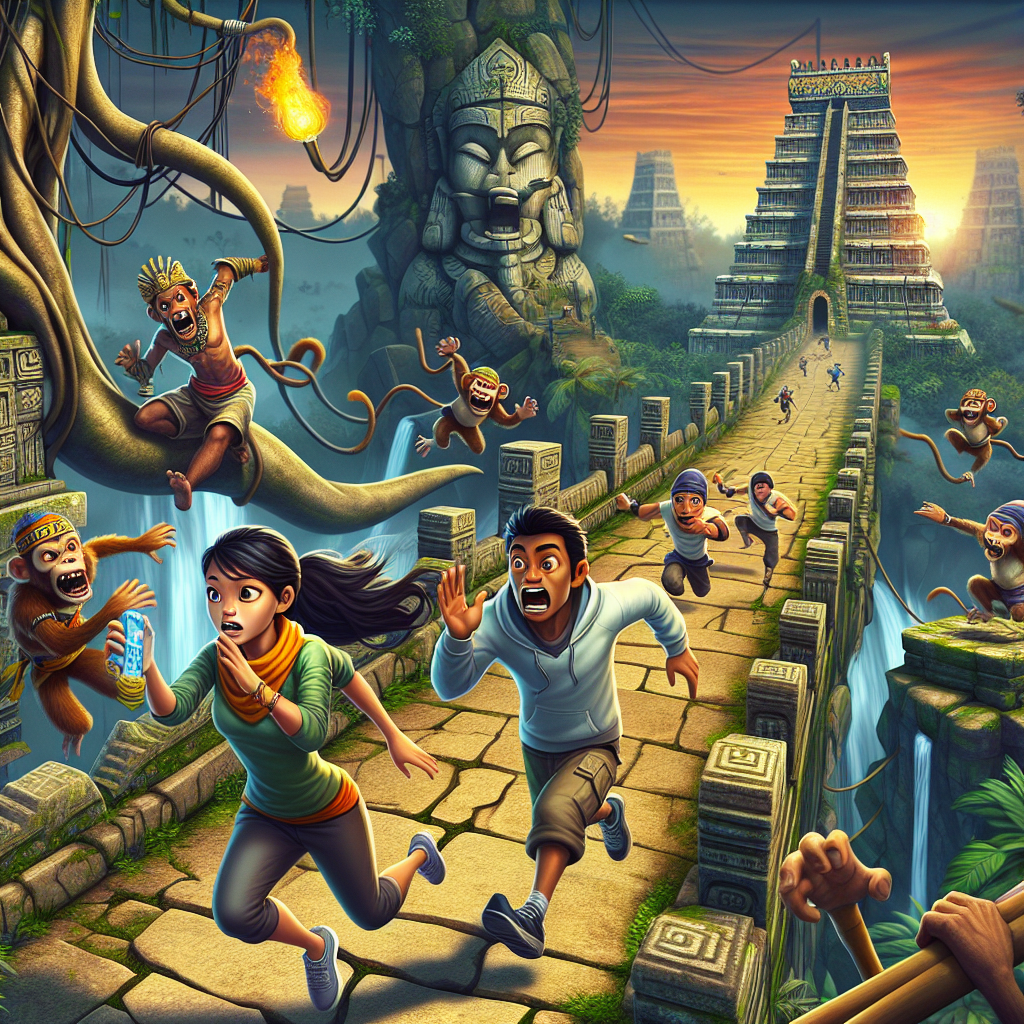
Temple Run 2, developed by Imangi Studios, expanded on its predecessor by integrating more complex game mechanics, new environments, and exciting features. When navigating the perilous pathways of Temple Run 2, players encounter a variety of environmental challenges that require quick reflexes and strategic thinking. These environments include forests, mines, and cliffs, each presenting unique obstacles and opportunities. Understanding the core mechanics of the game is crucial in navigating the treacherous pathways and achieving high scores.
Mastering Basic Controls
Mastering the basic controls of Temple Run 2 is essential for maneuvering through its labyrinthine pathways. The game employs simple swipe and tilt controls. Players swipe left or right to turn, up to jump, and down to slide under obstacles. Tilting the device helps in collecting coins and maneuvering through narrow paths. Familiarity with these controls is vital to maintaining momentum and avoiding unexpected falls or collisions. Precision in executing these maneuvers can also earn players multipliers, boosting their scores significantly.
Exploring New Features
Temple Run 2 introduced several new features that add complexity and excitement to the game. One significant addition is different characters, each with unique capabilities. For instance, some characters boast enhanced speed, while others offer additional protection against obstacles. Selecting the right character for specific pathways can provide strategic advantages.
Another engaging feature is the power-ups and artifacts scattered throughout the game. Power-ups like the shield, coin magnet, and boost are indispensable in prolonging runs and accumulating higher scores. Collecting artifacts and completing tasks unlocks additional bonuses, enhancing gameplay and providing players with more reasons to continue exploring different pathways.
Analyzing the Maze of Obstacles
Temple Run 2’s array of obstacles is strategically designed to challenge players’ reflexes and decision-making abilities. These obstacles are not just barriers but provide a compelling layer of strategy. While avoiding obstacles is a fundamental part of the game, recognizing patterns and anticipating their appearances can greatly enhance a player’s ability to navigate complex pathways.
Varieties of Obstacles
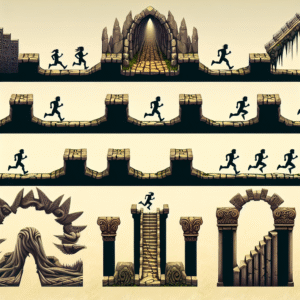
The game’s ever-evolving environments present players with a variety of obstacles. From rolling logs and fire-breathing statues to gaps and sharp turns, each hinderance requires a different strategy for navigation. Logs require jumps or slides, while gaps necessitate precise timing and judgment to leap across safely. Understanding the nature of each obstacle helps in devising strategies to tackle them effectively.
Strategies for Overcoming Challenges
Success in Temple Run 2 often depends on quick thinking and adaptive strategies. Players should aim to stay centered on paths to afford more reaction time in choosing the correct movements. Observing the rhythm and sequence of obstacles can also aid in anticipating upcoming challenges. For example, if a player notices a pattern of obstacles, preparing in advance—whether through swiping or tilting—becomes easier.
Accurate timing in utilizing power-ups, like the boost when nearing a series of obstacles, can effortlessly propel players over hurdles that would otherwise end a run. Strategic use of these power-ups and knowledge of obstacle patterns contribute significantly to achieving high scores.
Navigating through Varied Environments
Temple Run 2 broadens the gameplay experience by introducing diverse environments that evolve as players progress. Each environment offers unique path configurations and visual aesthetics, contributing to the game’s replay value and player engagement. Understanding these environments is critical for navigating them efficiently.
Navigational Challenges in Different Environments
Each environment in Temple Run 2 features distinct visual themes and obstacles. The forest, with its dense trees and sudden turns, requires acute awareness and quick responses to survive. The cliffside paths necessitate careful tilting to avoid narrow falls, whereas the mine tracks challenge players with rapid turns and unexpected jumps.
The game intermittently introduces new environments through updates, each with its own set of unique challenges. Keeping pace with these changes prevents the gameplay from becoming monotonous and elevates the player’s continuous engagement with the game.
Leveraging Environmental Features
Some environments offer features that players can leverage to their advantage. For instance, slopes in the mine can be used to gain momentum, making it easier to clear obstacles or leap over gaps. Similarly, water rapids provide speed boosts, though they demand precise control to avoid crashing. By understanding how to exploit these environmental features effectively, players gain a strategic edge in their runs.
Optimizing High Score Potential
Temple Run 2 offers numerous ways to enhance one’s scoring potential, from mastering coin collection to optimizing the use of in-game items such as gems and power-ups. Each run presents an opportunity to surpass previous scores by executing these gameplay strategies efficiently.
Efficient Coin Collection
Coins in Temple Run 2 are more than just collectibles; they serve as resources that fuel various upgrades and purchases within the game. Prioritizing coin collection without compromising safety is key. Following coin paths while maintaining awareness of surrounding obstacles is an essential skill, ensuring a steady flow of resources that can be used to unlock features or enhance abilities.
Utilizing Power-ups and Upgrades
Power-ups play a crucial role in boosting scores. The strategic activation of power-ups, such as the shield or coin magnet, can turn the tide of a run. Upgrading these power-ups using collected coins can increase their efficacy and duration, significantly boosting the player’s chances of achieving higher scores.
Utilizing gems to continue runs after a crash can also be strategic, allowing players to extend promising runs rather than starting over. Being judicious with gem use is important, as their scarcity makes them valuable in preserving them for potential record-breaking runs.
Community and Competitive Play
Beyond individual play, Temple Run 2 fosters community engagement and competitive spirit through leaderboards and community challenges. Engaging with these aspects of the game enhances the overall gameplay experience.
Understanding Leaderboards
Leaderboards in Temple Run 2 provide players a platform to showcase their skills and compare their performance with others globally. Analyzing leaderboard statistics can offer insights into new strategies and encourage players to refine their techniques for higher placements. Regular participation in these competitive settings can motivate players to improve continuously.
Participating in Challenges
Community challenges in Temple Run 2 offer a chance for players to earn exclusive rewards and display their mastery of the game. These challenges often introduce specific tasks or objectives that require players to adapt their strategies and approaches, promoting diversity in gameplay tactics. Successfully completing these challenges not only boosts player esteem but also equips them with a richer, more satisfying gaming experience.
Maintaining Engagement and Interest
One of the keys to Temple Run 2’s enduring popularity is its ability to maintain player engagement by regularly introducing fresh content and challenges.
New Updates and Content
Regular updates ensure that the game remains engaging by adding new characters, environments, and power-ups. Keeping abreast of these updates is essential for players looking to stay competitive and discover new strategies. Updates also offer technical improvements that enhance gameplay experiences, making regular engagement beneficial in multiple ways.
Personalization and Customization
The game allows for a degree of personalization through character customization and power-up selections. Tailoring these elements to suit individual play styles or thematic preferences adds a personal touch to the experience. Allowing players to choose how their characters look or behave enhances player agency and investment in the game.
All these aspects together make Temple Run 2 a rich, dynamic environment where players’ skills and strategies are constantly tested and rewarded. Understanding the nuances of each element within the game can transform casual players into expert navigators of its winding pathways.








Post Comment