Navigating Bloodborne’s Multiplayer: Co-op and PvP
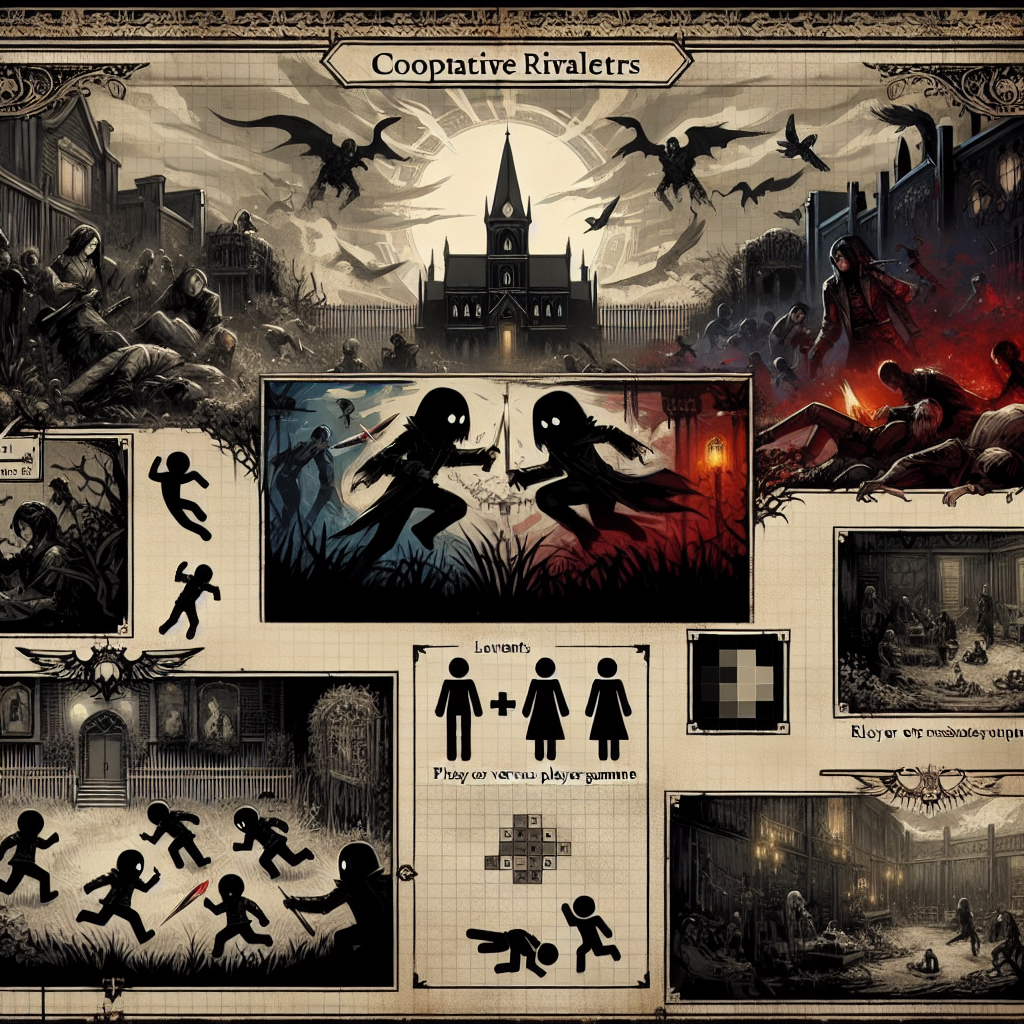
Understanding Bloodborne’s Multiplayer System
Bloodborne, developed by FromSoftware, is renowned for its intricate multiplayer system that allows players to engage in both cooperative play (co-op) and player-versus-player (PvP) encounters. Navigating these multiplayer features can be daunting for newcomers, but mastering them can greatly enhance the Bloodborne experience.
Co-op Multiplayer in Bloodborne
One of the most rewarding aspects of Bloodborne is its cooperative multiplayer feature, designed to help players tackle challenging areas and formidable bosses with the help of others. To initiate co-op play, players must utilize specific items and adhere to the game’s unique multiplayer mechanics.
Using the Beckoning Bell
To invite players into your world, the Beckoning Bell is the essential item. When rung, it connects you to other players by searching for hosts within the same region. To summon a cooperator into your world, ensure you have Insight, a valuable currency in Bloodborne, as ringing the Beckoning Bell costs one Insight. The more Insight you possess, the more enticing your world becomes to potential coop partners, as they are drawn to wet and active worlds.
The Resonant Bell
Cooperators, on the other hand, need to ring the Small Resonant Bell to join someone else’s game. The co-op system matches players who are within a specific level range, calculated using Bloodborne’s intricate matchmaking formula. Staying within a tight range ensures that the game remains challenging and balanced for both the host and the guest.
Password Matchmaking
Another critical aspect is the password matchmaking system, which allows players to easily team up with friends. By setting the same password in the game’s network settings, players can bypass level restrictions and connect directly, regardless of player level or current location within the game world.
PvP Multiplayer: The Hunt is On
PvP elements add an exciting layer of danger and unpredictability to Bloodborne, making every step you take potentially fraught with peril. PvP encounters primarily occur through invasions, where hostile players enter your game uninvited, challenging your skills and tactics.
The Sinister Bell Mechanic
The cornerstone of PvP in Bloodborne is the Sinister Bell. When the Beckoning Bell is used, there is a chance for a Bell-ringing Woman to spawn nearby. Her presence signifies a high likelihood of an invasion, as ringing her Sinister Bell invites hostile players into your world. The invader’s goal is simple: eliminate you to claim victory and reap the rewards.
PvP Etiquette and Strategy
Understanding PvP etiquette is essential for both invaders and hosts. Commonly observed rules include bowing as a greeting or before a duel begins, not attacking if an opponent is clearly unprepared or in a non-combative stance, and avoiding healing items during duels to keep the fight honorable.
Invaders must be strategic, leveraging environmental hazards and enemy mobs to gain an upper hand. Hosts, on the other hand, should try to bait invaders into traps or exploit allies in the world to deal additional damage. Mastery of parries and dodging is crucial, as is managing stamina and exploiting openings in the opponent’s defenses.
The Chalice Dungeons: PvP Haven
Further enhancing Bloodborne’s PvP aspect are the Chalice Dungeons. These procedurally-generated dungeons offer a unique battleground for both PvE and PvP. In these labyrinthine tunnels, PvP takes on an added layer of complexity, as players can manipulate the environment to gain a strategic advantage over their foes.
Optimizing Your Multiplayer Experience
Given the complexity and depth of Bloodborne’s multiplayer, optimizing your experience involves understanding both the fundamental mechanics and advanced strategies.
Preparing for Co-op Play
When engaging in co-op, prepare adequately by equipping gear suited for the task ahead. Focus on building strength and resilience, with weapons and armor that complement your playstyle. Communicate effectively with your fellow players, particularly when tackling bosses. Clear roles in combat can prevent unnecessary deaths—one player drawing aggro while others focus on damage-dealing or healing.
Crafting a PvP Build
For those keen on delving into PvP, crafting a specialized build is crucial. Decide whether you’ll prioritize speed or strength, dexterity or intelligence. Bloodborne’s fast-paced combat favors those skilled in dodging and riposte techniques. Choose armor that balances protection with mobility, and tailor your weapon choice to your specific playstyle—polearms for reach, or swords for quick slashes, for example.
Utilizing Blood Gems and Runes
Further refine your effectiveness in both co-op and PvP settings by making full use of Blood Gems and Caryll Runes. Blood Gems, which are socketed into your weapons, can greatly enhance your damage capabilities, elemental effects, or stability in battle. Caryll Runes, on the other hand, apply passive effects such as boosting health, increasing stamina, or enhancing acquired echoes. Equipping the right combination of runes can turn the tide of battle.
The Social Element of Bloodborne
Beyond the combat and strategy, Bloodborne’s multiplayer fosters a unique social aspect that enriches the gaming experience.
Building Alliances and Rivalries
Building a network of allies can make navigating Bloodborne’s challenges considerably more manageable. Whether it’s through established gaming communities, forums, or the PlayStation Network, fostering friendships with other hunters can lead to rewarding cooperative endeavors and intense PvP rivalries.
The Lore and Role-Playing Dimension
Another element that draws players into Bloodborne’s multiplayer is the inherent role-playing (RP) opportunities. Many players engage in RP, adhering to the lore of the game world, and creating detailed backstories for their characters. This adds depth to multiplayer interactions, transforming routine invasions into epic encounters between established characters.
Streaming and Content Creation
With the rise of platforms like Twitch and YouTube, Bloodborne’s multiplayer features have become a favorite among content creators. Showcasing one’s skills in co-op boss battles or thrilling PvP duels can draw significant audiences, offering additional incentives to master the game’s multiplayer aspects.
Technical Considerations for Multiplayer
To ensure a seamless multiplayer experience, players must navigate Bloodborne’s technical requirements effectively.
Understanding Connectivity and Lag
Due to its server-based matchmaking system, Bloodborne can occasionally suffer from connectivity issues and lag, which can significantly impact multiplayer gameplay. Ensuring a stable internet connection and optimizing network settings can minimize disruptions. In PvP, fast reaction times are crucial, and any lag can mean the difference between victory and defeat.
Monday Patches and Updates
FromSoftware routinely updates Bloodborne to balance its multiplayer system, often implementing key changes to counter exploits and ensure fair play. Staying informed about such updates is critical, particularly for those engaged in PvP, where small adjustments can radically alter gameplay dynamics.
Time of Day and Player Traffic
The time of day can also influence your multiplayer experience. Peak hours see increased player traffic, which can lead to faster matchmaking but potentially higher lag. Conversely, off-peak times may reduce lag while expanding search parameters for matches.
Summons and Invasions: Advanced Techniques
For those looking to further refine their engagement with Bloodborne’s multiplayer, a deeper dive into advanced summoning and invasion techniques is beneficial.
Silent Bell Methodology
Some players employ the Silent Bell, reducing the chance of an invader entering the area. This technique is particularly useful when a co-op group wants to focus solely on PvE without the interference of PvP elements. By not summoning during certain phases of a boss fight, groups can maintain cohesion and focus on the task at hand.
Advanced Duelling Strategies
For seasoned PvP enthusiasts, mastering advanced techniques such as dead angling and spacing can offer a competitive edge. Dead angling allows players to land hits past an opponent’s shield, while spacing focuses on maintaining an optimal distance to avoid attacks and control engagements.
Chalice Dungeon PvP and Traps
Within the Chalice Dungeons, leveraging environmental traps can be particularly effective. Experienced players often memorize dungeon layouts, using pitfalls, swinging axes, and explosive urns to their advantage. This strategic use of the environment can turn seemingly hopeless situations into decisive victories.
Psychological Warfare in PvP
Lastly, psychological tactics play a significant role in Bloodborne’s PvP. Intimidation through feints, using emotes to unsettle an opponent, or baiting them into overextending can lead to psychological advantages, which often result in victory. Mastering these subtle aspects can elevate a player from skilled to legendary status in the Bloodborne community.
In summary, to truly excel in Bloodborne’s multiplayer, one must understand the intricate mechanics and dynamic strategies that define cooperative and competitive play. Whether forming bonds through co-op encounters or engaging in ruthlessly strategic PvP battles, mastering these elements can offer players an incredibly rewarding and endlessly engaging experience. Through dedication and practice, hunters can navigate the treacherous world of Yharnam with confidence, forging their own legends in the annals of Bloodborne lore.














Post Comment