Inside Riot Games: The Making of Valorant’s Iconic Maps
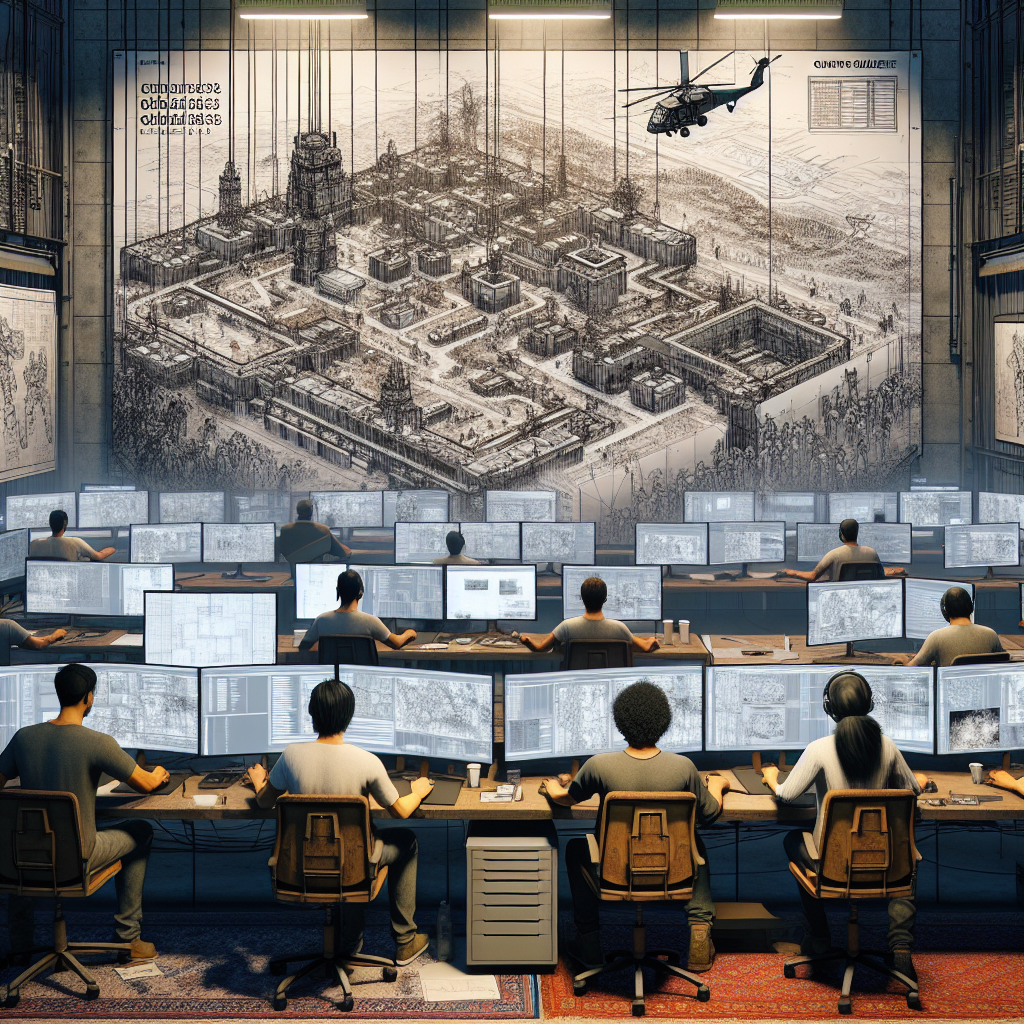
Riot Games, the company behind the worldwide phenomenon that is League of Legends, ventured into the first-person shooter (FPS) arena with Valorant. Since its announcement, Valorant’s unique blend of strategic gameplay, diverse character roster, and its meticulously designed maps have captured the attention of both casual players and competitive gamers alike. Valorant’s maps aren’t just backgrounds for shootouts; they are meticulously crafted arenas that contribute significantly to the game’s strategy and play style.
Creative Conceptualization: Laying the Foundation
The creation of Valorant’s maps begins long before a single pixel is rendered. This process is rooted in Riot Games’ deep understanding of the FPS landscape as well as their commitment to creating a fair and balanced competitive environment. During the early conceptual phases, the design team emphasizes the importance of tactical depth, ensuring that each map offers a variety of ways to outmaneuver opponents. The team takes inspiration from a broad spectrum of sources such as real-world architecture, classic tactical shooters, and Riot’s own expertise in competitive multiplayer game design.
Each map starts with a brainstorming session in which designers discuss potential layouts, themes, and the unique tactical situations they wish to explore. The core aim is to foster gameplay that allows for strategic manipulation, rewarding players not just for their reflexes but for strategic planning and team coordination.
Balancing Symmetry and Complexity
One of the defining features of Valorant maps is the blend of symmetry and strategic complexity. Unlike many traditional shooters, which often present nearly identical symmetry in their maps, Valorant’s design ethos prioritizes asymmetrical design to enrich the strategic depth. This approach results in maps where each side offers different advantages and obstacles, encouraging teams to adapt and rethink their play each round.
For instance, the map “Bind” includes two teleporters that allow quick travel between areas, creating dynamic cross-map play and opportunities for misdirection and rapid strategic shifts. The design team also weighs the sightlines, choke points, and space distribution to avoid one-sided games. This requires countless iterations and internal play-testing to strike the perfect balance where no team, attacking or defending, feels disadvantaged solely based on the map design.
Environmental Storytelling and Aesthetics
Aesthetic storytelling is a hallmark of Riot Games, and this is clearly manifest in Valorant’s maps. Rather than just visualized battlegrounds, each map in Valorant serves to extend the game’s lore and enrich the player’s immersion. The maps are set across the globe—from the sun-baked Moroccan-esque aesthetics of “Bind” to the neon-emblazoned urban sprawl of “Split”—offering more than just tactical settings but unique tales and atmospheres.
Every map hints at the greater story of the Valorant universe. Visual cues, subtle ambient soundscapes, and intricate design details encourage players to speculate about the backstory that led to these locales becoming battlegrounds. This environmental storytelling adds layer upon layer of depth, encouraging players to explore and discover rather than merely compete.
Gameplay Rhythm and Flow
Creating a map with a compelling rhythm is akin to composing a fine piece of music—the pacing, the crescendos, and the quiet interludes must be carefully balanced. The Valorant map design team excels in this nuanced craft by meticulously crafting paths and sightlines that dictate the intensity and flow of combat. The “A” and “B” site dynamic, found in most maps like “Ascent” and “Haven,” inherently generates a strategic push-and-pull between offense and defense.
A key element in shaping game flow is ensuring that rotation times between sites are balanced and realistic. The designers are laser-focused on aspects such as spawn points and running paths to ensure that players have equal opportunity to reposition and surprise opponents. These carefully crafted journeys encourage players to develop intricate strategies, ultimately delivering a diverse and engaging competitive experience.
Play-Testing and Community Feedback
The journey from idea to execution is a rigorous process. Before any map is released to the public, it must survive exhaustive play-testing sessions. Internal tests are conducted by Riot’s own team members, who simulate countless scenarios to ensure that each map facilitates balanced, exciting gameplay.
One of Riot Games’ key strengths is its receptiveness to community feedback. Once a map is introduced to the public, Riot encourages feedback from its player base, allowing real-world experiences to guide ongoing refinements. Significant design changes in maps such as “Split” highlight Riot’s commitment to evolving the gaming experience based on player interaction and critique. Valorant’s developers are keenly aware that constant iteration is necessary to maintain the delicate balance of competitive fairness and excitement.
Conclusion: Crafting Icons of Strategic Gameplay
The making of Valorant’s iconic maps requires a perfect storm of creativity, strategic foresight, and iterative design. From initial concept to final visualization, each map is a testament to Riot Games’ expertise in fostering competitive engagement and narrative depth within the gaming space. As players traverse these intricately designed landscapes, they are not simply participating in an FPS; they are engaging in a multifaceted strategic ballet, where every corner turned and every line of sight is filled with potential gameplay-shaping decisions. In the continually evolving world of Valorant, Riot Games stands as a beacon of innovation, habitually setting a high bar for map design in the FPS genre.






Post Comment