How Spider-Man PS5 Captures the Essence of New York City
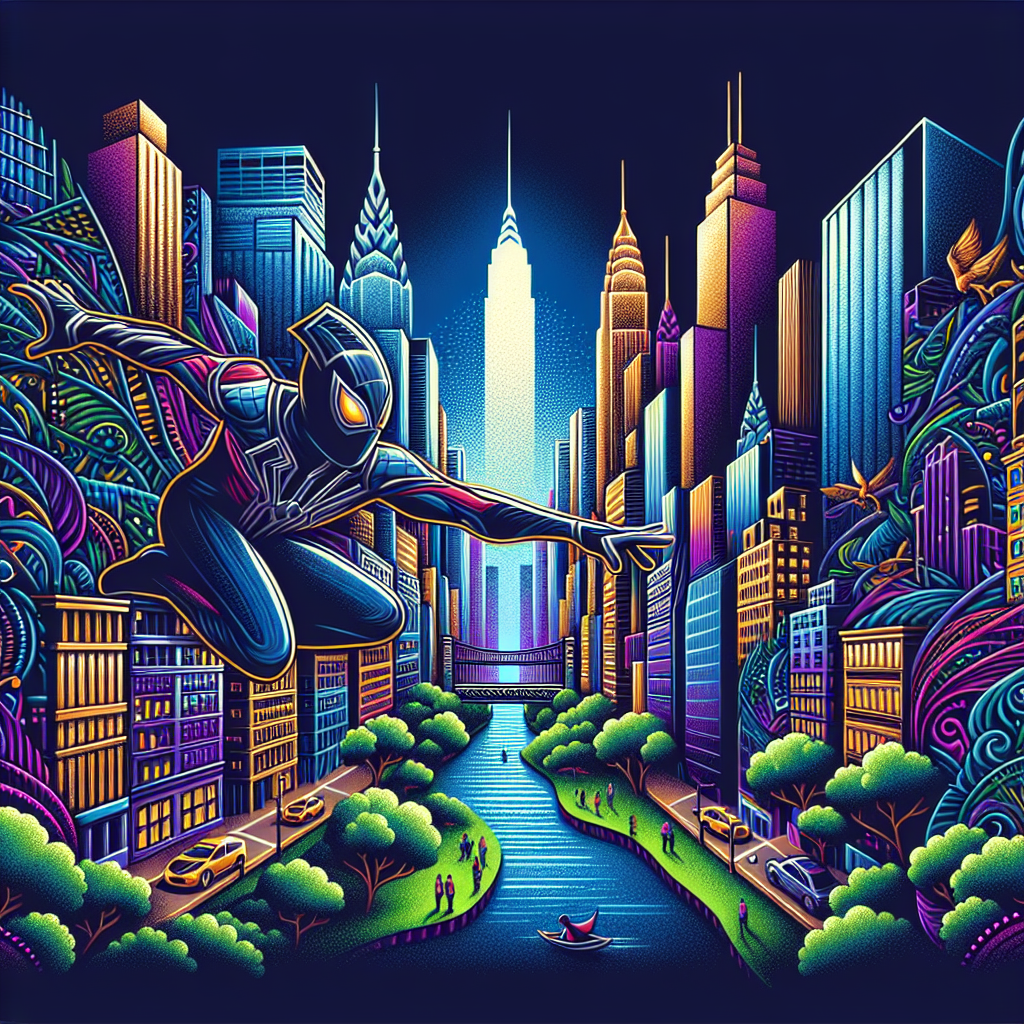
Spider-Man PS5: A Digital Ode to the Concrete Jungle
In the vast world of superhero video games, few have managed to capture the quintessence of their settings quite like Spider-Man PS5. Developed by Insomniac Games, this title doesn’t just offer players a glimpse into the heroic life of Peter Parker but also immerses them in a richly detailed and dynamic representation of New York City. The game’s success in encapsulating the city’s essence isn’t just about realistic graphics and storytelling; it’s an intricate blend of architecture, culture, and ambiance.
Marvelous Urban Landscape
The architecture in Spider-Man PS5 is more than mere background scenery; it is a robust character within the storytelling framework. The developers at Insomniac Games meticulously recreated iconic landmarks, such as the Empire State Building, the One World Trade Center, and the Statue of Liberty, with a precision that pays homage to these structures’ real-life counterparts. This level of detail does more than just stimulate visual admiration; it fosters a sense of authenticity.
The in-game Manhattan is organized with remarkable attention to detail, showcasing the diversity of neighborhoods. From the hustle and bustle of Times Square to the serene enclaves of Central Park, each area exudes a specific vibe through varied architectural styles and community settings. This diversity is not only visually apparent but also audibly distinct, with ambient sounds that reflect the unique energy of each locale.
Heartbeat of the City
No representation of New York City would be complete without its multifaceted soundscape. Sound design in Spider-Man PS5 plays a vital role in bringing the city to life. The ambient noise of honking cars, murmurs of busy sidewalks, and the distant hum of subway trains create an immersive aural environment. These sounds are not merely backdrop but act as an interactive element, changing dynamically as Spider-Man leaps, swings, and battles above the streets.
Non-player characters (NPCs) contribute to this dynamic environment, participating in conversations and reacting authentically to Spider-Man’s presence. Whether they are tourists raving about the sights or street vendors calling potential customers, the dialogue layers an additional depth to the bustling city life. Moreover, the plethora of languages spoken by NPCs not only adds richness but also mirrors New York’s diverse populace.
Cultural Reflection and Diversity
New York City is often described as the cultural capital of the world, and Spider-Man PS5 embraces this identity wholeheartedly. The game doesn’t shy away from representing the city’s diverse cultural tapestry. Street art, eateries, and community gatherings are examples of how the game incorporates cultural nuances. The presence of murals and graffiti art scattered across buildings echo the real New York’s celebration of artistic expression.
The inclusion of various cultural events and festivals within side missions and storyline content brings representation to different ethnic communities that call NYC home. Exploring Chinatown during the Lunar New Year or visiting Little Italy during festive times invites players to see the city as more than just an urban setting; it’s a living, breathing hub of cultures interwoven into its fabric.
Dynamic Weather and Day-Night Cycle
The atmospheric elements in Spider-Man PS5 further enhance the portrayal of New York City. The dynamic weather system showcases everything from sunny skies casting long shadows across skyscrapers to torrential rain soaking the streets and blurring neon lights. This not only adds variety to the visual experience but also influences gameplay, underscoring the idea that superheroes must adapt to any condition.
The day-night cycle in the game contributes another layer of realism. As daylight fades, the city’s personality changes—one of daily hustle transforms into nightlife vigor. Streetlights flicker to life, casting a warm glow on the pavement, while lighting within the towering buildings illuminates the skyline. The shift in time is marked not just by changes in lighting but also in civilian behavior, enriching the game’s verisimilitude.
Engaging Storytelling Through Locales
Spider-Man PS5 uses its settings to enhance narrative engagement. Each neighborhood tells its own story and enriches the game’s plotlines. The characters Peter Parker interacts with are often tied into these specific locales, giving every mission a strong sense of place.
The narrative seamlessly integrates the city’s landscape into missions and side quests. Whether it’s the struggle to de-escalate a bank robbery in the Financial District or preventing a disaster at a Harlem community center, the city’s topology and cultural textures are deeply entwined with gameplay mechanics, making the player’s interactions with these settings feel consequential.
Environmental Design and Player Interaction
The game’s environmental design invites interaction that feels natural and rewarding. Players can engage with the city beyond main missions, from helping citizens with smaller-scale problems to snapping photos of landmarks for a side quest that acts as a delightful nod to Peter Parker’s photography career. These mechanics invite players to explore the city in detail, ensuring they appreciate the full breadth of New York’s digital construction.
Environmental storytelling is also crucial. Scattered within the city are backpacks containing mementos from Parker’s past, each tied to specific locations with personal histories. These elements create a layered experience, offering brief but poignant insights into the protagonist’s life and cementing the relationship between Spider-Man and his urban playground.
The Rhythm of Transportation
Spider-Man’s primary method of traversing the cityscape—web-swinging—is among the game’s most celebrated features. The momentum-based swinging mechanics embody the thrill and adrenaline of navigating New York’s urban canyons. The city’s layout is tailored to enhance this experience, with strategic building placement and alleyways providing fluidity to Spider-Man’s acrobatics.
The game optimizes swing speed and fluidity, reflecting the chaotic yet thrilling experience of New York transportation. The nuanced dynamics of swinging, running walls, and precision landing create an exhilarating sense of freedom, mirroring the real city’s rhythm where speed and efficiency are key.
Spider-Man PS5 stands out not just as an exceptional superhero game but as a remarkable digital rendition of New York City itself. By integrating intricate environmental design, cultural authenticity, and dynamic game mechanics, it transcends simple gaming to offer an immersive homage to one of the world’s most iconic cities.














Post Comment