How Bloodborne Reinvented the Horror Genre in Gaming
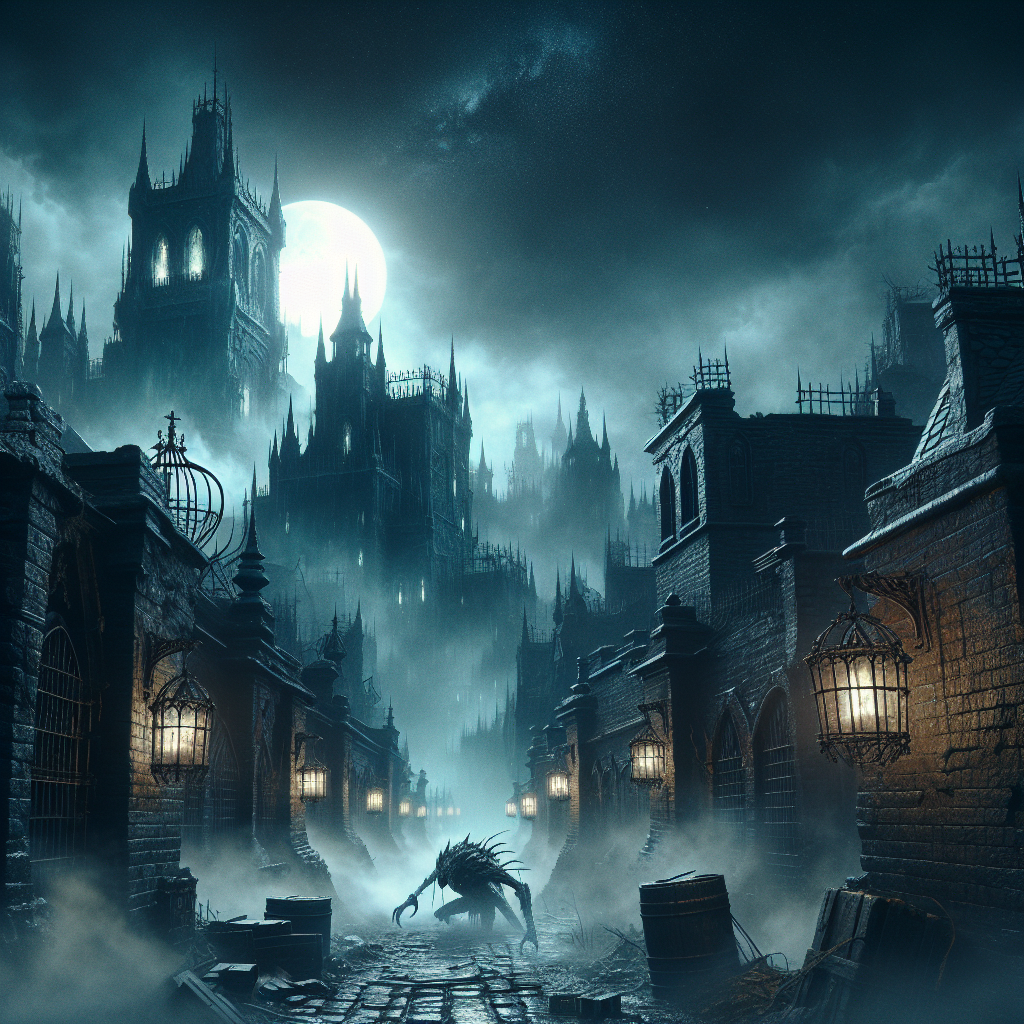
FromSoftware’s 2015 action RPG, Bloodborne, is widely regarded as a groundbreaking entry in the horror genre within the gaming industry. The game’s distinctive blend of gothic horror aesthetics, intricate world-building, and challenging gameplay has redefined horror gaming, earning it a devoted fanbase and critical acclaim.
Bloodborne’s atmospheric design is one of the key elements that reconstructs the horror genre. The game is set in the fictional city of Yharnam, an eerie and intricate environment characterized by its Victorian-era architecture, winding cobblestone streets, and cryptic lore. This setting immediately establishes a foreboding atmosphere, immersing players in a world that feels both familiar and otherworldly. From the shadowy alcoves to the unsettling sounds that echo throughout, every aspect of Yharnam is designed to evoke a sense of dread.
The level of detail in Bloodborne’s environment is unparalleled. From the blood-soaked battlefields to the dilapidated chapels, each area tells a story. Players gradually uncover the city’s dark history through environmental storytelling, where every corner of Yharnam contributes to the overarching narrative. This immersive world-building is crucial in maintaining a constant sense of tension and unease, drawing players deeper into the game’s mystery.
In reinventing horror, Bloodborne departs from the traditional reliance on jump scares and instead cultivates a more psychological horror. The game leverages subtlety over spectacle, creating a persistent atmosphere of anxiety and anticipation. The fear of the unknown, bolstered by FromSoftware’s storytelling approach, permeates the experience. Players are never fully aware of what awaits them around the next corner, breeding a continuous sense of trepidation that is both thrilling and terrifying.
Bloodborne’s narrative design is another factor that sets it apart. The game offers a rich storyline that unfolds gradually through cryptic dialogues, item descriptions, and visual cues. This indirect storytelling compels players to piece together the narrative themselves, fostering engagement and immersion. The ambiguity and complexity of the plot evoke a sense of intrigue, compelling players to explore every aspect of the game to fully understand Yharnam’s tragic and macabre history.
At the heart of Bloodborne’s horror is its innovative gameplay mechanics. The game challenges the player to confront fear head-on through its combat system, which emphasizes aggression and quick reflexes. Whereas traditional horror games often focus on avoiding confrontation, Bloodborne requires players to engage directly with its grotesque enemies. The adrenaline-pumping pace of combat, coupled with the game’s high difficulty level, heightens the stakes and intensifies the sense of horror. Every encounter becomes a test of skill and courage, mirroring the struggle for survival in a nightmarish world.
Bloodborne’s enemy design contributes significantly to the reinvention of horror gaming. The creatures inhabiting Yharnam are nightmarish abominations, embodying a blend of Gothic and Lovecraftian influences. From the feral beasts that roam the streets to the cosmic horrors lurking beneath, each enemy is meticulously crafted to elicit fear and revulsion. Their unpredictable attack patterns and unsettling behaviors heighten the tension, requiring players to face their fears and adapt quickly to survive.
Moreover, Bloodborne’s innovative health mechanic, known as the “regain” system, further amplifies the game’s horror elements. This system allows players to recover lost health by immediately retaliating against foes, encouraging aggressive play. The risk-reward nature of this mechanic creates a dynamic where players must decide between risking further damage or seizing the opportunity to reclaim their vitality. This constant push and pull between safety and danger reinforces the harrowing atmosphere and keeps players on edge.
The sound design of Bloodborne also plays a pivotal role in shaping its horror experience. The game’s soundscape is hauntingly atmospheric, with ambient noises that enhance the feeling of isolation and vulnerability. The chilling musical score adapts to the player’s situation, becoming more intense during encounters and battles, further immersing them in the terror of Yharnam. These auditory elements contribute to an overall sensory experience that is as crucial to the horror as the visual and gameplay elements.
Bloodborne’s influence extends beyond its immediate mechanics and story. It challenges the perceptions of what horror games can achieve by infusing them with action-packed, strategic gameplay. This integration has inspired a new wave of games that seek to balance horror and gameplay complexity, signaling a shift in design philosophy across the gaming industry. Titles such as Resident Evil Village and Hollow Knight are testament to Bloodborne’s enduring impact, marrying intense gameplay with horror elements in novel ways.
The multiplayer component of Bloodborne also offers a unique approach to horror gaming. The cooperative and competitive elements enrich the player’s experience by introducing unpredictable human interactions into the game’s equation. The fear of invasion by other players adds another layer of tension, as they must be ever vigilant and prepared for an unanticipated challenge. This blend of single and multiplayer experiences contributes to the unpredictable and gripping nature of the game.
In conclusion, Bloodborne has reinvented the horror genre through its masterful use of atmosphere, challenging gameplay, and intricate storytelling. By fusing these elements, the game creates a profound sense of dread and intrigue that sets a new standard for horror in gaming. Its legacy is profound, inspiring new titles to explore the depths of horror and challenge players in fresh, inventive ways, ensuring Bloodborne’s place as a seminal work in modern gaming.











Post Comment