How Artificial Intelligence is Being Used in Dota 2
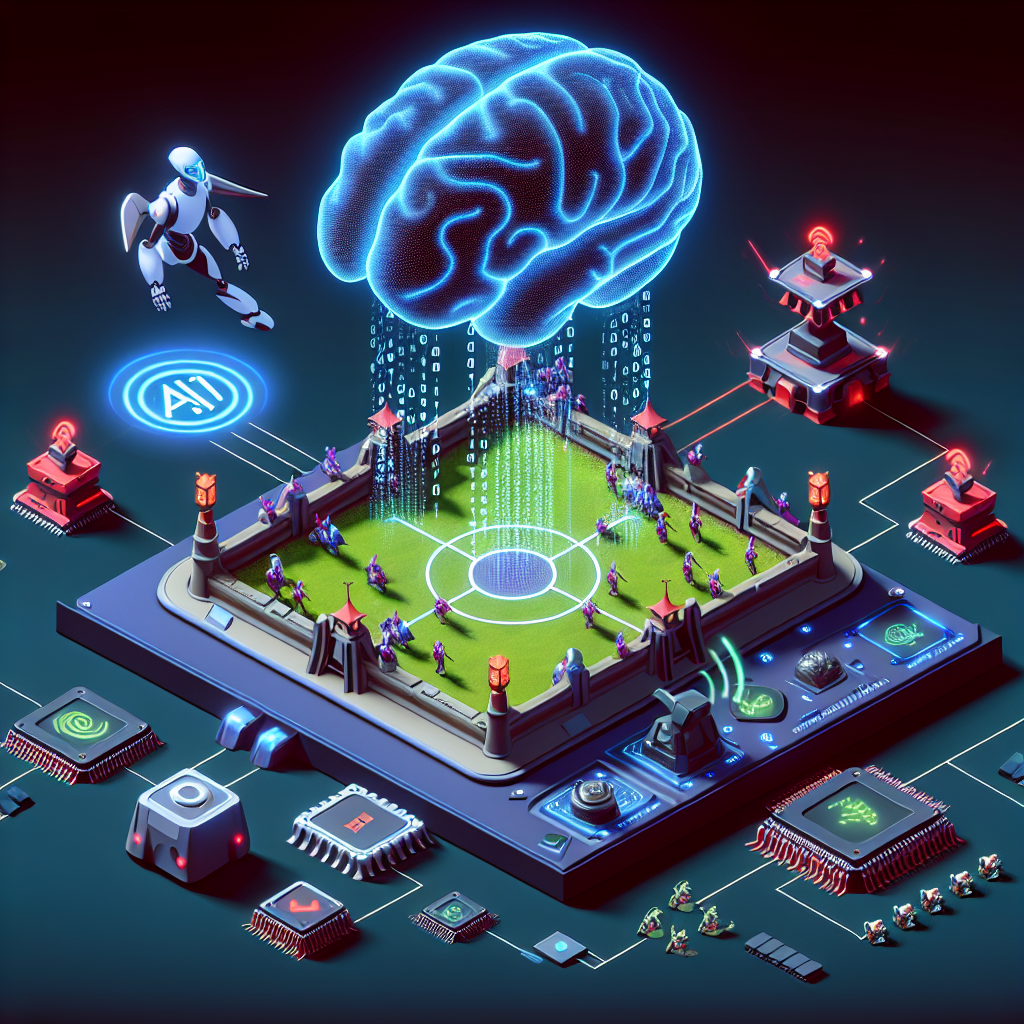
Artificial intelligence (AI) is revolutionizing the way games are played, developed, and analyzed, and Dota 2 is no exception. The complex nature of Dota 2, with its multifaceted strategies and dynamic gameplay, provides fertile ground for the application of AI technologies. This development has not only changed how the game is approached by players and professional teams but has also opened new avenues for game developers and analysts.
### AI in Gameplay Analysis
One of the primary applications of AI in Dota 2 is in gameplay analysis. AI algorithms are employed to parse and analyze vast amounts of data generated from matches. This data includes player movements, item builds, skill usage, and interactions between thousands of unique game elements. By using machine learning models, AI can identify patterns that are not immediately apparent to human analysts. This capability allows players and coaches to gain insights into the effectiveness of different strategies, leading to more informed decision-making during matches.
AI-driven analytics tools, such as those provided by Dotabuff and OpenDota, allow players to dissect every aspect of their playstyle. These platforms utilize machine learning algorithms to process in-game statistics and provide players with feedback on areas of improvement. From heatmaps showing player movement across the map to detailed breakdowns of team fights, AI assists players in understanding their weaknesses and honing their skills. Such insights are invaluable for players who aspire to reach higher competitive tiers.
### AI in Character Development and Balancing
AI has a significant role in the development and balancing of Dota 2’s heroes. Valve, the developer behind Dota 2, actively employs AI systems to simulate various scenarios and test the balance of heroes before official updates are released. By analyzing millions of matchups, AI can predict how a particular hero might perform against others and suggest adjustments to maintain competitive balance.
Moreover, AI helps in creating more sophisticated and lifelike non-playable characters (NPCs), making the gaming experience more immersive. The AI-driven bots in Dota 2 have evolved to exhibit behaviors that mimic actual player actions. This makes practicing against bots a more valuable experience, allowing players to prepare better for matches against human opponents.
### AI in Team Strategy Development
Professional Dota 2 teams have adopted AI to enhance their strategic preparations. Teams employ machine learning models to analyze their opponents by examining previous matches and identifying tendencies and preferred strategies. By understanding their opponents’ habits, teams can devise counter-strategies, giving them a competitive edge.
Furthermore, AI is used to simulate games based on predicted pick and ban phases. These simulations help teams anticipate various in-game situations and prepare accordingly. This level of preparation is especially crucial in professional tournaments, where competition is fierce and margins for error are minimal.
### OpenAI and Dota 2
One of the most high-profile examples of AI in Dota 2 is OpenAI’s development of AI agents capable of playing the game at a high level. OpenAI’s project, OpenAI Five, was an ensemble of neural networks trained using a reinforcement learning approach. It played thousands of games every day, learning and adapting strategies that enabled it to compete against and defeat human professionals.
The success of OpenAI Five showcased the potential of AI in mastering complex tasks that require real-time decision-making. It not only highlighted AI’s capabilities in terms of game mechanics but also its ability to learn and adapt to dynamic environments. The project drew attention to the potential of AI beyond gaming, illustrating applications in fields that require strategic planning and rapid response.
### AI in Developing In-Game Assistants
AI is also being used to develop in-game assistants that provide real-time recommendations and alerts to players. These assistant tools utilize natural language processing to understand voice commands and provide feedback during gameplay. For instance, an AI assistant might suggest optimal times to engage in team fights or alert players about certain threats based on the current state of the game.
These intelligent systems enhance the user experience by reducing cognitive load. Players can focus more on strategic decision-making, as the AI processes the necessary statistics and state information. This use of AI empowers players to improve their gameplay and strategy in real-time, ultimately leading to a more satisfying competitive experience.
### AI and Community Engagement
AI is not just limited to gameplay but also extends to engaging the community in innovative ways. AI-driven content creation tools have been used to generate highlights, summaries, and even entire casts of Dota 2 games. By analyzing key moments and actions, these tools automate the production of quality content, saving time for content creators and providing fans with engaging material to consume.
Moreover, AI systems analyze player behaviors and community trends, facilitating better matchmaking and community management. Platforms leverage AI to ensure players are matched based on skill levels, reducing instances of uneven games and enhancing the overall player experience.
### AI for Training and Learning
In the context of training and learning, AI in Dota 2 serves as a personalized coach, offering tutorials and guides tailored to individual playstyles. Newer players benefit from AI-driven educational tools that break down complex concepts into digestible lessons. For experienced players, AI provides advanced tactics and insider knowledge that can refine their gameplay.
These AI tutors are adaptive, evolving their advice based on the player’s historical performance and current skills. By personalizing learning paths, players are more likely to see tangible improvements, fostering greater engagement and retention within the Dota 2 community.
### AI’s Impact on Broadcasting and Spectatorship
Lastly, AI has influenced the way Dota 2 is broadcast to spectators. Machine learning algorithms enable more dynamic camera control during live matches, offering viewers the best possible angles and perspectives. AI also aids commentators by supplying real-time statistics and insights, enhancing the analytical depth of game commentary.
By improving the viewing experience, AI helps expand the game’s audience, attracting fans who appreciate both the competitive aspect and the strategic intricacies of Dota 2. Enhanced broadcasts contribute to the growth of esports as a whole, appealing to wider demographics and increasing the game’s appeal internationally.
In conclusion, AI’s integration into Dota 2 signifies a transformative phase in the gaming industry. Whether through enhancing player skills, developing new strategies, or enriching the viewer experience, AI continues to reshape what is possible within this competitive landscape.





Post Comment