Ghost of Tsushima: A Deep Dive into the Samurai Experience
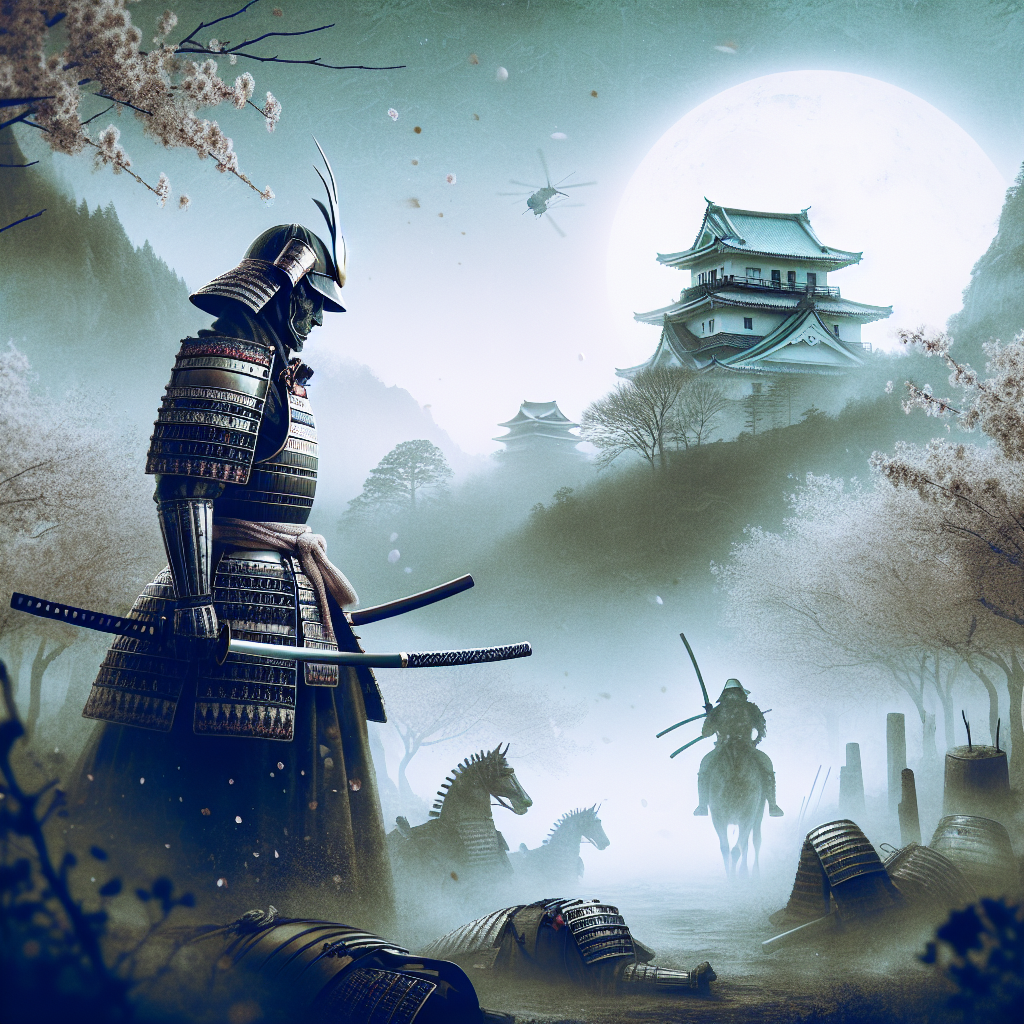
Ghost of Tsushima, developed by Sucker Punch Productions, has captivated audiences worldwide with its stunning visuals and immersive gameplay set in feudal Japan. This action-adventure game masterfully blends historical context with open-world mechanics, offering players a profound samurai experience. Launched in July 2020, the game has since garnered significant acclaim for its narrative depth, design intricacy, and cultural homage to samurai ethos. Let’s delve into various facets that make Ghost of Tsushima a standout title in the gaming landscape.
Historical Context and Setting
Ghost of Tsushima is set during the first Mongol invasion of Japan in 1274. This historical period is depicted with meticulous attention to detail, showcasing the rich tapestry of Japanese culture and the existential struggle faced by the samurai class. The island of Tsushima, a pivotal location between Korea and mainland Japan, serves as the backdrop for the Mongol army’s onslaught. By choosing this lesser-known historical event, Sucker Punch provides players with a fresh narrative that isn’t overly treaded in popular media.
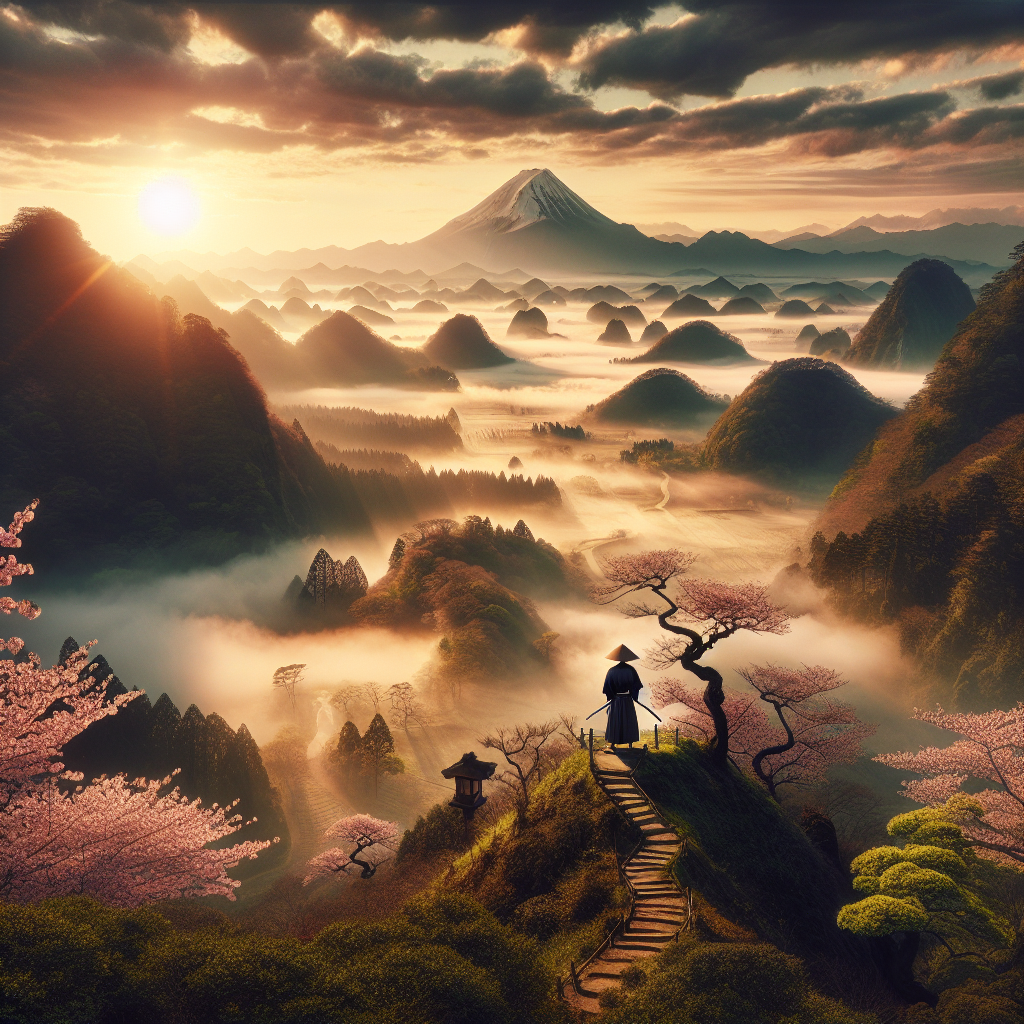
The game portrays the island with remarkable fidelity, offering a landscape that ranges from dense bamboo forests and seaside cliffs to tranquil hot springs. Each locale is crafted to reflect the specific atmospheres and seasonal changes of the period, contributing to a dynamic world that feels alive and authentic.
Character and Narrative Development
Central to Ghost of Tsushima is its protagonist, Jin Sakai, a samurai warrior who embodies the traditional virtues of honor, loyalty, and bravery. The narrative follows Jin’s journey from samurai to the titular “Ghost,” as he grapples with the ethics of traditional warfare versus the necessity of guerilla tactics. This internal conflict drives the story forward, offering players a narrative rich in emotional and ethical dilemmas.
Jin’s transformation is supported by a robust cast of characters, each contributing to his journey. Supporting characters such as Yuna, a skilled thief, and Sensei Ishikawa, a master archer, provide different perspectives and methods towards handling the Mongol threat. The character development is deepened by the game’s side quests, which explore the motivations and backstories of these secondary characters, adding layers to the broader narrative.
Combat System
Ghost of Tsushima’s combat system is a hallmark of the game’s success, balancing realism with engaging gameplay mechanics. Players can choose between direct samurai confrontations or stealth-based tactics as the “Ghost.” The combat mechanics focus heavily on timing and precision, requiring players to pay attention to enemy stances and attack patterns. Four different stances are available, each tailored to counter specific enemy weapon types, adding a strategic layer to battles.
The game’s duels, which pit Jin against prominent foes in one-on-one combat, are particularly noteworthy. These encounters are stripped of the game’s broader open-world elements, focusing purely on skill and timing, reminiscent of classic samurai films. Players must utilize parries, dodges, and quick strikes to emerge victorious.
Stealth and Ghost Tactics
Apart from the standard combat, the game allows players to adopt stealth tactics, aligning with Jin’s transformation into the “Ghost.” This deviation from traditional samurai warfare is pivotal to the storyline and is facilitated through diverse mechanics such as distractions, assassinations, and the use of fear to unnerve enemies. Tools like smoke bombs, kunai, and sticky bombs enrich stealth gameplay, giving players a varied arsenal to choose from.
The use of stealth is often tied to narrative points where Jin must question his adherence to samurai code. These segments are deeply integrated into the story, forcing the player to consider the broader implications of Jin’s actions both personally and for Tsushima.
World Exploration and Activities
Ghost of Tsushima’s open world invites players to explore at their leisure, providing a multitude of activities that immerse them in samurai life. Haiku compositions, bamboo strikes, and hot spring baths are scattered throughout the island, offering serene diversions that further develop Jin’s character. These activities are not merely recreational; they serve as a means to increase the player’s abilities, contributing to a sense of continuous growth.
The game’s world design uses landmarks and visual cues instead of traditional waypoints, encouraging organic exploration. The Guiding Wind mechanic is a novel navigation tool that directs players using the island’s natural elements, allowing for a more immersive experience free from HUD distractions.
Cultural and Artistic Homage
Ghost of Tsushima serves as a love letter to Japanese culture and the samurai genre. The art direction is heavily inspired by classic samurai films, particularly those by renowned director Akira Kurosawa. The game even includes a Kurosawa Mode, an option that presents the game in stylized black and white with film grain effects, enhancing the cinematic experience.
Music and sound design also play crucial roles in setting the game’s tone. Composer Ilan Eshkeri’s score intricately blends traditional Japanese instruments with orchestral arrangements, creating an auditory experience that complements the game’s visuals and themes perfectly.
Player Choice and Game Impact
The game’s emphasis on player choice is reflected in how players decide to approach missions and combat. While the narrative is linear, the freedom in gameplay allows for nuanced character development. Players’ decisions affect Jin’s progression and ultimately determine the outcome of certain storyline elements. This agency adds personal investment to the unfolding narrative, driving engagement through intricate choices.
Technical Achievements and Visuals
From a technical standpoint, Ghost of Tsushima shines through its impressive visuals and smooth performance. The graphical fidelity captures the picturesque landscapes of Tsushima in stunning detail, with dynamic weather systems and time-of-day cycles enhancing immersion. The use of HDR and 4K resolution options available on the PlayStation 5 further elevate its visual prowess, making the experience breathtakingly vivid.
Shaders and particle effects are utilized effectively to create realistic textures and environments, whether it’s the rustle of leaves during a gentle breeze or the crackling of fire during an intense battle sequence. These meticulous details reflect a commitment to creating a living, breathing world.
Community and Legacy
The impact of Ghost of Tsushima extends beyond its gameplay—with a thriving community and cultural appreciation. The game has sparked interest in Tsushima as a real-world location, boosting tourism and awareness. This influence led to the developers being named honorary ambassadors of the island, cementing the game’s legacy in promoting cultural exchange and appreciation.
The Legends multiplayer expansion introduced cooperative gameplay, expanding the game’s appeal and longevity. This free update allows players to engage in mythological-themed missions, diversifying the main game’s historical narrative with supernatural elements and cooperative strategies.
Ghost of Tsushima stands as a testament to the power of storytelling in video games. Its seamless blend of history, culture, and inventive gameplay offers a rich samurai experience that resonates deeply with players. The game not only pays homage to a defining era in Japanese history but also sets a new benchmark for open-world design and character-driven narrative.




Post Comment