Free Fire’s eSports Scene: The Rise of Competitive Play
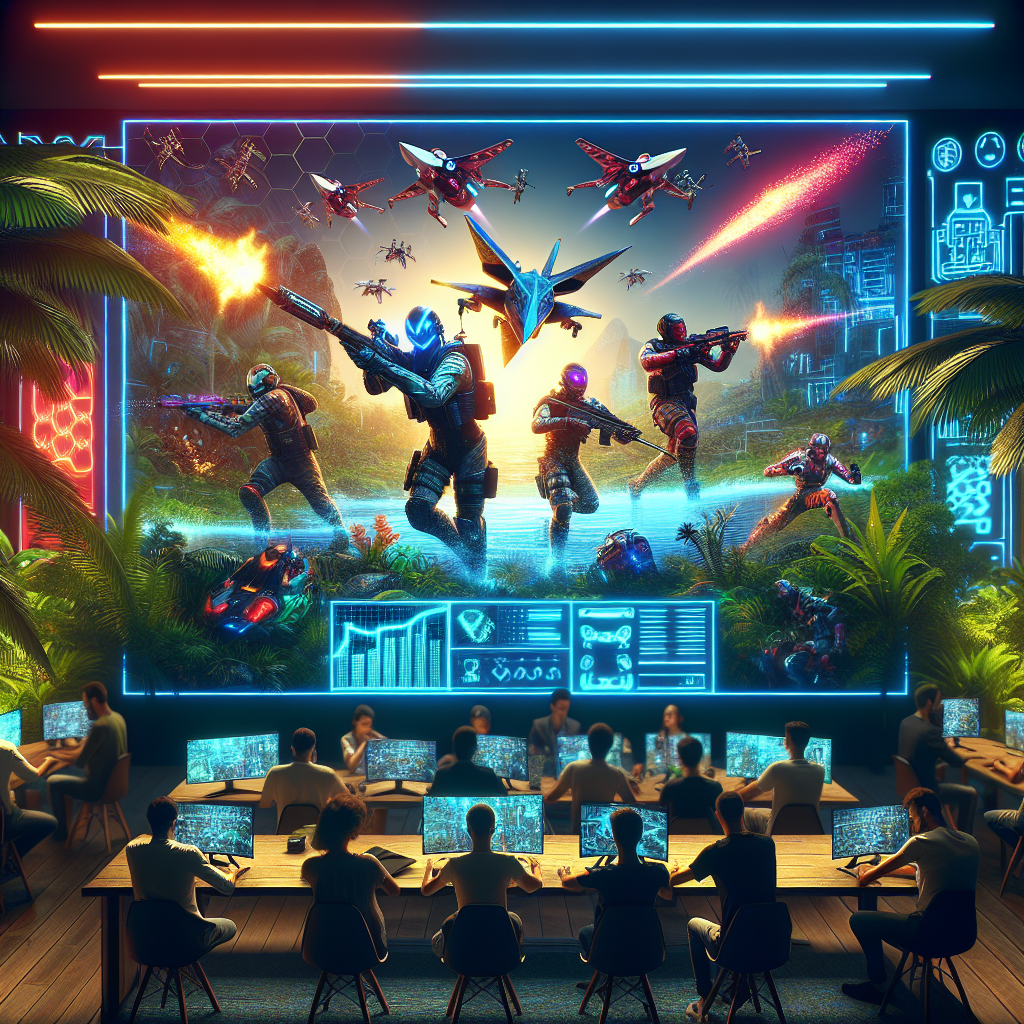
The Origins of Free Fire’s Competitive Scene
Free Fire, developed by 111 Dots Studio and published by Garena, was launched in 2017 and quickly gained popularity as a battle royale game tailored to the limitations of mid-range smartphones. Its unique combination of short match durations and engaging gameplay is a significant factor in its immense popularity. The game didn’t just captivate casual gamers; it planted the seeds for a competitive eSports ecosystem that has blossomed impressively over the years.
Key Milestones in Competitive Play
The evolution of Free Fire’s competitive scene can be traced back to several pivotal events and initiatives. The first official tournament, Free Fire World Cup, was organized in 2019 in Bangkok, Thailand. With a substantial prize pool and participation from teams worldwide, this event solidified Free Fire’s place in the eSports arena.
The World Series, an even more significant event held annually, has become a highly anticipated tournament, drawing millions of viewers online. In 2021, the Free Fire World Series in Singapore boasted a peak viewership of over 5.4 million viewers, highlighting the game’s massive following and the growing interest in its competitive facet.
The Structure of Competitive Play
Free Fire’s competitive ecosystem is structured around its series of regional and international tournaments. These tournaments are often based on a qualification system, where teams compete at regional levels before advancing to international stages. The various levels of competition ensure that both amateur and professional teams have pathways to make their mark on the global stage.
In regional leagues, such as the Free Fire Pro League (FFPL) and Brazilian League, teams are scouted for talent and potential. At these stages, players prove their capabilities, coordination, and strategic prowess. Teams that excel have the opportunity to compete in international events like the afore-mentioned World Series.
Team Dynamics and Strategy
Unlike many other eSports, Free Fire’s professional scene is renowned for its dynamic team compositions and strategies. A standard team consists of four players, each with distinct roles such as support, rusher, sniper, and scout. The balance of these roles is critical to success, with teams constantly innovating strategies to outsmart opponents.
The diversity in character selection allows for varied strategic plays. Characters with unique abilities—such as Kelly the Swift’s enhanced running speed or A124’s impressive EP conversion—can be leveraged to gain competitive advantages. Teams often focus on synergy and adaptability, crucial aspects for winning in high-intensity matches.
Impact of Free Fire on Global eSports
Free Fire’s thriving eSports scene is a testament to the game’s global appeal and accessibility. Notably, it has had a significant impact in regions where high-end gaming devices are less prevalent. Southeast Asia, Latin America, and India have emerged as eSports hotspots, in large part due to Free Fire’s accessibility and competitive opportunities.
The rise of this game has led to an impressive wave of professional players and streamers emerging from these regions. Organizations like LOUD and Team Liquid have established Free Fire squads, demonstrating the game’s anchorage in the larger eSports ecosystem. Additionally, Free Fire’s tournaments have invited investments and sponsorships from major brands, further boosting the credibility and reach of the scene.
Challenges and Growth
Despite its success, Free Fire’s competitive landscape faces several challenges. Cybersecurity threats, cheating, and account hacking remain significant concerns, as do network issues in regions with unstable internet infrastructure. Garena faces an ongoing battle to uphold competitive integrity through technological solutions and robust in-game monitoring systems.
Nevertheless, the game’s growth trajectory remains encouraging. Free Fire’s updates often introduce new content, features, and anti-cheat measures, keeping the player base engaged and maintaining the competitive ecosystem’s health. The incorporation of augmented reality and enhanced spectator experiences also promises to capture broader audiences.
Community and Cultural Influence
The game’s competitive scene has cultivated a vibrant community that spans continents. The community organizes unofficial events, supports streamers, and contributes to a lively digital culture surrounding Free Fire. Content creators and influencers play a crucial role in this ecosystem, creating a symbiotic relationship that sustains game interest and player engagement.
Moreover, Free Fire tournaments have cultural implications beyond gaming. Events are often celebrated like sports festivals, fostering camaraderie and a sense of pride within regional communities. This cultural impact demonstrates how Free Fire transcends the boundaries of traditional gaming experiences.
Sponsorships and Brand Integration
The rise of Free Fire in the eSports industry has attracted a slew of sponsorships and partnerships. Major global brands have recognized the game’s potential reach and have sought meaningful collaborations. This integration is not just a sign of Free Fire’s marketability but also an indication of its stability and prominence.
Partnerships with brands span in-game advertising, exclusive content releases, and branded tournaments. Companies like McLaren and Netflix have leveraged Free Fire to tap into younger demographics, creating a synergistic blend of gaming and marketing. These relationships continue to prosper, enhancing the financial viability of competitive play.
The Future of Free Fire eSports
As Free Fire continues to gain traction, the future of its eSports scene looks bright. The potential for expanding its audience base and enhancing its technological infrastructure seems limitless. With advancements in technologies like 5G, Free Fire’s accessibility and live streaming experience are expected to improve significantly, ensuring seamless gaming experiences across devices and regions.
There are also expectations for more diversified tournament formats and higher prize pools, attracting even more talent and viewership. As globalization continues to bring game enthusiasts together, Free Fire is positioned to strengthen its status as a leading eSports title with an ever-growing community of passionate fans.








Post Comment