Exploring the Timeless Artistry of Shadow of the Colossus: A Journey Through Minimalist Storytelling

Exploring the Timeless Artistry of Shadow of the Colossus: A Journey Through Minimalist Storytelling
Shadow of the Colossus, developed by Team Ico and originally released for the PlayStation 2 in 2005, remains a seminal work in the history of video games. Its minimalist approach to storytelling has set a precedent that continues to influence game design and narrative construction today. This masterpiece exemplifies how less can indeed be more, allowing players to immerse themselves in the game’s world and derive personal meaning from its narrative.
The Essence of Minimalist Storytelling
At its core, minimalist storytelling emphasizes brevity, using the smallest number of words and elements necessary to convey meaning. Shadow of the Colossus excels in this domain, with its sparse narrative, limited dialogue, and vast, empty landscapes that serve as catalysts for emotional depth and player introspection. The game tells the tale of Wander, a young man who enters a forbidden land to bring a girl named Mono back to life by defeating sixteen colossal beings — the Colossi. This seemingly simple premise conceals a deeper narrative richness that unfolds through gameplay rather than extensive cinematic sequences.
The Role of the Environment
The environment in Shadow of the Colossus is a crucial component of its storytelling. The Forbidden Land is vast and varied, with sprawling deserts, misty forests, and sun-drenched plains. This desolation is intentional, invoking feelings of solitude and melancholy. Players experience a profound connection with this world as they traverse it on horseback, reinforcing the narrative through the very act of exploration. Each Colossus is situated in a unique area, and the journey to find them is as significant as the resultant battle, offering players time to reflect on Wander’s quest.
Characterization Through Interaction
Shadow of the Colossus achieves characterization remarkably, primarily through interaction rather than dialogue. Wander, the protagonist, is characterized by his determination and desperation, facets that are slowly revealed through his actions and their physical toll. As the game progresses, Wander’s appearance becomes more haggard, symbolizing the moral and physical costs of his mission. This transformation conveys the overarching theme of sacrifice, illustrating how far one might go for love or redemption.
The Colossi themselves, despite their imposing size and power, exude a sense of tragedy and grandeur. They are majestic remnants of a forgotten age, more akin to guardians than mere adversaries. With each Colossus defeated, there is a palpable sense of loss, accentuated by the haunting musical score that shifts from triumphant to somber. This emotional complexity invites players to empathize with these giants, raising questions about the morality of Wander’s quest.
Evocative Musical Score
Composer Kow Otani’s contribution to Shadow of the Colossus is another cornerstone of its storytelling. The score oscillates between soft melancholic themes and powerful, sweeping motifs. The music adapts to the player’s journey, enhancing the emotional depth of the narrative. During the traversal of the world, silence dominates, broken only by subtle musical cues, heightening the player’s anticipation and sense of adventure. In contrast, the music during Colossi encounters swells dramatically, underscoring the epic nature of these battles while simultaneously evoking a sense of tragedy. This auditory experience is integral, guiding players through these emotional highs and lows without relying on words.
Themes of Loneliness and Redemption
Shadow of the Colossus is heavily imbued with themes of loneliness and redemption. Wander’s journey is a solitary one, his only companion being his horse, Agro. This isolation is both physical and emotional, as Wander embarks on a quest that no one else understands. The game’s silence and open landscapes amplify this solitude, encouraging players to internalize Wander’s motivations and the weight of his actions.
Redemption plays a central role as well. Wander’s desire to resurrect Mono stems from a need to atone — for what, the game never explicitly states. This ambiguity invites players to project their interpretations onto the narrative. Is Wander seeking redemption for a personal failure, or is his mission motivated by an insatiable desire to defy fate? This ambiguity, typical of minimalist storytelling, allows for a multiplicity of meanings and emotional responses, drawing players deeper into the narrative.
Legacy and Influence
The legacy of Shadow of the Colossus in video game storytelling is profound. It has set a gold standard for incorporating minimalist elements into game narratives, inspiring countless developers to experiment with similar storytelling techniques. Games like Journey, Inside, and The Last Guardian, the spiritual successor to Shadow of the Colossus, draw inspiration from its approach, emphasizing mood, atmospheric storytelling, and emotional engagement over traditional narrative structures.
The impact of Shadow of the Colossus extends beyond its narrative techniques. Its innovative game design and artistic achievements have cemented its place in the pantheon of great games. The decision to focus on a limited number of meticulously crafted encounters with the Colossi was revolutionary, offering a stark contrast to the inundation of content found in other titles of the era. This choice underscores the game’s commitment to quality over quantity, a principle that resonates in today’s gaming landscape, where open world and sandbox games can sometimes sacrifice depth for breadth.
Player Agency and Interpretation
One of the game’s most striking attributes is its reliance on player agency and interpretation. Shadow of the Colossus does not impose a singular narrative interpretation; rather, it encourages players to deduce their meanings based on their experiences and emotions. The absence of detailed exposition and an overtly guided narrative path transforms the experience into a personal journey for each player.
This level of openness invites varied interpretations, spawning discussions and theories within the gaming community about the game’s deeper meanings. Is Shadow of the Colossus a critique of blind ambition? A tragic love story? A reflection on the nature of sacrifice and consequences? This discourse is a testament to the game’s complexity and its ability to resonate on multiple levels with a diverse audience.
Visual Storytelling and Symbolism
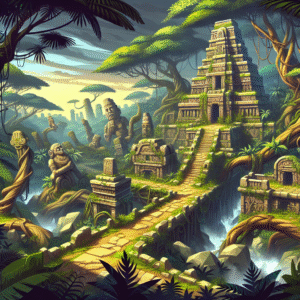
The visual storytelling in Shadow of the Colossus is understated yet powerful, leveraging symbolism and visual motifs to enhance narrative depth. The design of the Forbidden Land, with its ancient structures and mysterious ruins, invokes a sense of history and forgotten grandeur. These visual cues suggest a world that once thrived, raising questions about its fall and the legacy Wander is partaking in.
The Colossi themselves are striking symbols, each designed with distinct features and architectural elements that reflect the theme of their respective environments. Their appearances tell stories of nature and civilization intertwined, hinting at a time when these beings were more than mere obstacles. The stark contrast between their majesty and the echoing emptiness of the land creates a narrative tension that invites introspection and elicits an emotional response.
Emotional Engagement Through Design
Shadow of the Colossus employs game design to foster deep emotional engagement, immersing players in its world and narrative. Each encounter with a Colossus is a puzzle, a test of wit and skill that requires players to explore, observe, and adapt. This thoughtful design ensures that victories are earned through perseverance and strategy, enhancing the emotional impact of each battle.
The emotional resonance is further enhanced by the game’s pacing. The time between encounters with the Colossi allows for reflection and anticipation, building tension and emotion that culminate in the climactic moment of each battle. This rhythm creates an emotional cadence, a balance of calm and intensity that mirrors the game’s narrative themes.
Shadow of the Colossus stands as a paragon of minimalist storytelling in video games, demonstrating the power of restraint and subtlety in crafting meaningful narratives. Its legacy endures, inspiring future generations of developers to explore the nuanced art of storytelling through gameplay, world-building, and emotional engagement. By allowing players to fill the spaces its narrative leaves open, Shadow of the Colossus transforms into a deeply personal experience, a timeless journey through the artistry of video games.





Post Comment