Exploring the Stunning Visuals of Uncharted 4: A Thief’s End

Naughty Dog’s “Uncharted 4: A Thief’s End” stands as a testament to meticulous design and artistic prowess within the gaming industry. Released in 2016 for the PlayStation 4, this action-adventure game has since become a cornerstone for discussions about video game graphics and visual storytelling. Every visual aspect of the game has been crafted in a way that immerses players into a vibrant world that embodies both realism and artistic sophistication.
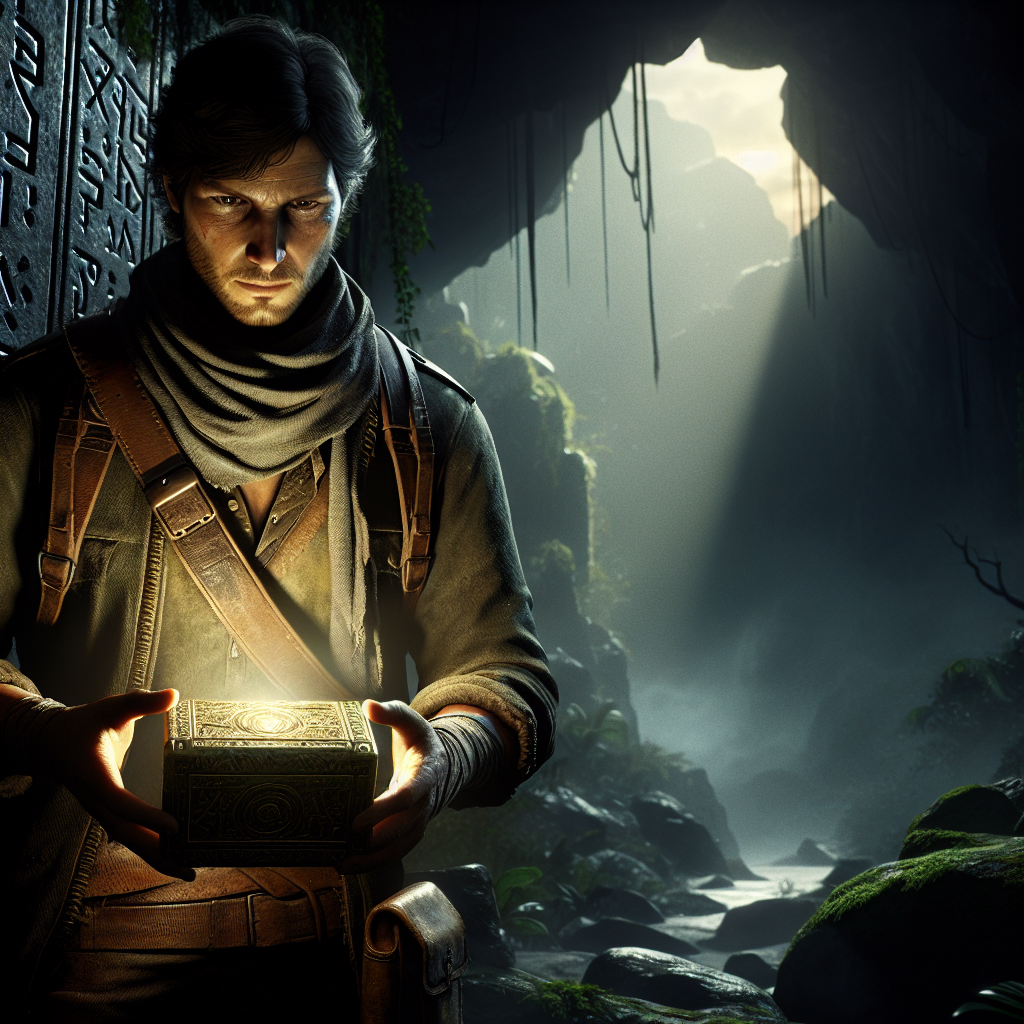
Arguably, one of the most striking features of “Uncharted 4” is its use of lighting. The game employs a sophisticated lighting system that creates dynamic shadows and highlights, adding depth and realism to every scene. Whether Nathan Drake is exploring a sunlit Sicilian monastery or navigating the murky caverns of Madagascar, the way light interacts with environments is meticulously rendered. Lighting not only enhances realism but also plays a critical role in storytelling. Through changes in lighting, the game effectively conveys shifts in mood, time, and even thematic elements, immersing players deeper into Nathan Drake’s journey.
Another extraordinary visual component of “Uncharted 4” is its rich environmental detail. The landscapes in the game are not just backgrounds but living canvases that contribute to the narrative. Detailed textures and vibrant color palettes create lush jungles, rugged cliffs, and mysterious ruins, each with distinct characteristics that enhance gameplay. The environments are populated with interactive elements and set pieces that encourage exploration and interaction, making each return visit a potentially new experience. The level of detail is such that players can see the individual leaves fluttering in the wind and the intricacies of weather patterns, providing an immersive backdrop that feels alive and authentic.
Character animations in “Uncharted 4” are another area where the visuals shine. Nathan Drake, along with other main characters, exhibits fluid and realistic motion that brings them to life. Motion capture technology was used extensively during development, capturing the subtleties of human movement and expression. Facial animations are particularly noteworthy, displaying complex emotions that contribute significantly to the storytelling and player engagement. These animations work seamlessly with the game’s narrative, allowing for more relatable and emotionally impactful scenes.
Part of what makes the visuals of “Uncharted 4” so compelling is the art direction, which successfully blends realism with a unique artistic style. The game maintains a balance between photorealism and stylized art, creating a world that feels both fantastical and believable. Artists at Naughty Dog worked extensively to capture real-world influences while infusing the game with a distinctive aesthetic flair. The result is a series of environments and character designs that are instantly recognizable and stay true to the adventurous spirit of the “Uncharted” series.
The game also leverages advanced rendering techniques to enhance its visual appeal. Techniques such as physically based rendering (PBR) ensure that materials within the game, from metals to stone, react to light in a realistic manner. This, combined with high-resolution textures and intricate modeling, produces the kind of attention to detail that makes players pause in appreciation of the artistry involved. The interplay of technical execution and artistic direction is what elevates “Uncharted 4” to its esteemed position in the gaming world.
Sound design, although auditory, also contributes significantly to the visual experience of “Uncharted 4.” The carefully crafted audio cues and musical score complement the visuals and enhance the immersive quality of the environments. From the distant call of exotic birds to the rustling of leaves underfoot, the synchronization between sound and sight helps solidify the immersive world Naughty Dog set out to create. These auditory elements enrich the visual storytelling, ensuring that players are not just seeing but also feeling every aspect of their virtual adventure.
Moreover, Naughty Dog’s attention to authentic geographical and cultural representation adds another layer to the stunning visuals. The game’s various locations draw on real-world counterparts, from the bustling streets of Cartagena to the serenity of Scottish highlands. Cultural artifacts, architectural details, and indigenous flora and fauna are all meticulously researched and authentically rendered. This attention to authenticity fosters a deeper connection with each locale and respective culture, enhancing the overall visual narrative.
In the broader scope of the gaming industry, “Uncharted 4” marked a revolutionary step forward in visual storytelling. This was achieved without compromising on performance, as the game maintains a smooth and responsive experience even amidst the visual grandeur. The balance between graphical fidelity and gameplay performance underscores Naughty Dog’s technical expertise, providing players with a seamless journey from start to finish.
The level design integrates these visuals cohesively with gameplay mechanics, offering not only beautiful sights but also strategically placed challenges. For instance, ledges, platforms, and interactive elements are visually distinct without feeling out of place within the environment, guiding players naturally through epic set-pieces and exhilarating action sequences.
Photorealism in “Uncharted 4” serves a greater purpose beyond aesthetics; it acts as a catalyst for emotional depth and narrative immersion. This visual precision allows the game to transcend traditional gaming experiences, inviting players to explore the boundaries between reality and virtual worlds. This fusion of graphics and storytelling enriches the narrative, engaging audiences on a level that extends beyond mere entertainment.
Lastly, the post-processing effects employed in the game further accentuate the visual style. Techniques such as depth of field, motion blur, and ambient occlusion add layers of realism and focus. These effects are applied thoughtfully to enhance cinematic storytelling, whether it’s through a high-speed jeep chase or the quiet introspection of a sunset view. Each effect works harmoniously with the overall visual design, maintaining consistency while boosting the dramatization of key narrative moments.
Ultimately, the stunning visuals of “Uncharted 4: A Thief’s End” are a testament to the power of artistic and technical innovation in video gaming. Every visual element—from dynamic lighting and environmental detail to character animation and art direction—has been carefully crafted to create an unforgettable interactive experience. This visual sophistication not only elevates the “Uncharted” series but also sets a benchmark for future titles in the gaming landscape. The game’s visuals stand as an enduring achievement in the medium, heralding an era where video games are unapologetically celebrated as a form of high art.






Post Comment