Exploring the Open World of Tsushima’s Island in Ghost of Tsushima
Exploring the Open World of Tsushima’s Island in Ghost of Tsushima
Discovering Tsushima’s Rich Landscapes
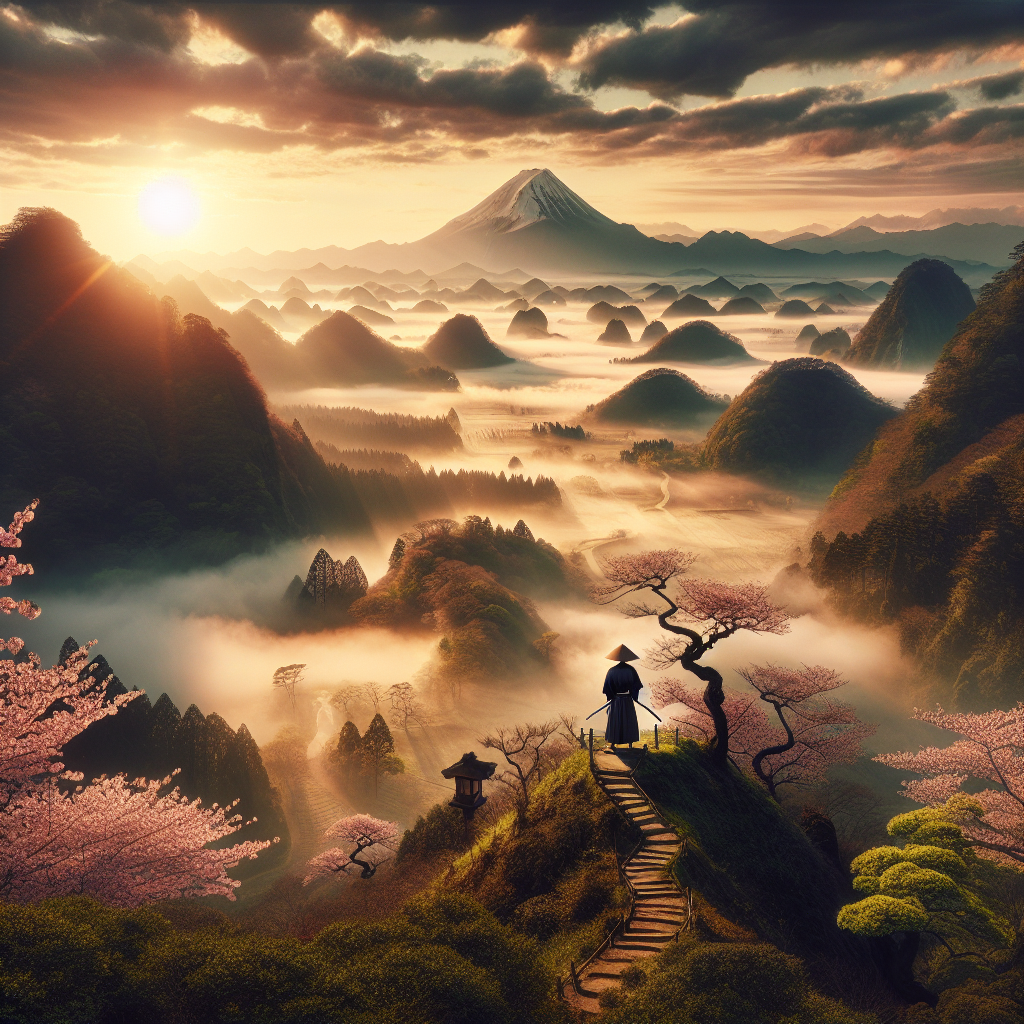
Tsushima Island in “Ghost of Tsushima” is an open-world marvel that captures the imagination with its stunning landscapes and incredible detail. The developers at Sucker Punch Productions meticulously crafted each area to offer players vast terrains ranging from dense forests, breathtaking mountain ranges, tranquil beaches, and flourishing fields. This artificial rendition of Tsushima Island is not just a backdrop but a character in itself, intricately designed to guide players in their quest for revenge against the Mongol invaders.
A Seamless Integration of Nature
One of the standout features of “Ghost of Tsushima” is its vibrant ecosystem. Lush vegetation, swaying fields of pampas grass, and ancient trees create a living, breathing world. The game’s dynamic weather system enhances immersion, where gentle rains can quickly turn into fierce thunderstorms. Sunsets paint the skies with surreal hues, while the moon illuminates nocturnal adventures. The integration of wildlife, ranging from deer and boar to the evocative foxes players encounter, adds to the authenticity, creating a seamless natural environment.
The Role of Guiding Winds and Animal Companions
Unlike traditional waypoints and markers present in other open-world games, “Ghost of Tsushima” takes a minimalist approach with its ‘Guiding Wind’ mechanic. This feature encourages exploration, as the wind gently nudges players in the right direction. It serves to not only lead players towards objectives but to motivate them to discover hidden locations or secrets peppered throughout the island.
Animal companions, such as foxes, take on a symbolic role in leading Jin Sakai, the protagonist, to Inari shrines. These interactions elevate exploration beyond mere navigation, enriching the gameplay with spiritual and cultural depth. Birds also guide players, chirping and swooping towards points of interest, fortifying the bond between player and environment.
Cultural Significance and Historical Context
The setting of Tsushima isn’t merely an artistic choice; it’s steeped in historical and cultural significance. Set in 1274 during the first Mongol invasion of Japan, the game introduces players to a period of immense turmoil and transformation. The architecture, clothing, and customs faithfully represent this era. Engaging with villagers, samurai traditions, and the Zen practices prevalent in 13th-century Japan provides meaningful context to players, solidifying the cultural nuances at play within the game’s storyline.
Immersive Side Quests and Mythic Tales
Central to the open-world experience are the side quests and Mythic Tales. Players encounter tales of intrigue, personal vendettas, and epic folklore etched into Tsushima’s history. These quests constantly urge exploration and reward players with not just material spoils, but deeper insights into the lives and legends of Tsushima’s inhabitants.
For instance, Mythic Tales involve exploring the island’s myths through challenging missions that often conclude with unique combat techniques or legendary armor. These tales blend the fantastic with the real, embodying narratives that pull players into an exploration of the human condition, honor, and sacrifice.
Combat and Stealth Blending Ethereal and Reality
The open-world design enhances the intensity of combat encounters in “Ghost of Tsushima”. Players must adapt to enemy tactics, leveraging both the landscape and their own skill in classical swordplay and stealth operations. The game encourages a fluid approach to combat, where players can opt to face enemies head-on or enact stealth strategies akin to the fabled floating leaf – silent and invisibly lethal.
The standoff mechanic, which allows players to challenge Mongol warriors, provides thrilling narrative moments where the balance of life and death hinges upon a well-timed sword draw. Conversely, stealth gameplay promotes a harmonious coexistence with nature, as players disappear into the underbrush or navigate around tall grasses to evade detection.
Crafting and Upgrading Through Exploration
Exploration is intrinsically tied to the game’s crafting and upgrade systems. Collecting resources like bamboo, yew wood, and unique materials found across Tsushima enables players to upgrade weapons, armor, and tools. Each exploration yields its own fruit, encouraging continuous interaction with the environment.
Upgrading armor and weapons ties into deeper narratives, transforming them into symbols of personal growth and emergence. These improvements not only augment combat capabilities but also stand as a testament to perseverance and adaptability reflective of the player’s journey through the island.
Photography Mode: Capturing Tsushima’s Beauty
“Ghost of Tsushima” offers a robust photography mode, allowing players to capture the serene beauty of the island. This mode lets players manipulate camera angles, change weather conditions, and apply filters to create breathtaking scenes. The ability to pause the violent chaos of battle to capture a singular moment, or frame a gentle scene of serene beauty, epitomizes the artistic nature inherent in the game’s design.
An Enriching Aural Experience: Sound and Music
Complementing the visual splendor is the game’s soundscape. The ambient noises of rustling grass, calm waters, and chirping birds breathe life into Tsushima. Instrumental scores that weave ancient Japanese instruments with modern orchestration morph scenes with emotional depth, guiding players through an auditory experience as touching as it is unintrusive.
Composed by Ilan Eshkeri and Shigeru Umebayashi, the game’s soundtrack elegantly blends the historical context with emotional undertones, ensuring that each moment spent exploring feels significant. It expertly mirrors the shifts in narrative ambiance, from mournful farewells to triumphant confrontations.
Exploring Tsushima’s Haiku and Hot Spring Locations
Unique interactive elements such as composing Haiku and visiting hot springs offer a cultural dive into the nuanced sentimentality of Japan’s traditions. These activities enrich the open-world experience by inviting players to pause, contemplate, and unwind amidst chaos. Haiku sessions task players to conjure poetic reflections from nature, allowing personal introspection and narrative relief.
Hot springs, on the other hand, are respites where Jin regenerates both health and resolve while reflecting on past, present, or future. Their inclusion stands as a tribute to the mind-body connection central to samurai philosophy.
Preserving Samurai Legacy Through Art and Environment
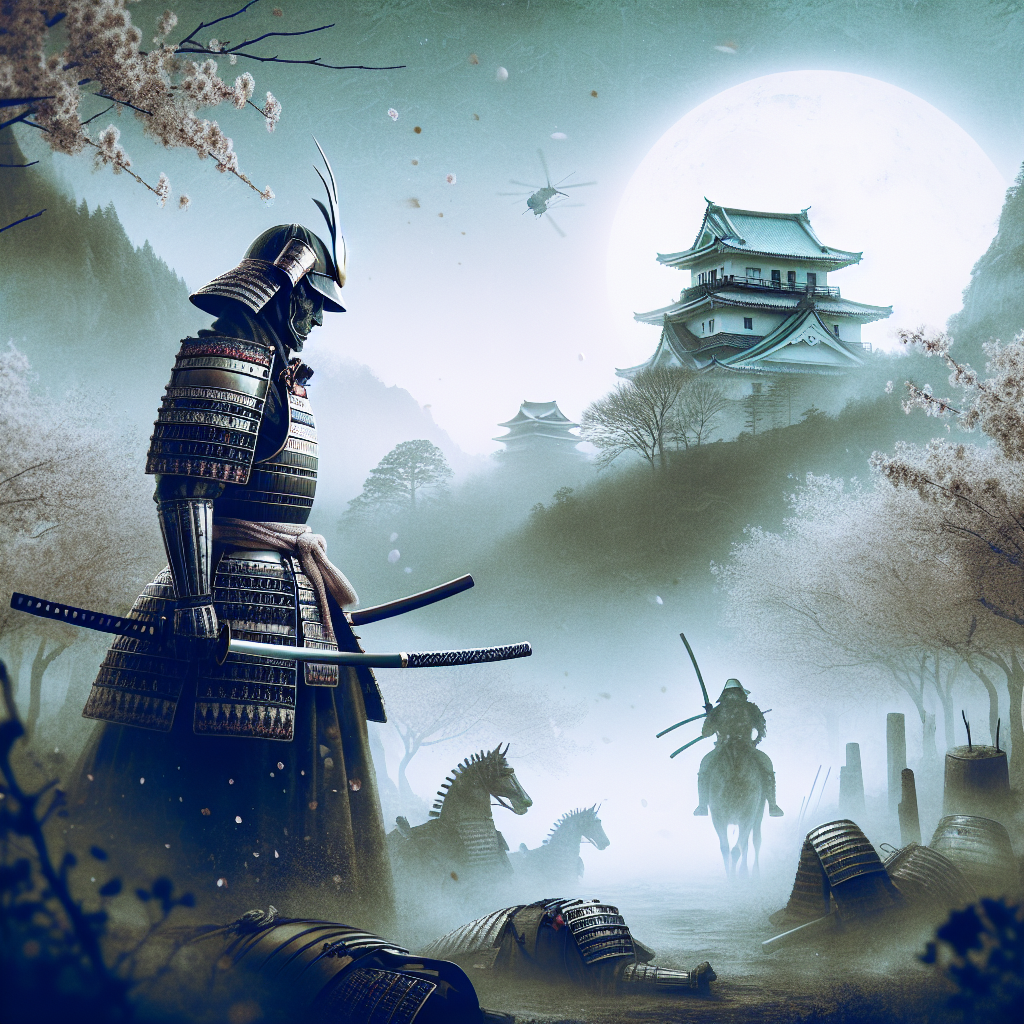
Every corner of Tsushima echoes with memories of the samurai, informed by environmental storytelling and artistic portrayal. From the rhythmic sway of lush bamboo paths to crumbling shrines hidden in forests, players are reminded of the island’s resolute spirit against invaders. Monuments, battlefields, and fortresses narrate tales of struggles and triumphs, urging players to remember the island’s multifaceted heritage.
Camps, farmsteads, and castles scattered across Tsushima act as reminders of resilience, urging players to liberate the island from foreign rule. The decayed ruins underscore the tension and history, silently urging players to rebuild and restore harmony.
Conclusion
The open world of “Ghost of Tsushima” doesn’t merely set the stage for combat; it elevates storytelling through a meaningful synthesis of design, narrative, and cultural heritage. The island of Tsushima stands as a testament to the craftsmanship behind gaming’s evolving representation of cultural landscapes—immersing players in rich historical contexts while offering the freedom to carve their own legendary path.





Post Comment